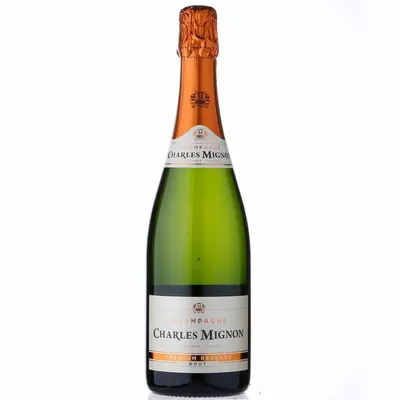
Charles Mignon - Premier Cru - Brut

Charles Mignon - Brut - Premier Cru - NV - 75cl - Onshore Cellars

Charles Mignon - Premier Cru - Brut

Vintage
Size
Precio habitual €33.60
Price on application/
  • En stock
  • Inventario en el camino
Impuesto incluido. Los gastos de envío se calculan en la pantalla de pagos.

Tasting Notes

Loading tasting notes…

Más información

Provenance
Type
Country
Appellation
Producer
Style
Brut, Premier Cru
Technical
ABV
12%
Serving
8° - 10° C
Food Pairings
ShellfishLobsterCrabSushi and SashimiCitrus-Based DishesGrilled Vegetables
Key Characteristics
Light-bodiedLight intensityCitrus fruitGreen fruitFloralPersistent

La Historia de la Botella

Charles Mignon

Charles Mignon

Charles Mignon is a champagne producer based in the Champagne region of northern France. The house focuses exclusively on sparkling wine production, crafting brut champagnes that reflect the...

Charles Mignon is a champagne producer based in the Champagne region of northern France. The house focuses exclusively on sparkling wine production, crafting brut champagnes that reflect the traditional methods and standards of the appellation.

Champagne as a region is defined by its cool continental climate and chalk-rich soils, conditions that naturally favor high-acidity wines with fine bubbles and aging potential. Brut champagnes—those with minimal added sugar—represent the dominant style of the region and showcase the purity of the base wines and the winemaker's skill in blending and aging. The Premier Cru designation indicates vineyards classified below Grand Cru status but still recognized for consistent quality.

The Charles Mignon range currently available includes a Premier Cru Brut and a Premium Reserve Brut, both non-vintage releases. These wines are built from the classic champagne blend of Chardonnay, Pinot Noir, and Pinot Meunier—the trio of grapes that defines the region's house styles. The use of all three varieties allows producers to balance the freshness and minerality of Chardonnay with the depth and structure contributed by the pinot varieties.

Charles Mignon
Our collection of Champagne - Find this at Onshore Cellars your yacht wine supplier

Champagne

En 1668, se dice que Dom Pérignon descubrió cómo hacer vino espumoso; hoy en día su técnica se utiliza en todo el mundo, aunque Champagne continúa produciendo algunos...

En 1668, se dice que Dom Pérignon descubrió cómo hacer vino espumoso; hoy en día su técnica se utiliza en todo el mundo, aunque Champagne continúa produciendo algunos de los mejores. La región vinícola más septentrional de Francia, Champagne es ahora el hogar de 15.000 viticultores y 290 'casas'. Generalmente se requiere una mezcla de variedades de uva: Chardonnay blanco para añadir fruta y elegancia, y dos tintos – Pinot Noir y Pinot Meunier – para proporcionar cuerpo y estructura.

Explora Champagne
Champagne

Champagne

Champagne is a region in northeastern France, approximately 140 kilometers northeast of Paris, defined by strict geographic boundaries established under French appellation law. The region's cool continental climate...

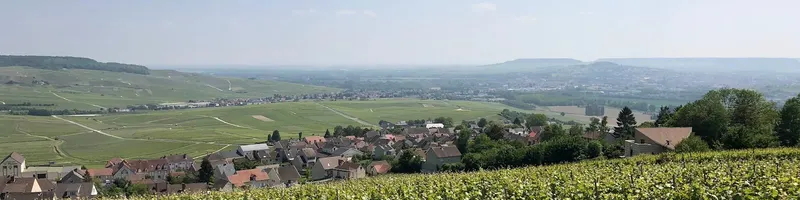
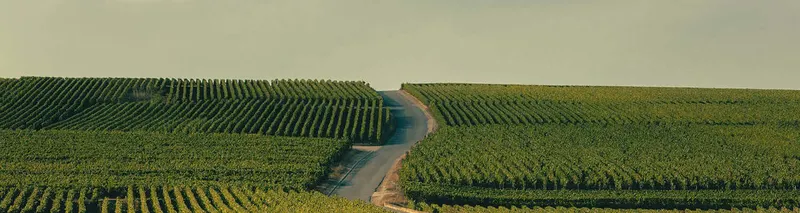
Champagne is a region in northeastern France, approximately 140 kilometers northeast of Paris, defined by strict geographic boundaries established under French appellation law. The region's cool continental climate and chalky soils create conditions uniquely suited to sparkling wine production. The designation "Champagne" is legally protected and applies only to wines produced within these delimited boundaries using prescribed methods.

The region's chalky subsoil—composed largely of Cretaceous limestone—drains rapidly and reflects heat, helping to ripen grapes despite the cool climate. Three grape varieties dominate: Chardonnay, Pinot Noir, and Pinot Meunier, often blended together though Blanc de Blancs wines use Chardonnay exclusively. Champagne's signature method involves a secondary fermentation in bottle (méthode champenoise), where yeast and sugar create carbonation and develop complex flavors over time. Extended aging on the lees further develops texture and aromas. Producers classify vineyards into Premier and Grand Cru designations based on historical quality assessments, and finished wines are labeled by dosage level—ranging from Extra Brut (bone dry) through Brut, Sec, and Demi Sec (progressively sweeter).

Champagne wines are characterized by high acidity, fine bubbles, and layered complexity. Typical flavor profiles include green apple, citrus, and chalk minerality in younger or lighter expressions, evolving toward brioche, toast, and honey notes with bottle age. The interaction between the wine's acidity, the persistent effervescence, and the autolytic characters from yeast aging creates distinctive textural finesse that distinguishes Champagne from other sparkling wines produced elsewhere.

Leer más