
- Robert Parker (RP) points
- Vinous points
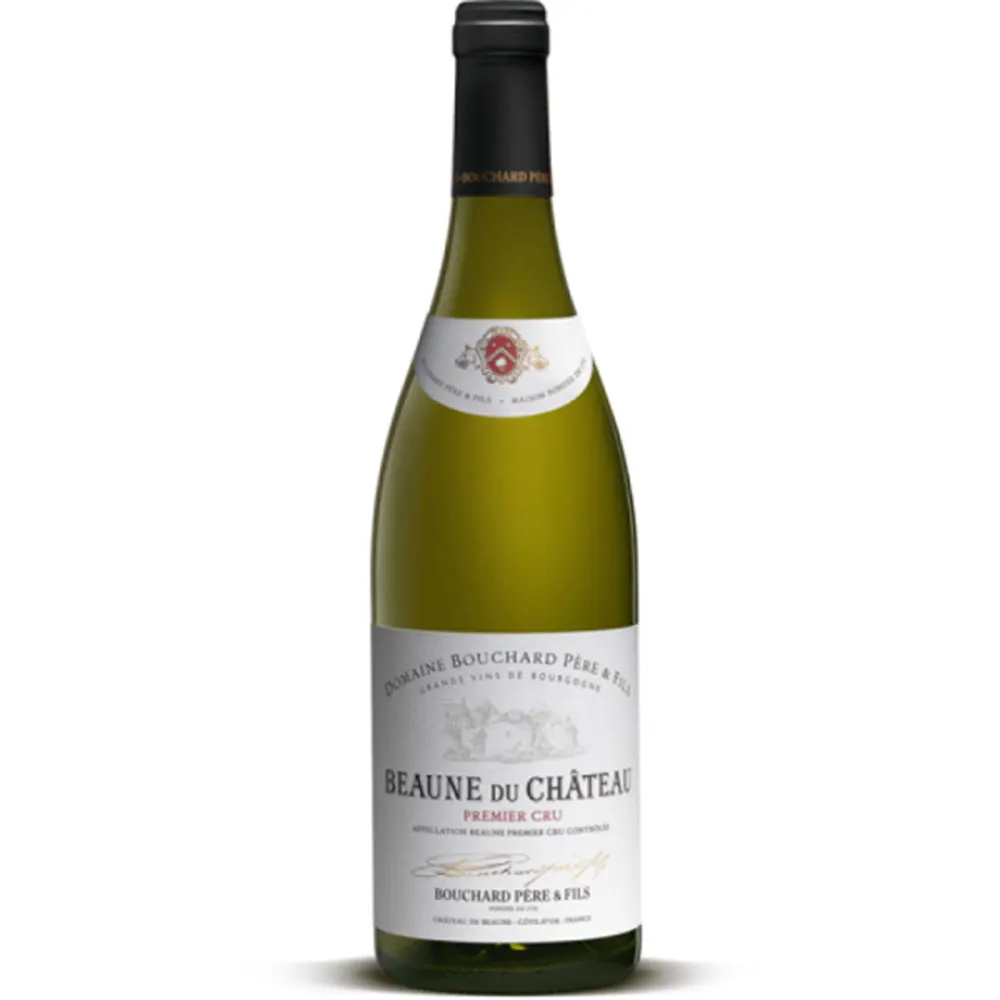
Bouchard Père & Fils - Beaune - Blanc
Vintage
2022
Size
75 cl
Price
€34.80 ex. VAT
In stockIn stock
Tasting notes
The Beaune Blanc exhibits aromas of pear, white flowers and pastry cream, followed by a medium-bodied, tangy and saline palate that will likely pick up more texture during élevage. It derives from a parcel in lieu-dit Prévolles that Weber and his team grafted over to Chardonnay, using massale selections from Corton-Charlemagne
More information
Provenance
- Type
- White
- Producer
- Bouchard Pere & Fils
- Country
- France
- Appellation
- Côte de Beaune
- Region
- Burgundy
Technical
- Vintage
- 2022
- Grapes
- Chardonnay
- ABV
- 12.5%
- Size
- 75cl
- Ageing
- Serving
- 9° - 12° C
- Drinking window
Food pairings
Key characteristics
About this wine
Bouchard Père & Fils is one of Burgundy's most esteemed négociant houses, with a legacy spanning nearly two centuries of winemaking excellence. Their Beaune blanc showcases the region's mastery of Chardonnay, one of the world's finest white wine varieties. This wine exemplifies the elegance and refinement that define white Burgundy, offering a medium-bodied expression with saline minerality and green fruit characteristics that reflect Beaune's unique terroir.
The Chardonnay grapes grown in Beaune benefit from the region's continental climate and limestone-rich soils, which impart freshness and complexity to the finished wine. Bouchard Père & Fils' winemaking approach respects these natural qualities, crafting a creamy, balanced white wine with medium acidity at 12.5% ABV, ideal for those seeking a sophisticated, versatile addition to their cellar.
This Beaune blanc pairs beautifully with shellfish, lobster, and crab, making it an exceptional choice for coastal dining and fine cuisine. It also complements poultry, sushi, mushrooms, goat cheese, and citrus-based dishes, offering remarkable food-pairing versatility for your villa, yacht, or fine dining occasions.
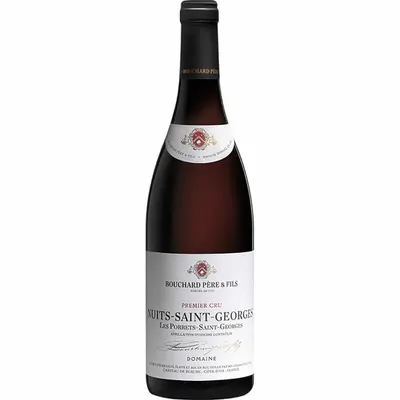
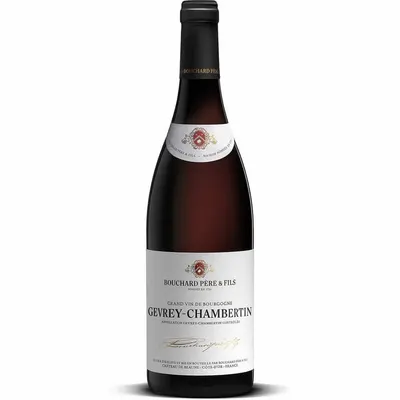
More from Bouchard Pere & Fils
View all
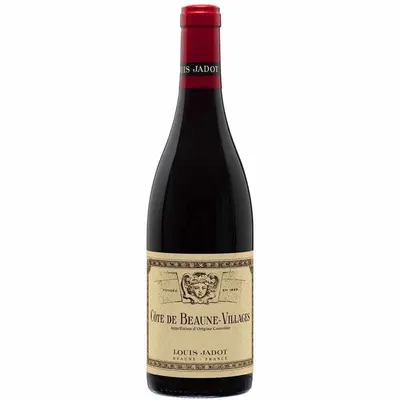
More from Côte de Beaune
View all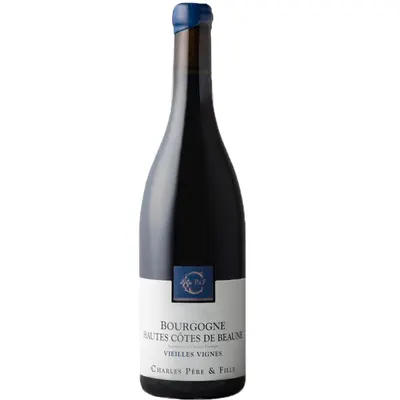
- Kosher
Behind the bottle

Producer
Bouchard Pere & Fils
Founded in 1731 in Beaune by Michel Bouchard, Bouchard Père & Fils, is one of the oldest wine estates in Burgundy, perpetuating tradition for nearly 3 centuries and 9 generations. In 1775, Joseph Bouchard acquired his first…
Explore Bouchard Pere & Fils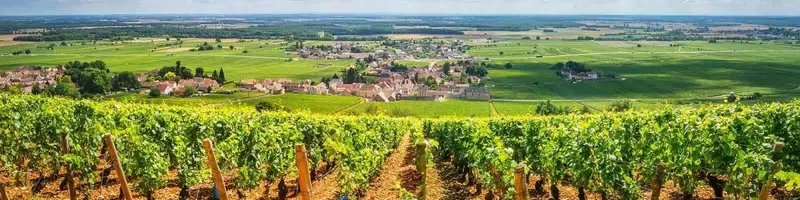
Region
Burgundy
The French Wine region of Burgundy (aka “Bourgogne”) may be small in size, but its influence is huge in the world of vino. The complexity of Burgundy can cast fear into the heart of even a seasoned wine pro, but fear not, the…
Explore Burgundy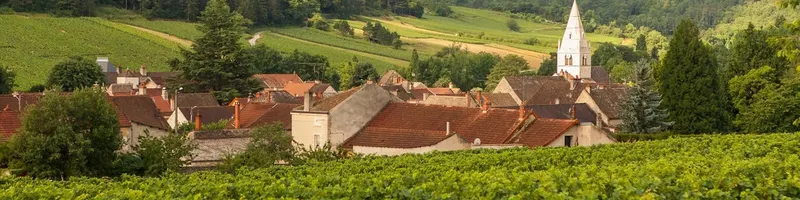
Appellation
Côte de Beaune
The Côte de Beaune is a key wine-producing district within the Burgundy wine region in eastern France, named after the town of Beaune, which serves as the heart of winemaking activity in the area. It is one of the two subregions…
Explore Côte de Beaune