Penfolds - Bin 407 - Cabernet Sauvignon

93 RP Points
94 RP Points
Penfolds - Bin 407 - Cabernet Sauvignon - 2019 - 75cl - Onshore Cellars

Penfolds - Bin 407 - Cabernet Sauvignon

Vintage
Size
Regular price €135.00
Price on application/
  • In stock
  • Inventory on the way
Tax included. Shipping calculated at checkout.

Tasting Notes

Loading tasting notes…

Loading tasting notes…

Loading tasting notes…

More information

Provenance
Type
Red
Country
Appellation
Producer
Technical
ABV
14.5%
Serving
16° - 18° C
Drinking
2025 - 2043
Food Pairings
GruyereLambMushroomsChocolateDuckTofu and Plant-BasedCheese PlateGrilled VegetablesGrilled Meats
Key Characteristics
["High alcohol""Warming""Full-bodied""Elegant""Structured""Medium acidity"]

Behind the bottle

Our collection of South Australia - Find this at Onshore Cellars your yacht wine supplier

South Australia

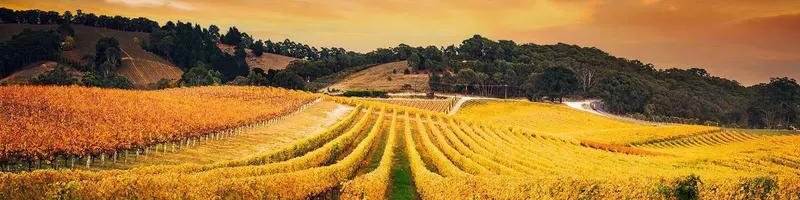
South Australia produces approximately half of the nation's wine and encompasses several of the country's most significant wine regions. Located in the southern portion of the continent, the...

South Australia produces approximately half of the nation's wine and encompasses several of the country's most significant wine regions. Located in the southern portion of the continent, the state stretches from the cooler maritime-influenced zones near Adelaide to the warmer continental areas inland. The wine industry here dates back to the 1840s with German and British settlers establishing many of the foundational vineyards that continue to operate today.

The state's diverse geography creates distinct microclimates across its major wine regions. The Barossa Valley and McLaren Vale experience warm, Mediterranean-style conditions ideal for full-bodied reds, while the Adelaide Hills and Eden Valley benefit from higher elevations that provide cooler temperatures suitable for elegant whites and refined reds. Clare Valley is renowned for its limestone-rich soils and diurnal temperature variation, while Coonawarra's famous terra rossa soil over limestone creates unique conditions for premium Cabernet Sauvignon.

Shiraz dominates red wine production throughout South Australia, expressing different characters depending on the specific region and vineyard site. The state also produces notable Grenache, Cabernet Sauvignon, and GSM blends, particularly in warmer areas like Barossa and McLaren Vale. White varieties include distinguished Riesling from Clare Valley and Eden Valley, along with Chardonnay from cooler sites in the Adelaide Hills. The combination of old vine material, diverse terroir, and both traditional and modern winemaking approaches allows South Australia to produce wines ranging from powerful, age-worthy reds to crisp, mineral-driven whites.

Explore South Australia
Coonawarra

Coonawarra

Coonawarra is a wine region located in South Australia's Limestone Coast area, in the state's southeast. The appellation sits inland from the Southern Ocean, with the town of...

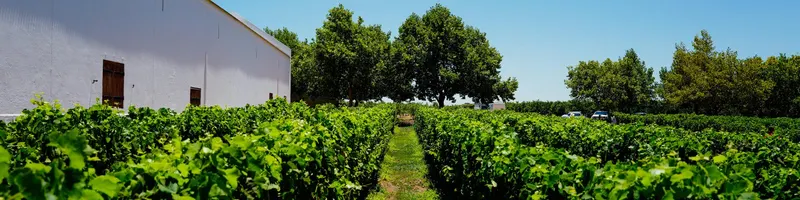
Coonawarra is a wine region located in South Australia's Limestone Coast area, in the state's southeast. The appellation sits inland from the Southern Ocean, with the town of Coonawarra serving as its center. The region has been producing wine since the 1890s, establishing itself as one of Australia's premier cool-climate zones.

The region's most distinctive feature is its terra rossa soil—a deep, red volcanic earth formed over a limestone base—which provides excellent drainage and mineral complexity to wines. Coonawarra's maritime-influenced climate, moderated by proximity to the ocean, creates conditions suitable for producing age-worthy red wines. Cabernet Sauvignon is the appellation's signature variety and is permitted alongside other Bordeaux grapes including Petit Verdot. The combination of cool nights and moderate days allows for extended ripening, developing structure and phenolic maturity in wines.

Coonawarra reds, particularly Cabernet Sauvignon, are characteristically structured with firm tannins, dark berry fruit, and often show herbaceous or leafy notes alongside cassis and plum. The terra rossa soils contribute minerality and a subtle earthiness. These wines typically develop complexity with bottle age, with traditional examples building secondary flavors of leather and tobacco leaf. The region's cool climate produces wines with higher acidity and lower alcohol levels compared to warmer Australian regions, making them well-suited to medium to long-term cellaring.

Read more