
- Robert Parker (RP) points 90
- Vinous points
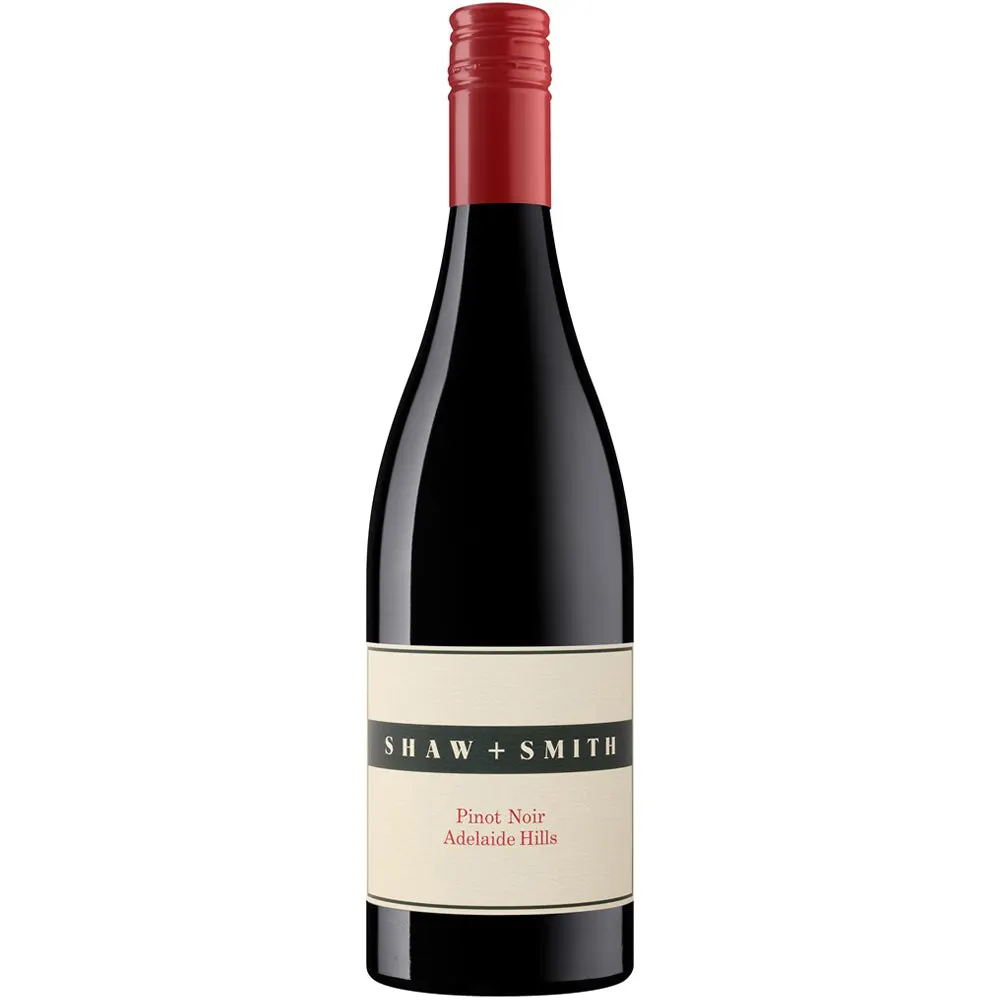
Shaw + Smith - Pinot Noir
Vintage
2022
Size
75 cl
Price
€36.00 ex. VAT
In stockIn stock
Tasting notes
The 2022 Pinot Noir is incredibly aromatic on the nose, with sweet strawberry and cherry, layers of red apple and spice and lashings of abundant fruit. The wine is spicy and luscious, with loads of flavor up front that gently spools out through the finish, which is spicy, with some garden mint, clove and licorice nuances laced throughout. 13.5% alcohol sealed under screw cap.
More information
Provenance
- Type
- Red
- Producer
- Shaw + Smith
- Country
- Australia
- Appellation
- Adelaide Hills
- Region
- South Australia
Technical
- Vintage
- 2022
- Grapes
- ABV
- Size
- 75cl
- Ageing
- Serving
- 14° - 16° C
- Drinking window
- 2023 - 2032
Food pairings
Key characteristics
About this wine
Shaw + Smith is renowned for crafting elegant, cool-climate wines from South Australia's prestigious Adelaide Hills region. This Pinot Noir exemplifies the producer's commitment to terroir-driven winemaking, capturing the essence of one of Australia's finest red wine appellations. The Adelaide Hills' elevated altitude and maritime influences create ideal conditions for Pinot Noir, producing wines of pronounced intensity balanced with finesse.
This red wine showcases the complexity characteristic of quality Adelaide Hills Pinot Noir, with layers of red fruit, spice, and subtle clove and liquorice notes. The wine's elegant structure and pronounced intensity make it remarkably versatile at the table. Pair it with oily fish, duck, lamb, or pork for classic combinations, or explore its affinity with earthier dishes featuring mushrooms, truffles, and root vegetables. The wine's acidity and silky tannins also complement cheese and charcuterie boards, including brie and goat cheese selections.
More from Shaw + Smith
View all

More from Adelaide Hills
View all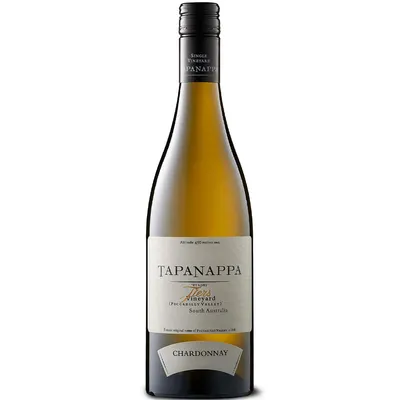
2022 - Tapanappa - Tiers Vineyard Chardonnay - Chardonnay
- 2022
- 75cl
- Chardonnay
Behind the bottle


Region
South Australia
South Australia produces approximately half of the nation's wine and encompasses several of the country's most significant wine regions. Located in the southern portion of the continent, the state stretches from the cooler…
Explore South Australia
Appellation
Adelaide Hills
Adelaide Hills is a cool-climate wine region located in South Australia, situated in the Mount Lofty Ranges east of Adelaide. The region was formally established as a wine appellation in 1981 and has since developed a reputation…
Explore Adelaide Hills