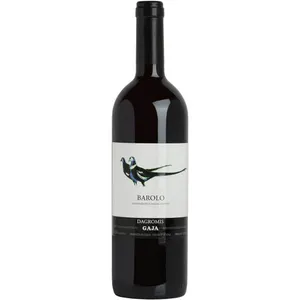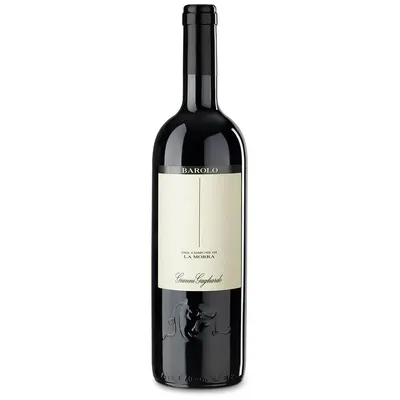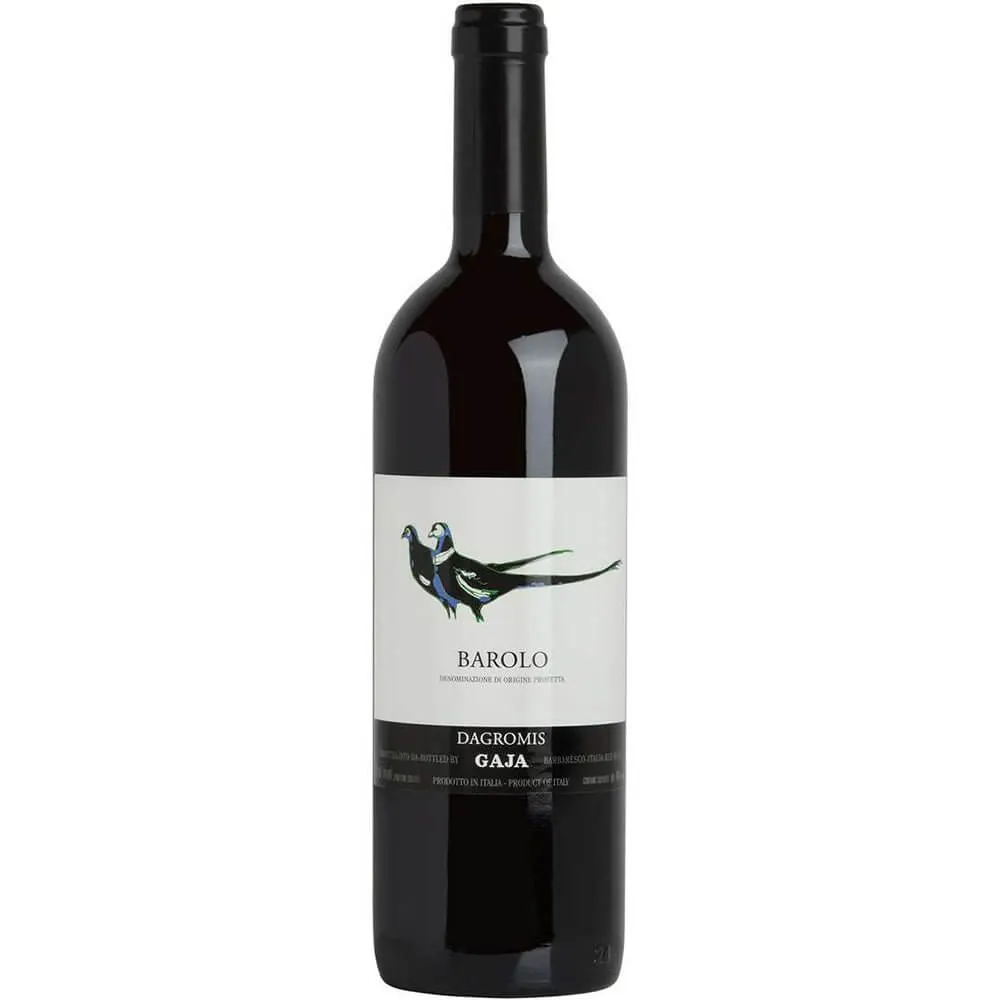
Gaja - Dagromis - Barolo

Gaja - Dagromis - Barolo - 2018 - 75cl - Onshore Cellars

Gaja - Dagromis - Barolo

Vintage
Size
Regular price 1.096,00 kr
Price on application/
  • In stock
  • Inventory on the way
Tax included. Shipping calculated at checkout.

Tasting Notes

Loading tasting notes…

Loading tasting notes…

Loading tasting notes…

Loading tasting notes…

Loading tasting notes…

More information

Provenance
Type
Red
Country
Appellation
Producer
Technical
Grapes
ABV
14.5%
Serving
16° - 18° C
Food Pairings
BeefGame BirdsLambMushroomsPasta DishesTomato-Based Dishes
Key Characteristics
["High alcohol""Warming""Full-bodied""Red fruit""Dried fruit""Spicy"]

Behind the bottle

Gaja

Gaja

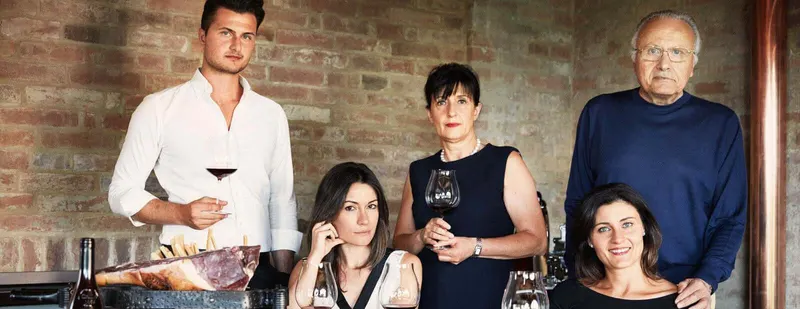
The Gaja family settled in Piedmont in the mid-seventeenth century. Five generations of Gaja’s have been producing wines in the Langhe hills since 1989, the year Giovanni...

The Gaja family settled in Piedmont in the mid-seventeenth century. Five generations of Gaja’s have been producing wines in the Langhe hills since 1989, the year Giovanni Gaja, a local grape grower, founded the Gaja winery in Barbaresco.

Following years of dedication to uncompromising quality, the wines achieved a leadership position in Italy and the family was able to purchase vineyard holdings acquiring Sorì Tildìn, Costa Russi, Sorì San Lorenzo and Darmagi.

Angelo Gaja took over the family business in 1961 and combined his respect for the traditions of the Langhe with bold innovations in the vineyards and cellars which changed the way that wines were produced all over Italy.

Angelo lives in Barbaresco with his wife Lucia and their three children, Gaia, Rossana and Giovanni who represent the fifth generation of the family and are all involved in the business.

Today the winery owns 96 ha of vineyards in Barbaresco and Barolo. In 1994, the Gajas acquired their first estate in Tuscany, Pieve Santa Restituta in Montalcino. In 1996 the family purchased their second Tuscan property, Ca’ Marcanda in Bogheri.

Gaja
Our collection of Piedmont - Find this at Onshore Cellars your yacht wine supplier

Piedmont

Piemonte (Piedmont) occupies most of northwestern Italy, bordering Switzerland in the north and France in the west and almost reaching the Mediterranean coast. Its capital and largest...

Piemonte (Piedmont) occupies most of northwestern Italy, bordering Switzerland in the north and France in the west and almost reaching the Mediterranean coast. Its capital and largest city is Turin (Torino).

In the wine world, Piemonte is best known for the twin titans of Barolo and Barbaresco, along with other popular red wines made from Barbera and Dolcetto, the white Gavi, and sparkling Asti.

It has more DOCGs (17) and DOCs (42) than any other region (see maps: Asti area, Langhe, Monferrato, and northern), but no IGPs. In 2016, Piemonte produced 2.5 million hl (28.3 million cases) of wine, the majority of it (55%) red and 83% at the DOP level. The region’s primary grape varieties are Barbera (31%), Moscato (22%), Dolcetto (13%), and Nebbiolo (10%).

Explore Piedmont
Barolo DOCG - Onshore Cellars

Barolo DOCG

Barolo DOCG is located in the Piedmont region of northwestern Italy, encompassing eleven communes in the provinces of Cuneo and Alba. The appellation was granted DOCG status in...

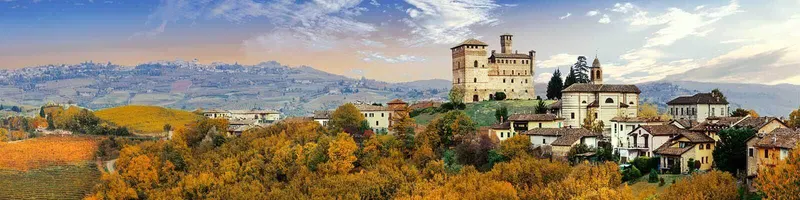
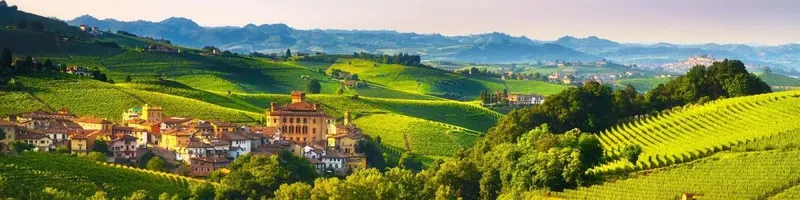
Barolo DOCG is located in the Piedmont region of northwestern Italy, encompassing eleven communes in the provinces of Cuneo and Alba. The appellation was granted DOCG status in 1980, recognizing it as one of Italy's most important wine regions. The zone covers approximately 1,700 hectares of vineyards situated in the Langhe hills, with the villages of Barolo, La Morra, Castiglione Falletto, Serralunga d'Alba, and Monforte d'Alba forming the historic heart of the denomination.

The region's continental climate features hot summers and cold winters, with significant diurnal temperature variation that helps preserve acidity in the grapes. The soils vary between two main types: calcareous marl in the western communes like La Morra and Barolo, which tend to produce more approachable wines, and sandier, iron-rich soils in the eastern areas such as Serralunga d'Alba, yielding more structured expressions. Barolo must be made entirely from Nebbiolo grapes and requires a minimum aging period of 38 months, with at least 18 months in wood.

Barolo wines are characterized by their pale brick-red color, high tannins, and elevated acidity. The wines typically display complex aromatics of roses, tar, dried herbs, and red fruits, developing tertiary notes of leather, tobacco, and earth with age. The tannic structure and natural acidity allow these wines to age for decades, during which they evolve from powerful, austere expressions in youth to more nuanced and harmonious wines with extended cellaring.

Read more