
- Robert Parker (RP) points
- Vinous points
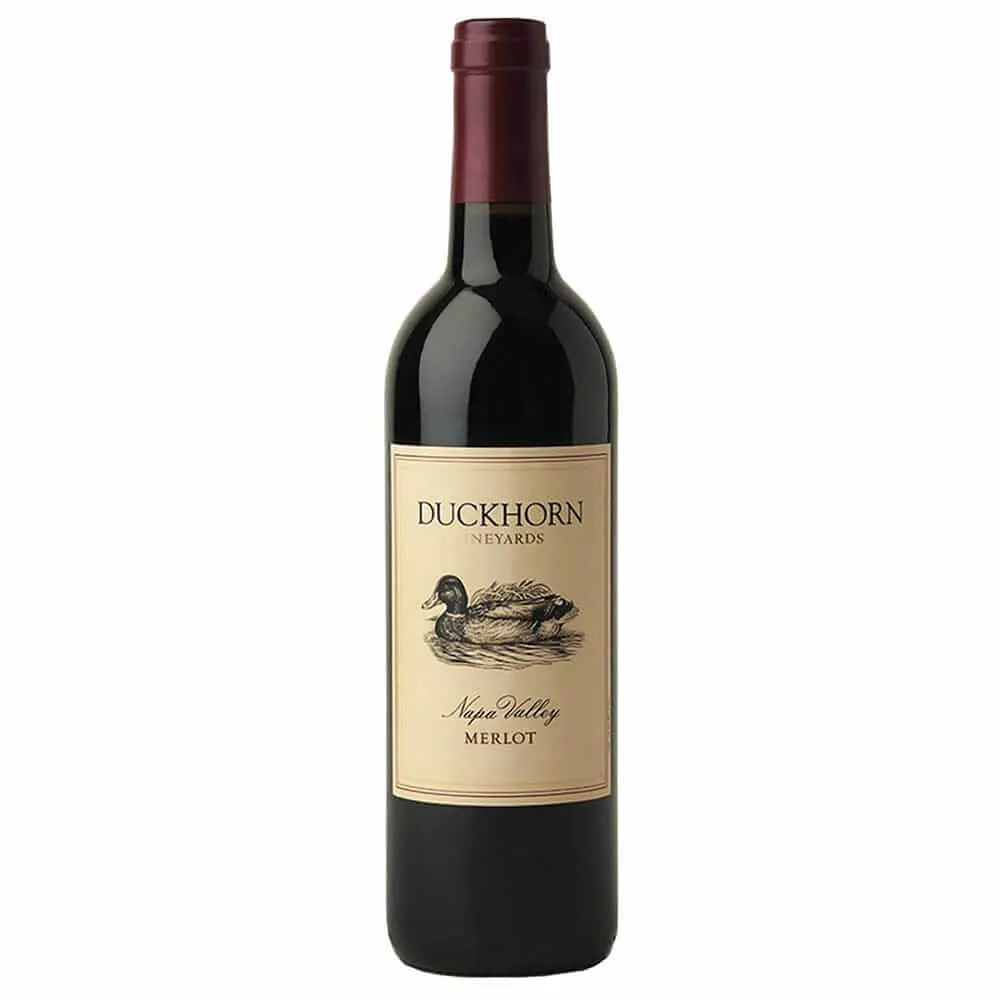
Duckhorn - Merlot
Vintage
2022
Size
75 cl
Price
€64.80 ex. VAT
In stockIn stock
Tasting notes
This is a stunning example of the Duckhorn style, showcasing the rich, soft fruit character of the varietal alongside subtle spiced hints from the 16 months of ageing in a mixture of new and used oak barrels. Duckhorn sources the fruit from several different vineyard lots in Napa to create a wonderfully complex composition which provides a detailed study of the region’s varied terroir. The nose offers luxurious aromas of crushed black cherries and plums along with undertones of cedar, sweet tobacco and orange peel. On the palate these evolve into hints of pencil lead, baking spice, raspberries and plum jam which linger on the tongue. The firm tannins are complemented by a smooth, rounded mouthfeel and gentle freshness, promising great longevity and potential to evolve beautifully in the bottle.
More information
Provenance
- Type
- Red
- Producer
- Duckhorn Vineyards
- Country
- USA
- Appellation
- Napa Valley
- Region
- California
Technical
- Vintage
- 2022
- Grapes
- Merlot
- ABV
- 14.5%
- Size
- 75cl
- Ageing
- Serving
- 16° - 18° C
- Drinking window
Food pairings
Key characteristics
About this wine
Duckhorn Merlot
Experience the rich and complex flavours of Duckhorn Merlot, a wine that has been crafted with passion and expertise by one of the most respected producers in Napa Valley. This wine is made from a blend of Merlot grapes sourced from some of the finest vineyards in the region, resulting in a wine that is both elegant and powerful.
The taste profile of Duckhorn Merlot is characterised by its deep ruby colour and aromas of black cherry, plum, and vanilla. On the palate, the wine is full-bodied with flavours of dark fruit, chocolate, and spice. The tannins are firm yet silky, providing a long and satisfying finish.
Duckhorn Vineyards has a rich history of producing exceptional wines, dating back to 1976 when the winery was founded by Dan and Margaret Duckhorn. Today, the winery is still family-owned and operated, and is known for its commitment to quality and sustainability.
This wine is perfect for pairing with a variety of dishes, including grilled meats, hearty stews, and rich pasta dishes. It is also a great choice for enjoying on its own, whether you're relaxing at home or entertaining guests.
Experience the best of Napa Valley with Duckhorn Merlot, a wine that is sure to impress even the most discerning wine connoisseur.
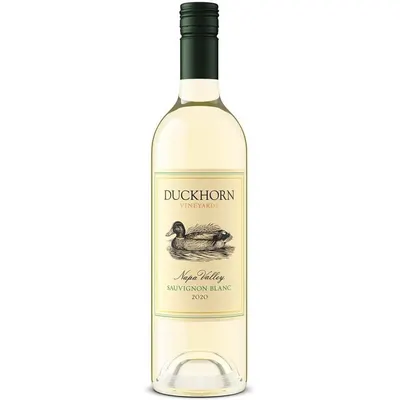
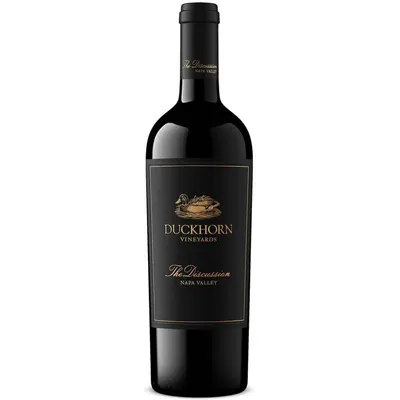
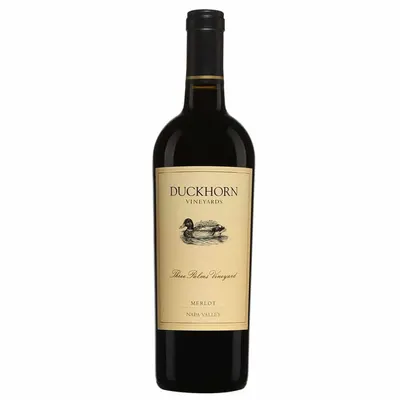
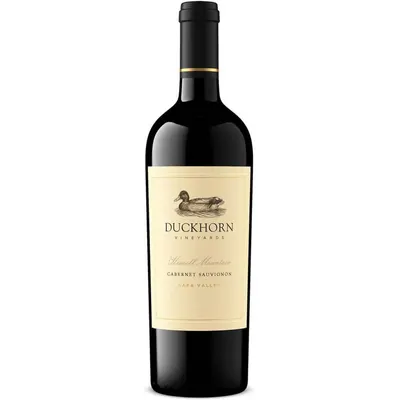
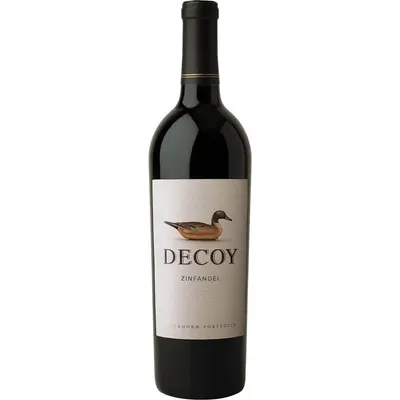
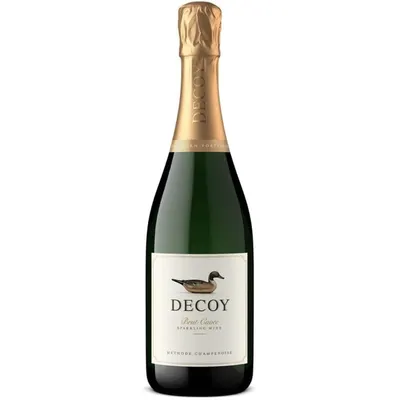
More from Duckhorn Vineyards
View all
More from Napa Valley
View all
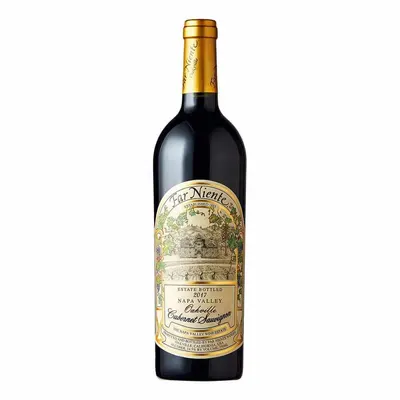
2021 - Far Niente Winery - Cabernet Sauvignon - Napa Valley
- 2021
- 75cl
- Cabernet Sauvignon
2021 - The Prisoner Wine Co. - The Prisoner - Cabernet Sauvignon
- 2021
- 75cl
- Cabernet Sauvignon

2019 - Stag's Leap - Hands of Time - Cabernet Sauvignon Blend - Napa Valley
- 2019
- 75cl
- Cabernet Sauvignon
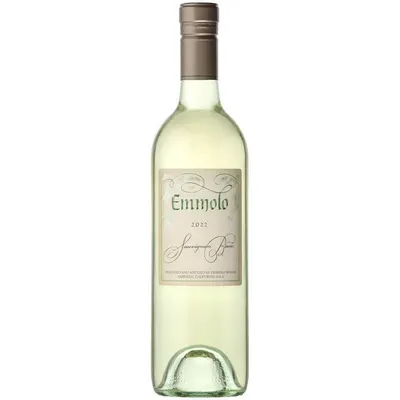
2022 - Caymus Vineyards - Emmolo - Sauvignon Blanc - Napa Valley
- 2022
- 75cl
- Sauvignon Blanc
Behind the bottle

Producer
Duckhorn Vineyards
Duckhorn Vineyards became one of the first 40 Napa Valley wineries when Dan and Margaret Duckhorn bought the estate in 1976. From its inaugural vintage of 800 cases of Cabernet Sauvignon and 800 cases of Merlot in 1978 to its…
Explore Duckhorn Vineyards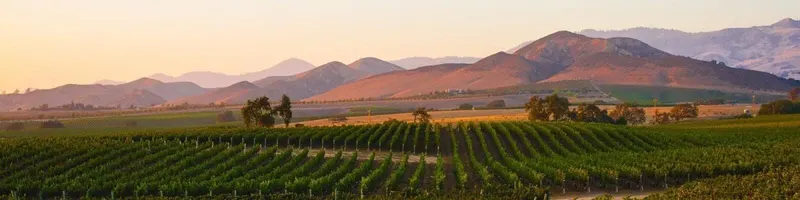
Region
California
California spans nearly 800 miles along the Pacific Coast and ranks as the fourth-largest wine producing region globally by volume. The state's diverse geography encompasses coastal valleys, inland mountains, and desert areas…
Explore California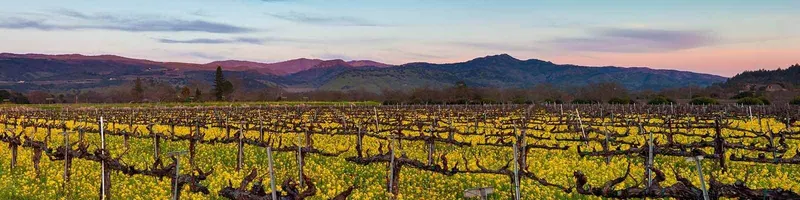
Appellation
Napa Valley
Napa Valley is California's most famous wine region, located north of San Francisco Bay between the Mayacamas and Vaca mountain ranges. The appellation stretches approximately 30 miles from San Pablo Bay in the south to…
Explore Napa Valley