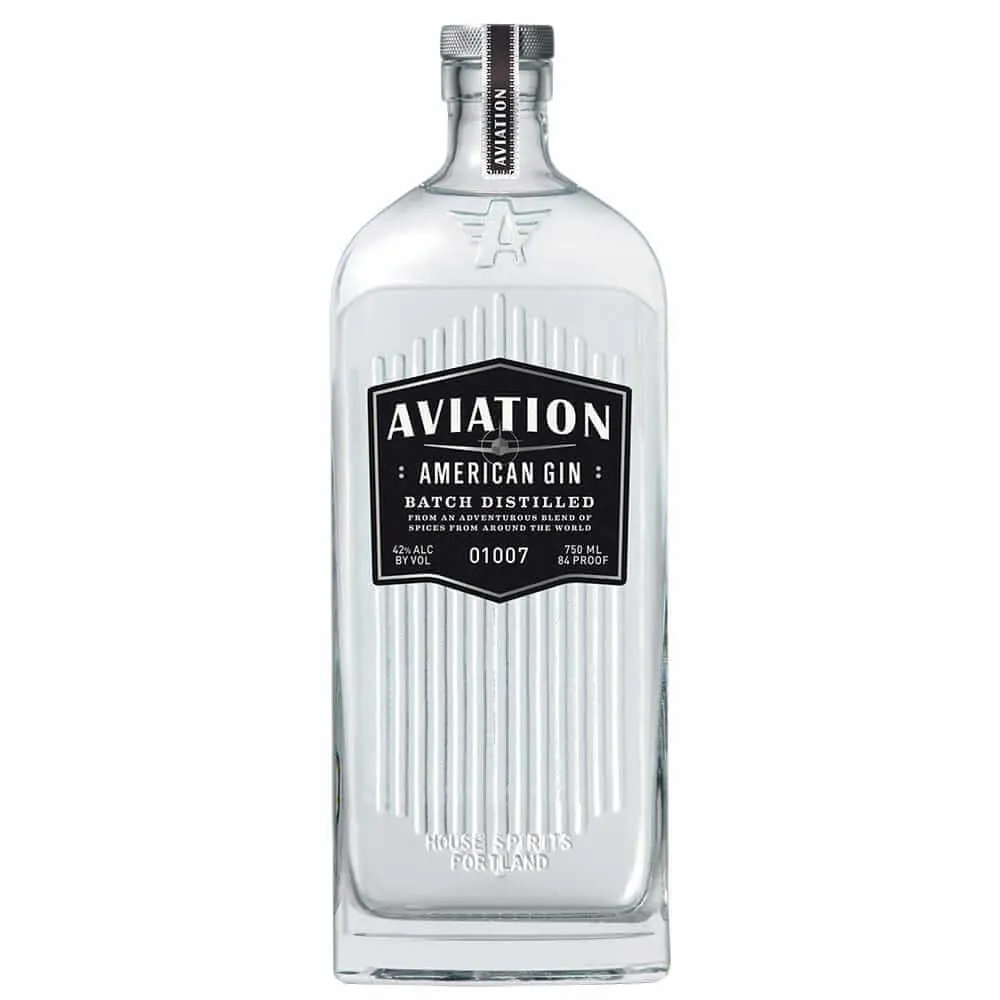
Aviation - American Gin

Aviation - American Gin - 70cl - Onshore Cellars

Aviation - American Gin

Size
Regular price 401,00 kr
Price on application/
  • 3 in stock
  • Inventory on the way
Tax included. Shipping calculated at checkout.

Tasting Notes

Loading tasting notes…

More information

Provenance
Type
Gin
Country
Technical
ABV
42%
Serving
10° - 12° C

Featured Cocktail

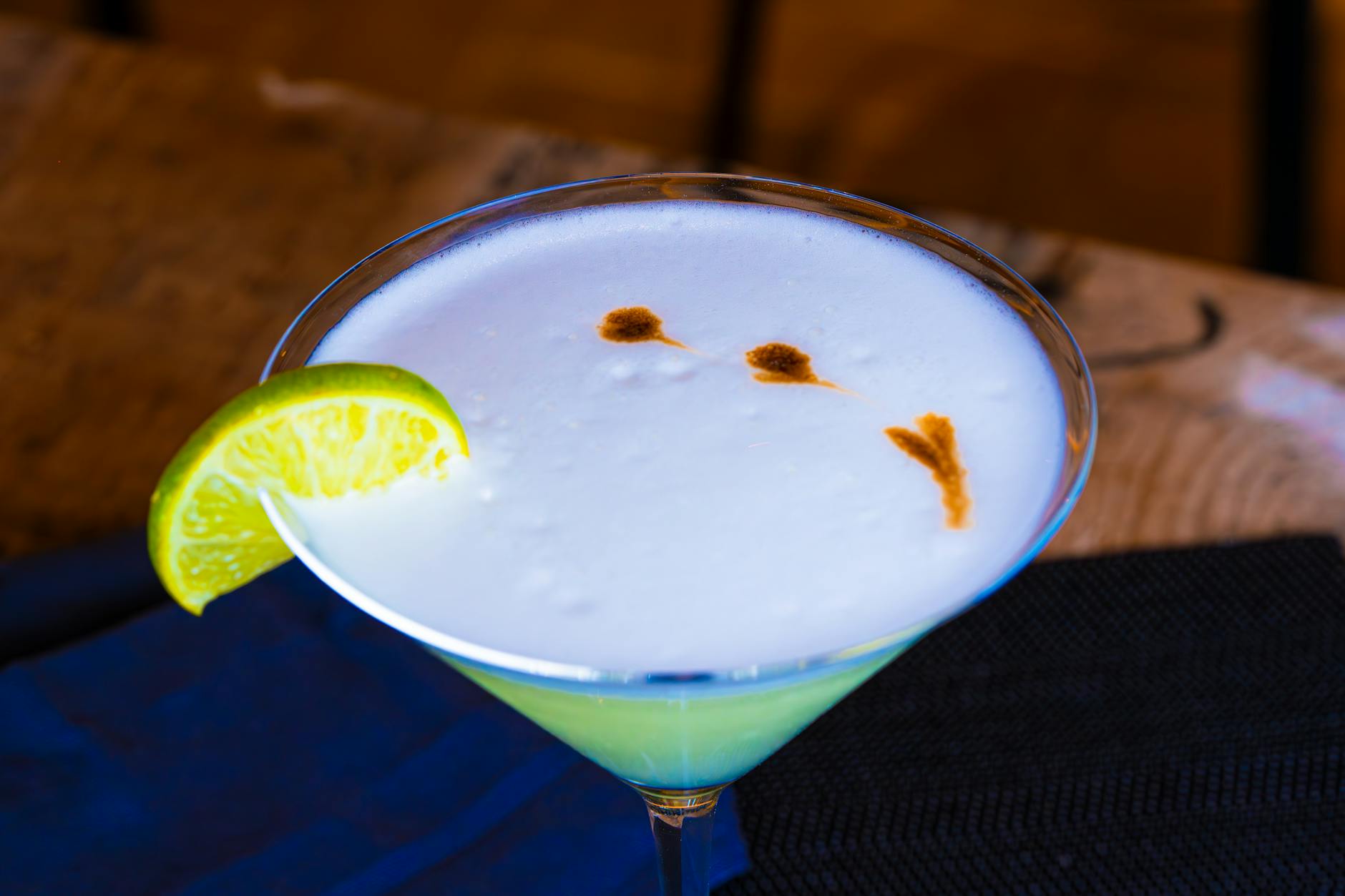
Blue Skies Aviation

Oregon

Explore

Oregon's wine industry centers primarily in the Willamette Valley, located between the Cascade Range and the Coast Range in the northwestern part of the state. The region gained international recognition beginning in the 1960s when pioneering winemakers demonstrated...

Oregon's wine industry centers primarily in the Willamette Valley, located between the Cascade Range and the Coast Range in the northwestern part of the state. The region gained international recognition beginning in the 1960s when pioneering winemakers demonstrated that Oregon's climate and soils could produce wines of exceptional quality, particularly Pinot Noir. The state now encompasses several American Viticultural Areas, with the Willamette Valley being the most significant and widely planted.

The Willamette Valley benefits from a cool, maritime-influenced climate with wet winters and dry summers. The region's diverse soils include volcanic Jory and sedimentary Willakenzie formations, along with marine sedimentary deposits that provide excellent drainage and mineral complexity. Within the broader Willamette Valley AVA, sub-appellations like Dundee Hills, Yamhill-Carlton, and Eola-Amity Hills each offer distinct microclimates and soil compositions that influence wine character.

Pinot Noir dominates Oregon's plantings and reputation, thriving in the state's cool climate and producing wines with bright acidity, elegant structure, and complex red fruit flavors. Chardonnay represents the primary white variety, often crafted in a restrained style that emphasizes minerality and freshness. Oregon winemakers generally pursue a philosophy of minimal intervention, allowing the region's terroir to express itself through wines that emphasize finesse and food compatibility rather than power or extraction.

Explore