
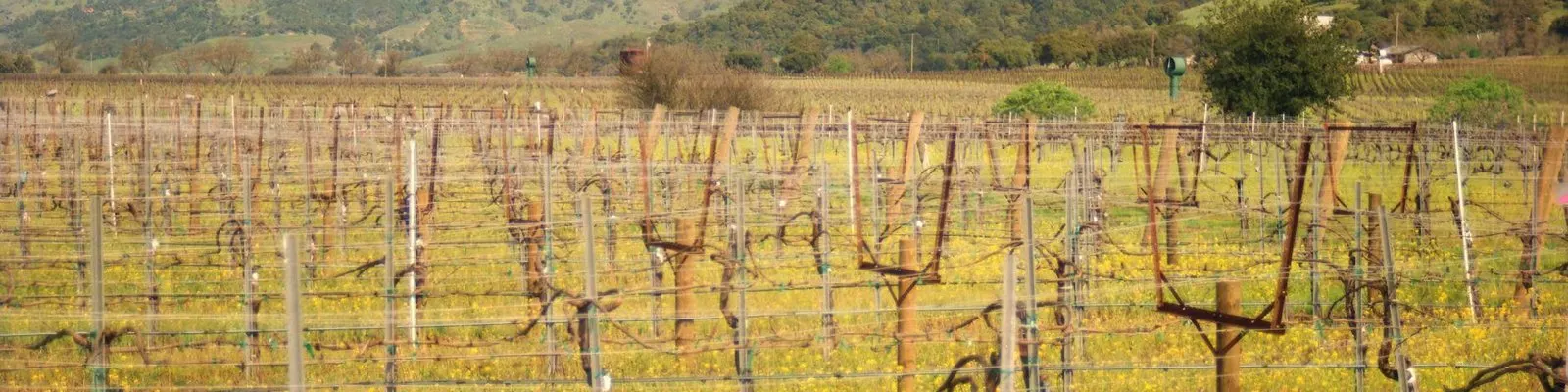
Marsanne
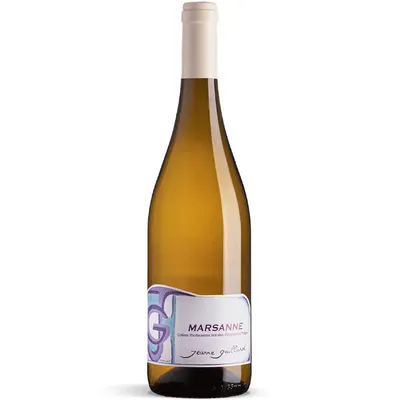
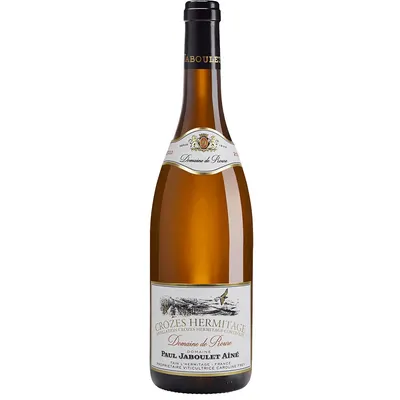
2022 - Maison Paul Jaboulet-Aîné - Domaine Mule Blanche - Crozes-Hermitage Blanc
- 2022
- 75cl
- Marsanne, Roussanne
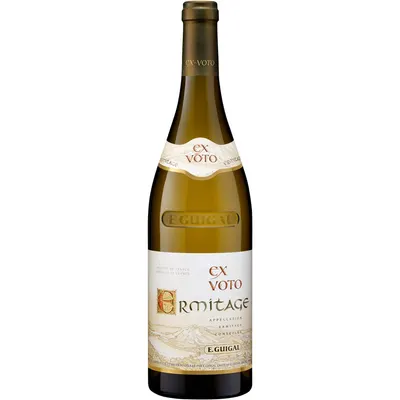
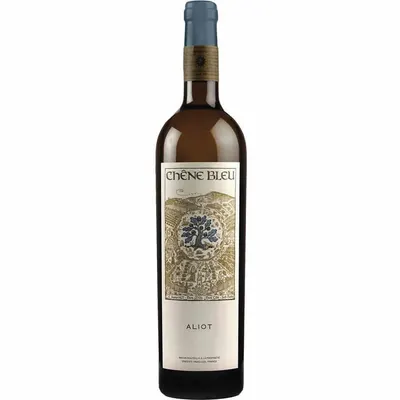
- Biodynamique
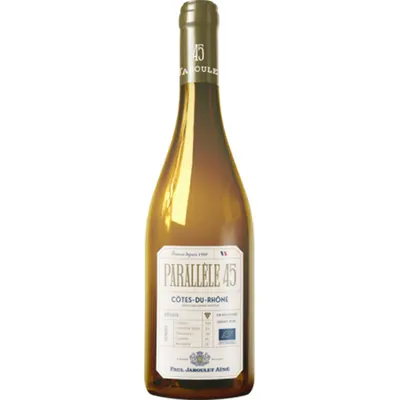
2024 - Maison Paul Jaboulet-Aîné - Parallèle 45 - Côte du Rhône Blanc
- 2024
- 75cl
- Grenache Blanc, Marsanne, Viognier
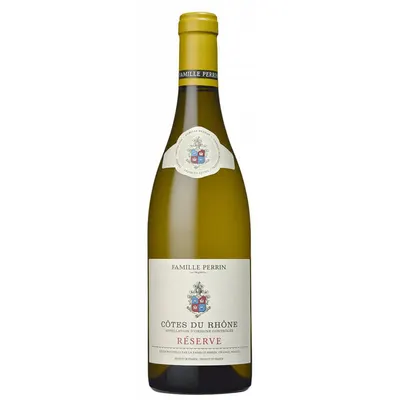
2025 - Famille Perrin - Côtes du Rhône - Reserve - Blanc
- 2025
- 75cl
- Grenache Blanc, Marsanne, Roussanne
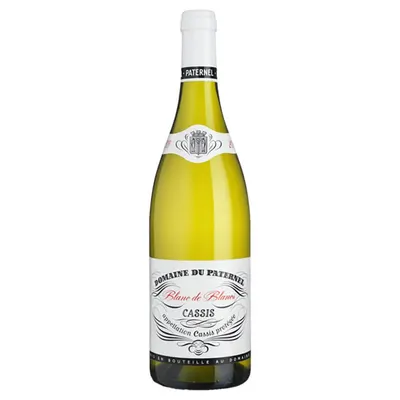
2025 - Domaine du Paternel - Blanc de Blancs - Cassis
- 2025
- 75cl
- Bourboulenc, Cinsault, Clairette
Vus récemment
Marsanne
Marsanne originates from the Northern Rhône Valley in France, where it has been cultivated since at least the 15th century. The grape takes its name from the town of Marsanne in the Drôme department. While it reaches its finest expression in the granite soils of Hermitage and the lighter soils of Crozes-Hermitage, Marsanne has spread throughout the Rhône Valley and into Languedoc, as well as finding success in Australia's Goulburn Valley.
Marsanne produces full-bodied white wines with distinctive honeyed and nutty characteristics, often displaying notes of quince, pear, and almonds. The grape tends to be low in acidity, which contributes to its rich, weighty mouthfeel. Young Marsanne wines can appear somewhat neutral, but they develop complexity with age, gaining mineral depth and honeyed richness. The variety is frequently blended with Roussanne, which adds aromatic lift and balancing acidity to Marsanne's substantial structure.
In the Northern Rhône, Marsanne forms the backbone of white Hermitage and Crozes-Hermitage, while in the Southern Rhône it appears in white Châteauneuf-du-Pape blends alongside other local varieties. The grape's full body and moderate acidity make it suitable for pairing with rich fish dishes, roasted poultry, and creamy sauces. Aged examples develop sufficient complexity to complement more robust fare including white meats and soft cheeses.
Marsanne
Marsanne originates from the Northern Rhône Valley in France, where it has been cultivated since at least the 15th century. The grape takes its name from the town of Marsanne in the Drôme department. While it reaches its finest expression in the granite soils of Hermitage and the lighter soils of Crozes-Hermitage, Marsanne has spread throughout the Rhône Valley and into Languedoc, as well as finding success in Australia's Goulburn Valley.
Marsanne produces full-bodied white wines with distinctive honeyed and nutty characteristics, often displaying notes of quince, pear, and almonds. The grape tends to be low in acidity, which contributes to its rich, weighty mouthfeel. Young Marsanne wines can appear somewhat neutral, but they develop complexity with age, gaining mineral depth and honeyed richness. The variety is frequently blended with Roussanne, which adds aromatic lift and balancing acidity to Marsanne's substantial structure.
In the Northern Rhône, Marsanne forms the backbone of white Hermitage and Crozes-Hermitage, while in the Southern Rhône it appears in white Châteauneuf-du-Pape blends alongside other local varieties. The grape's full body and moderate acidity make it suitable for pairing with rich fish dishes, roasted poultry, and creamy sauces. Aged examples develop sufficient complexity to complement more robust fare including white meats and soft cheeses.