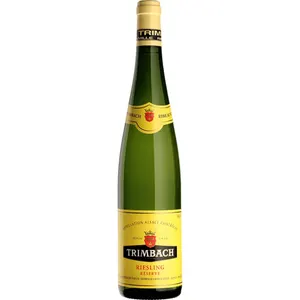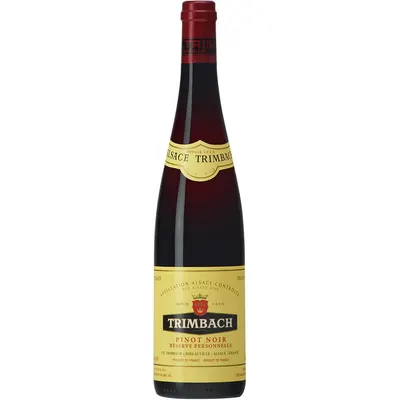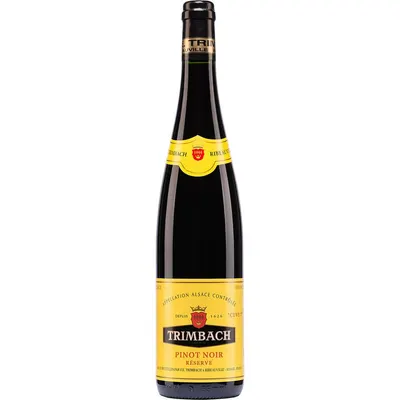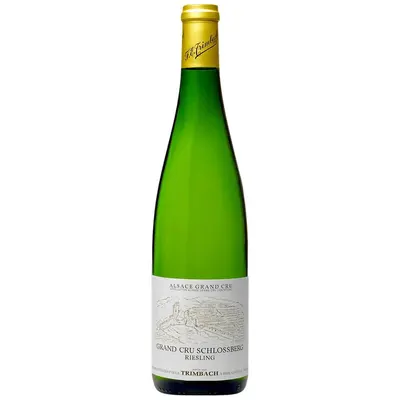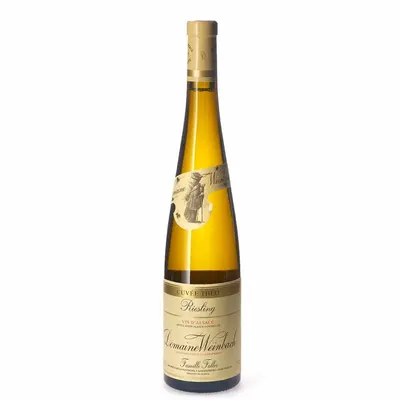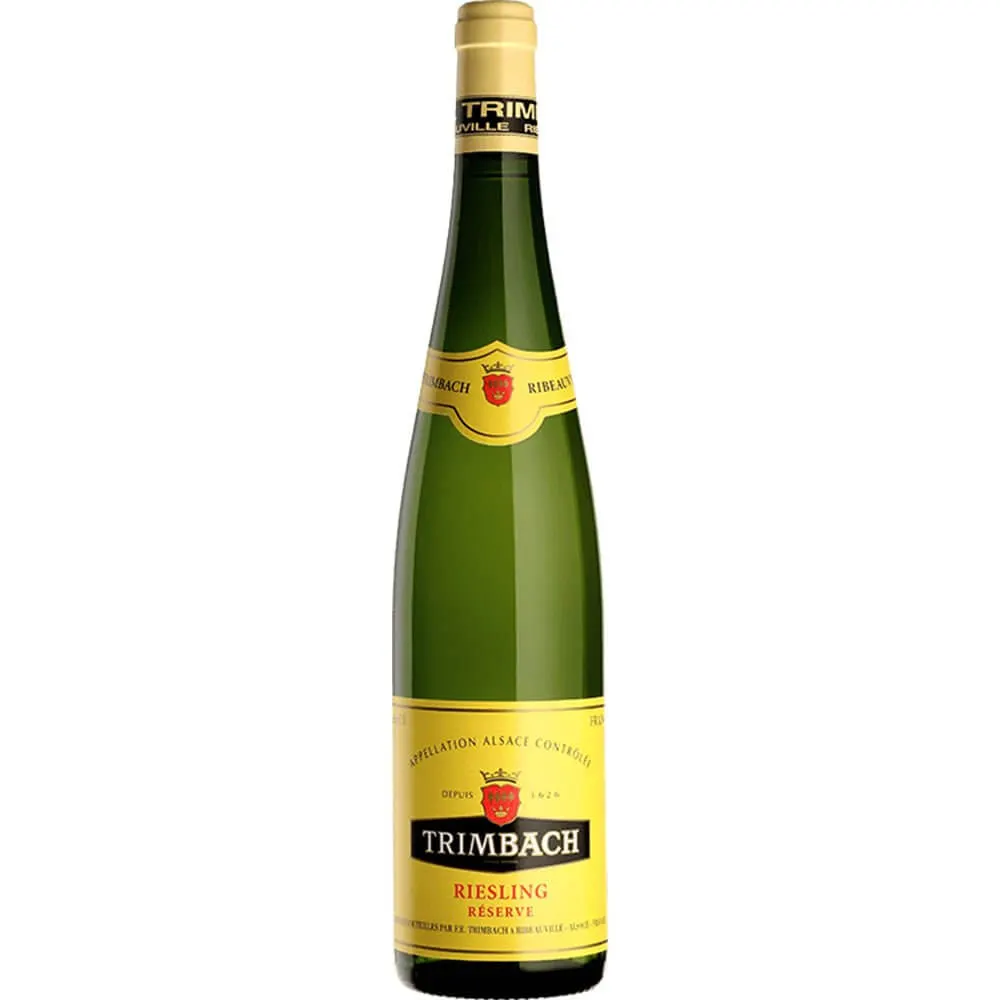
Maison Trimbach - Riesling Reserve

Maison Trimbach - Riesling Reserve - 2021 - 75cl - Onshore Cellars

Maison Trimbach - Riesling Reserve

Cosecha
Tamaño
Precio habitual 169,00 lei
Precio bajo demanda/
  • En stock
  • Inventario en el camino
Impuesto incluido. Los gastos de envío se calculan en la pantalla de pagos.

Notas de cata

Loading tasting notes…

Loading tasting notes…

Loading tasting notes…

Más información

Procedencia
Tipo
País
Denominación
Productor
Técnico
Uvas
Servicio
10° - 12° C
Beber
2023 - 2029
Maridaje
ShellfishSaladsGoat CheeseCitrus-Based DishesFresh Herbs and Aromatic DishesGrilled Vegetables
Características
HerbaceousBrightElegantStructuredMedium alcoholMedium-bodied

La Historia de la Botella

Maison Trimbach

Maison Trimbach

Maison Trimbach es una bodega de propiedad familiar ubicada en Ribeauvillé, Alsacia, Francia. El dominio ha estado produciendo vinos en Alsacia durante múltiples generaciones, enfocándose principalmente en las...

Maison Trimbach es una bodega de propiedad familiar ubicada en Ribeauvillé, Alsacia, Francia. El dominio ha estado produciendo vinos en Alsacia durante múltiples generaciones, enfocándose principalmente en las variedades blancas características de la región junto con una producción limitada de Pinot Noir. Sus viñedos se encuentran en algunos de los sitios más respetados de Alsacia, incluyendo parcelas Grand Cru.

La producción de vinos de Alsacia se caracteriza por vinos varietales que expresan el terruño único de las estribaciones de los Vosgos. El clima continental de la región y los diversos tipos de suelo, que van desde granito hasta piedra caliza y arcilla, crean condiciones ideales para vinos blancos aromáticos con mineralidad pronunciada y potencial de envejecimiento. El Riesling alsaciano es particularmente conocido por su estilo seco, acidez crujiente y capacidad de reflejar sitios de viña específicos, mientras que el Pinot Gris de la región típicamente muestra más cuerpo y riqueza en comparación con otras interpretaciones de la uva.

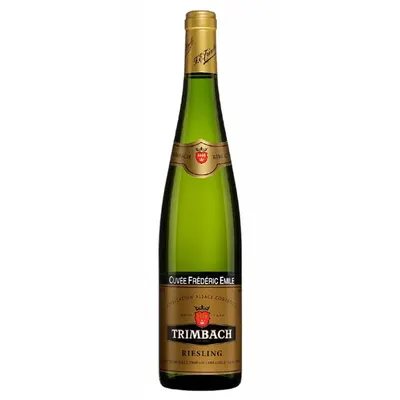
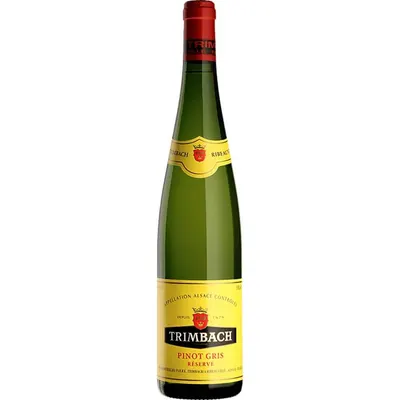
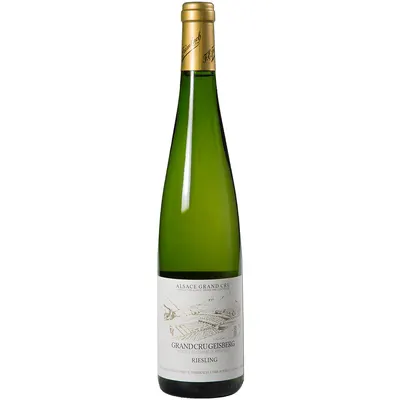
La gama actual de Trimbach demuestra su enfoque en variedades alsacianas tradicionales, con múltiples expresiones de Riesling incluyendo su Cuvée Frederic Emile y una botella Grand Cru Schlossberg. También producen vinos de nivel Reserve de Pinot Gris y mantienen una pequeña producción de Pinot Noir, la única uva tinta permitida en los vinos de apelación de Alsacia.

Maison Trimbach
Alsace

Alsace

Alsace stretches along France's eastern border with Germany, forming a narrow strip between the Vosges Mountains and the Rhine River. This unique geographical position has shaped both the...

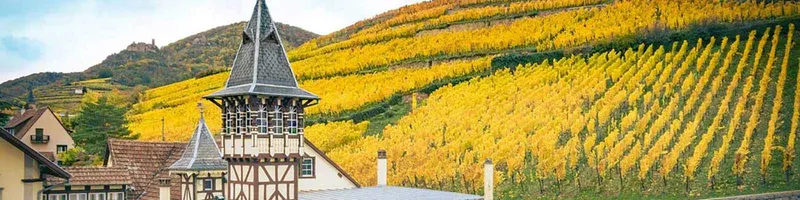
Alsace stretches along France's eastern border with Germany, forming a narrow strip between the Vosges Mountains and the Rhine River. This unique geographical position has shaped both the region's winemaking traditions and its distinctive bottle shapes, with influences from both French and German viticulture evident throughout its 15,500 hectares of vineyards. The region operates under its own appellation system, with Alsace AOC covering varietal wines and Alsace Grand Cru AOC designating 51 specific vineyard sites of exceptional terroir.

The Vosges Mountains create a rain shadow effect that makes Alsace one of France's driest wine regions, with annual rainfall often below 500mm. The diverse geological foundation includes granite, limestone, sandstone, and volcanic soils, contributing to the complexity found across different vineyard sites. Grand Cru vineyards, situated on the steepest and most favorable slopes, benefit from optimal sun exposure and specific soil compositions that enhance varietal expression.

Alsace focuses primarily on single-varietal white wines, with Riesling, Gewürztraminer, Pinot Gris, and Pinot Blanc forming the core of production. The region's winemaking philosophy emphasizes pure varietal character, typically fermenting wines to dryness unless designated as late-harvest styles. Crémant d'Alsace represents the region's traditional-method sparkling wines, while small quantities of Pinot Noir produce the area's only red wines. The combination of continental climate, protective mountain influence, and varied terroir creates wines with pronounced aromatics, mineral precision, and notable aging potential.

Explora Alsace
Alsace

Alsace

Alsace is a wine region in northeastern France, located in the eastern foothills of the Vosges mountains and bordering Germany to the east. The region has a documented...

Alsace is a wine region in northeastern France, located in the eastern foothills of the Vosges mountains and bordering Germany to the east. The region has a documented winemaking history stretching back to the medieval period, though its current appellation framework was formalized in the 20th century. The terrain is characterized by steep, terraced vineyards on hillsides that face southeast, with the Vosges providing a natural rain shadow that significantly influences the local climate.

The region experiences a continental climate with warm, dry summers and cold winters, conditions that favor the production of dry wines with concentrated fruit character. Soils vary considerably across Alsace's scattered vineyard sites, ranging from limestone and marl to granite and volcanic substrates, which imparts distinct mineral signatures to wines. The appellation permits several white grape varieties as its principal focus—Riesling, Gewurztraminer, Pinot Gris, and Muscat—alongside limited production of Pinot Noir for red wines. Winemakers here traditionally produce wines across a spectrum of sweetness levels, from bone-dry to late-harvest expressions, depending on vintage conditions and harvest timing.

Alsatian wines are characterized by aromatic intensity and crisp acidity despite relatively high alcohol levels, a profile shaped by the region's cool-climate continental setting. Rieslings from Alsace display floral and mineral notes with stone fruit character, while Gewurztraminers are known for distinctive spice, lychee, and rose petal aromatics. Pinot Gris typically offers broader body and riper fruit expression than Riesling, often with honeyed undertones. The dry style predominates in modern production, though noble rot infections in favorable years produce complex sweet wines of considerable aging potential.

Leer más