
- Robert Parker (RP) points
- Vinous points
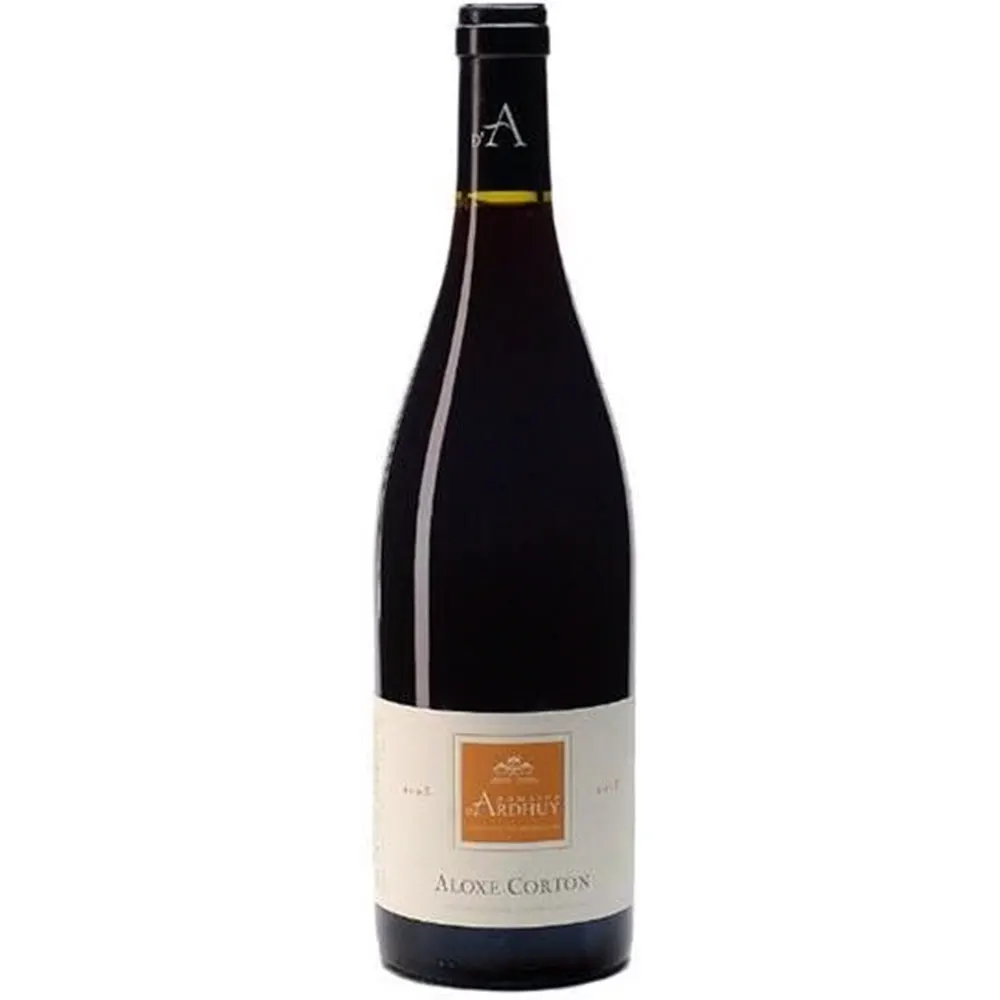
Domaine d'Ardhuy - Aloxe-Corton - Kosher
Vintage
2015
Size
75 cl
Price
€267.60 ex. VAT
In stockIn stock
- Kosher
Tasting notes
The wines of Aloxe-Corton are among the most tannic in Burgundy. Designed for long ageing, they require time to develop and soften their youthful intensity. With maturity, they reveal remarkable complexity, showcasing dominant notes of undergrowth, mushrooms, and often hints of leather or fur.
More information
Provenance
- Type
- Red
- Producer
- Domaine d'Ardhuy
- Country
- France
- Appellation
- Aloxe-Corton
- Region
- Burgundy
Technical
- Vintage
- 2015
- Grapes
- Pinot Noir
- ABV
- 13%
- Size
- 75cl
- Ageing
- Serving
- 15° - 17° C
- Drinking window
Food pairings
Key characteristics
About this wine
Domaine d'Ardhuy's Aloxe-Corton red wine represents the essence of Burgundy's prestigious terroir. This Pinot Noir-based expression showcases the elegance and complexity that define the appellation, with a medium-bodied structure and balanced acidity that reflects the limestone-rich soils of the region. The wine displays characteristic forest floor notes, offering a dry, sophisticated profile at 13% ABV.
Aloxe-Corton, one of Burgundy's most celebrated appellations, benefits from exceptional south-facing slopes that allow Pinot Noir to achieve optimal ripeness and complexity. Domaine d'Ardhuy's commitment to traditional winemaking practices honors this heritage while crafting wines of remarkable depth and finesse.
This red wine pairs beautifully with a broad range of cuisines: roasted lamb, beef, duck, and venison showcase its structure, while it complements cheese courses featuring Brie and Camembert. Mushroom-based dishes, tomato-driven pasta, grilled vegetables, and aromatic spices all find harmony with this versatile Burgundy. Ideal for fine dining, villa entertaining, or cellar cellars seeking authentic French elegance.
More from Aloxe-Corton
View all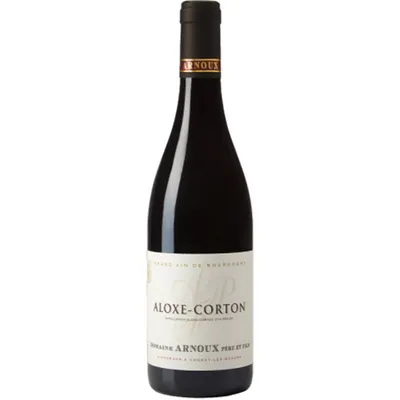
Behind the bottle
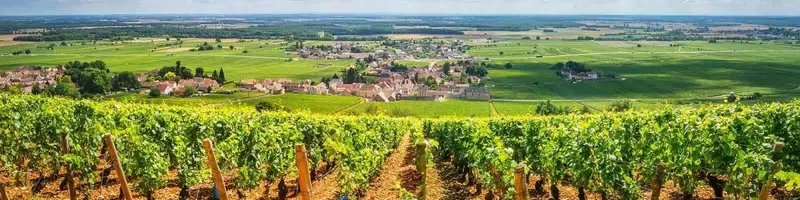
Region
Burgundy
The French Wine region of Burgundy (aka “Bourgogne”) may be small in size, but its influence is huge in the world of vino. The complexity of Burgundy can cast fear into the heart of even a seasoned wine pro, but fear not, the…
Explore Burgundy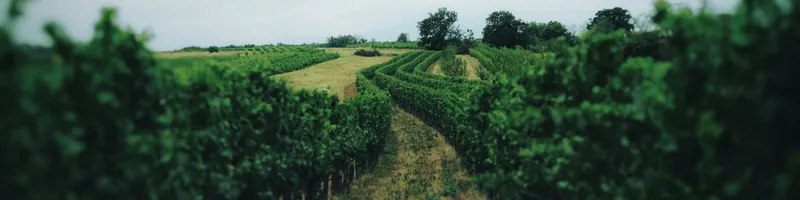
Appellation
Aloxe-Corton
Aloxe-Corton is a village appellation located in the Côte de Beaune section of Burgundy's Côte d'Or district in eastern France. The commune sits at the northern end of the Côte de Beaune, adjacent to the larger Côte de Nuits…
Explore Aloxe-Corton