
Bodega de Forlong - Blanco

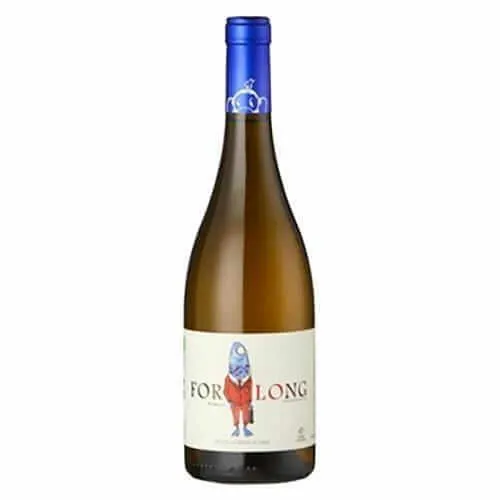
Bodega de Forlong - Blanco - 2017 - 75cl - Onshore Cellars

Bodega de Forlong - Blanco

Vintage
Size
Regular price €20.30
POA/
  • 4 in stock
  • Inventory on the way
Tax included. Shipping calculated at checkout.

Tasting Notes

Loading tasting notes…

More information

Provenance
Type
Country
Appellation
Producer
Technical
Grapes
ABV
13%
Serving
8° - 10° C
Food Pairings
ShellfishGoat CheeseGreen VegetablesSaladsSushi and SashimiFresh Herbs and Aromatic Dishes
Certifications
Bio (Organic)
Key Characteristics
ComplexMedium alcoholMedium-bodiedMedium acidityDryMedium intensity

Behind the bottle

Bodegas Forlong

Bodegas Forlong

Bodegas Forlong is a winery based in Cádiz, in the Andalucia region of southern Spain. The producer focuses on white wine production, working with the traditional varieties and...

Bodegas Forlong is a winery based in Cádiz, in the Andalucia region of southern Spain. The producer focuses on white wine production, working with the traditional varieties and methods established in this wine-producing area.

The Cádiz region, part of the broader Sherry-producing zone of Andalucia, is characterized by its chalky albariza soils and maritime climate moderated by Atlantic breezes. White wines from this area typically reflect these conditions, with good acidity and minerality. The region has a long history of winemaking, though it remains less internationally prominent than some other Spanish wine regions.

Bodegas Forlong works with Palomino, the classic white grape of the Cádiz area, which is traditionally used for both dry whites and fortified wines in this region. Their current range includes dry white expressions of this variety, offering a direct perspective on what the local terroir and traditional viticulture can produce.

Bodegas Forlong
Andalucia

Andalucia

Andalucia encompasses Spain's southernmost wine regions, stretching across the provinces of Cádiz, Córdoba, Huelva, and Málaga. This autonomous community is globally recognized as the birthplace of sherry, with...

Andalucia encompasses Spain's southernmost wine regions, stretching across the provinces of Cádiz, Córdoba, Huelva, and Málaga. This autonomous community is globally recognized as the birthplace of sherry, with its winemaking traditions dating back over 3,000 years. The region's strategic position between the Atlantic Ocean and Mediterranean Sea, combined with its proximity to North Africa, has shaped both its viticultural practices and the unique wine styles that emerge from its vineyards.

The climate here is predominantly Mediterranean with strong Atlantic influences, characterized by hot, dry summers and mild winters. The albariza soils of the Jerez triangle—composed of limestone, clay, and silica—provide excellent water retention during the region's arid growing season. Key appellations include Jerez-Xérès-Sherry and Manzanilla-Sanlúcar de Barrameda in Cádiz province, along with Montilla-Moriles in Córdoba, each contributing distinct characteristics to the region's wine portfolio.

Palomino Fino dominates plantings in the sherry-producing areas, prized for its neutral character that allows the solera aging system to impart complexity. Pedro Ximénez, grown primarily in Montilla-Moriles and parts of Jerez, produces intensely sweet wines after the grapes are sun-dried. The region's defining feature is the biological aging process under flor—a layer of yeast that develops naturally on certain wines, creating the distinctive nutty, saline character found in fino and manzanilla sherries, while oxidative aging produces the richer amontillado and oloroso styles.

Explore Andalucia
Cádiz

Cádiz

Cádiz is a wine region in Andalucia, southern Spain, located in the province of the same name. The appellation encompasses vineyards in one of Spain's southernmost wine-producing areas,...

Cádiz is a wine region in Andalucia, southern Spain, located in the province of the same name. The appellation encompasses vineyards in one of Spain's southernmost wine-producing areas, characterized by its proximity to the Atlantic Ocean and the Strait of Gibraltar. While less internationally prominent than other Spanish regions, Cádiz has a long history of wine production tied to its strategic maritime position and historical trade routes.

The region experiences a warm Mediterranean climate moderated by Atlantic influences, with significant sunshine and coastal breezes. Soils vary across the appellation but typically include chalky and clay components. Palomino is the primary grape variety cultivated here, reflecting the region's historical connection to fortified wine production. White wines dominate the appellation's output, produced in both dry and fortified styles, though the focus and scale of production remain modest compared to larger Spanish regions.

Wines from Cádiz tend toward lighter, crisper profiles, particularly when made from Palomino in dry white styles. The maritime climate and traditional vineyard practices contribute to wines with good acidity and mineral characteristics. The appellation represents a peripheral but historically significant corner of Spanish viticulture, where production remains limited and focused on traditional methods rather than high volume.

Read more