
- Robert Parker (RP) points 90
- Vinous points
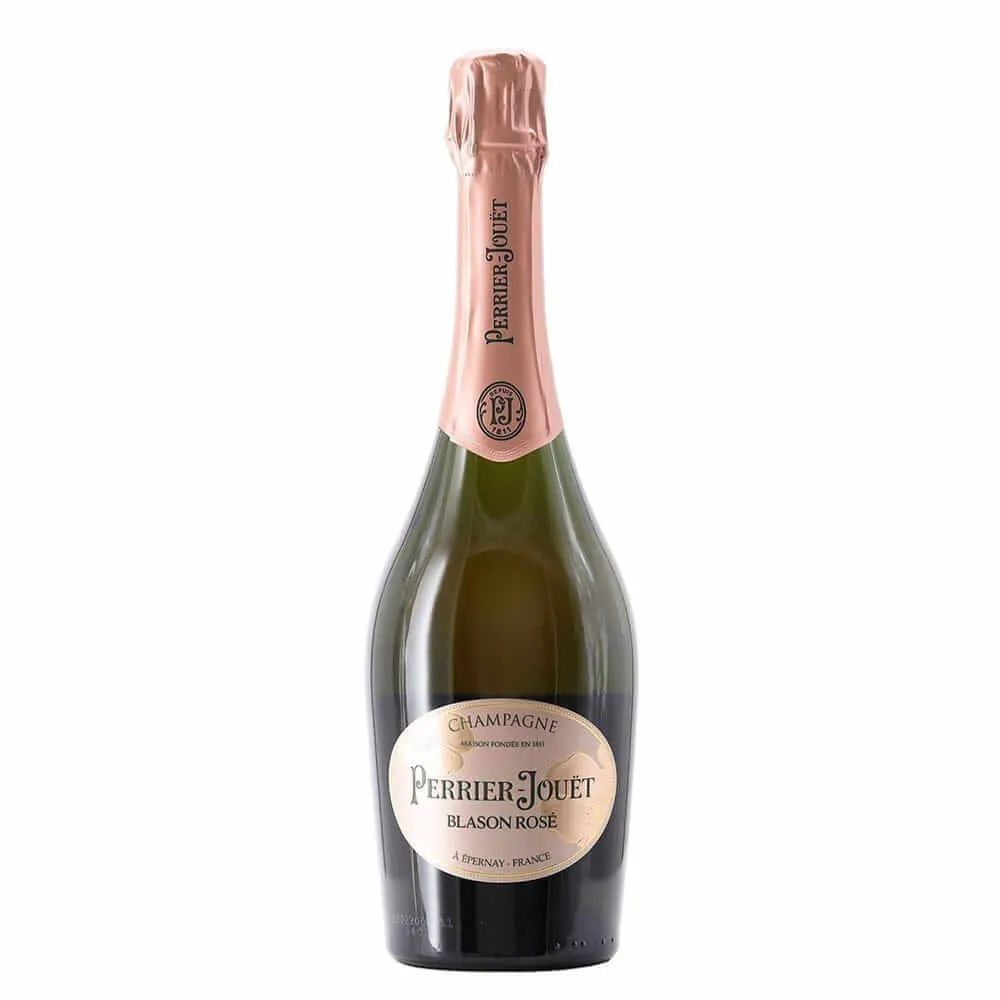
Perrier-Jouët - Blason Rosé
Vintage
NV
Size
75 cl
Price
€99.60 ex. VAT
In stockIn stock
Tasting notes
The voluptuous freshness of Perrier-Jouët Blason Rosé is delicious with salmon, red snapper or sushi, whilst its richness matches beautifully with duck breast or lamb with red fruits like cranberries. It can also be paired with desserts combining perhaps red berry fruits, white chocolate and vanilla flavours.
More information
Provenance
- Type
- Sparkling
- Producer
- Perrier-Jouët
- Country
- France
- Appellation
- Champagne
- Region
- Champagne
- Style
- Brut
Technical
- Vintage
- NV
- Grapes
- Champagne blend
- ABV
- 12.5%
- Size
- 75cl
- Ageing
- Serving
- 8° - 10° C
- Drinking window
Food pairings
Key characteristics
About this sparkling wine
Perrier-Jouët - Blason Rosé
Perrier-Jouët - Blason Rosé is a delightful champagne that is perfect for any occasion. This champagne is made from a blend of Chardonnay, Pinot Noir and Pinot Meunier grapes, which are carefully selected from the best vineyards in the Champagne region of France.
The taste profile of Perrier-Jouët - Blason Rosé is characterized by its delicate and fruity notes, with a subtle hint of red fruits and a touch of vanilla. The champagne has a beautiful pink color, which is achieved by adding a small amount of red wine to the blend.
The history of Perrier-Jouët dates back to 1811, when Pierre-Nicolas Perrier and Rose-Adélaïde Jouët founded the champagne house in Epernay, France. Since then, the house has been known for producing some of the finest champagnes in the world, with a focus on quality and craftsmanship.
Perrier-Jouët - Blason Rosé is perfect for any occasion, whether it's a romantic dinner for two or a celebration with friends. It pairs well with a variety of foods, including seafood, sushi, and light salads. The champagne is best served chilled, and can be enjoyed in a flute or a wine glass.
More from Perrier-Jouët
View all
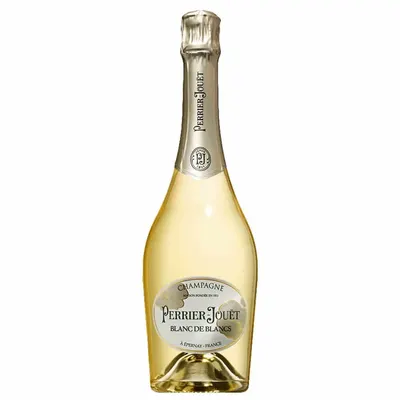
More from Champagne
View all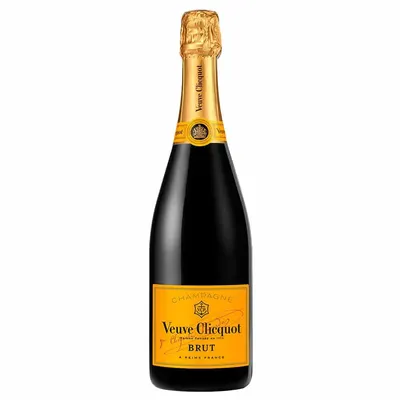
Veuve Clicquot - Ponsardin - Yellow Label - Brut
- NV
- 75cl
- Pinot Meunier, Pinot Noir, Chardonnay
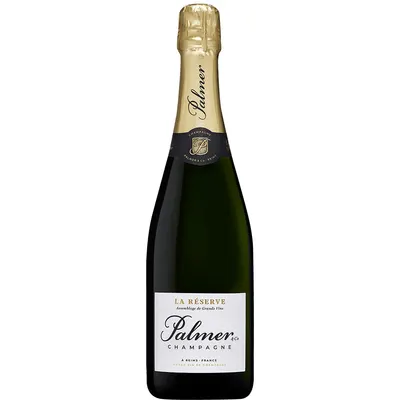
Palmer & Co. Champagne - La Réserve - Brut
- NV
- 75cl
- Chardonnay, Pinot Noir, Pinot Meunier
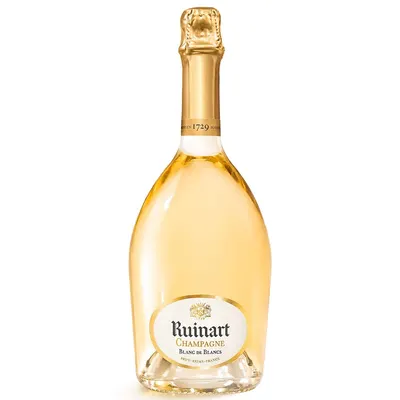
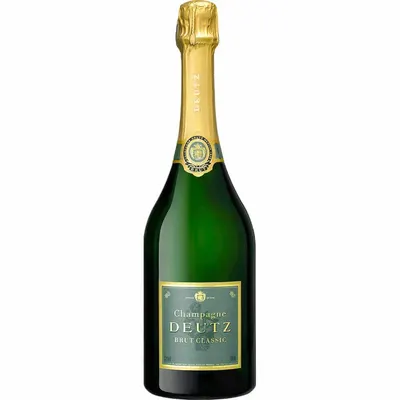
Behind the bottle
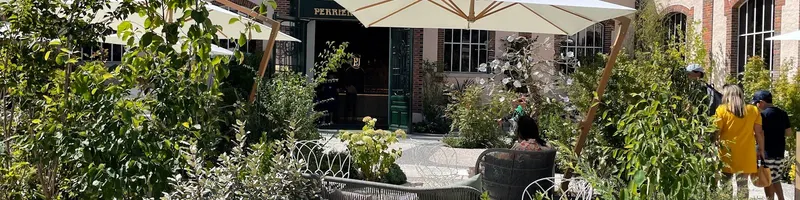
Producer
Perrier-Jouët
Perrier-Jouët is a Champagne house founded in 1811 in Épernay, located in the heart of France's Champagne region. The house produces exclusively sparkling wines under the Champagne appellation, working with the three traditional…
Explore Perrier-Jouët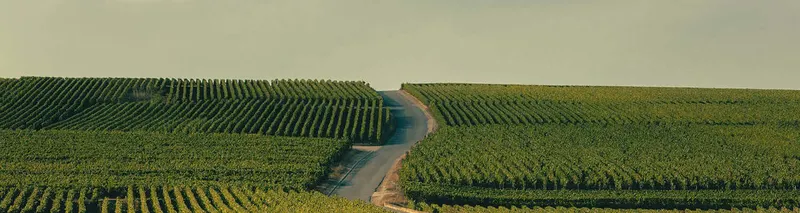
Region
Champagne
In 1668, Dom Pérignon is said to have discovered how to make sparkling wine; today his technique is used the world over, although Champagne continues to make some of the finest. France’s most northerly wine region, Champagne is…
Explore Champagne