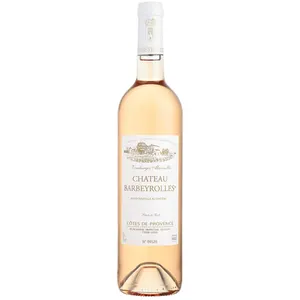
Château Barbeyrolles - Pétale de Rosé

Château Barbeyrolles - Pétale de Rose - 2023 - 75cl - Onshore Cellars

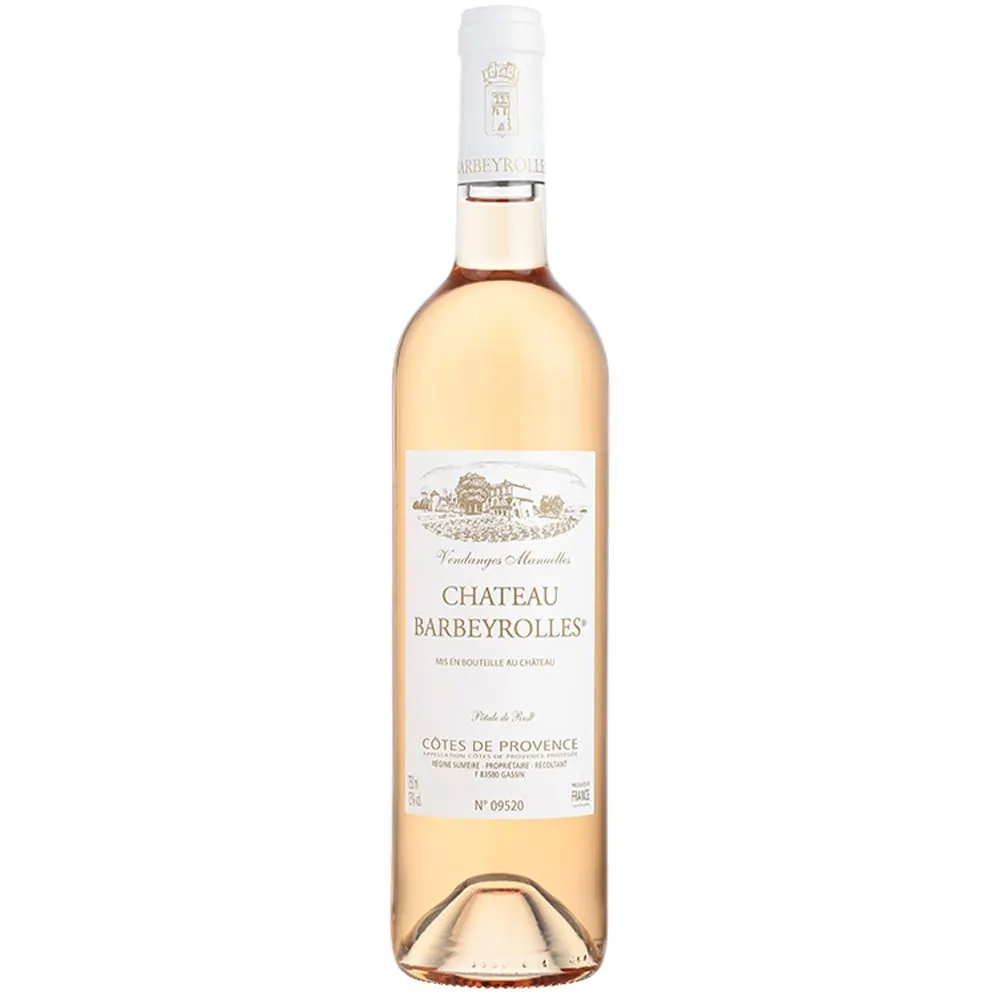
Château Barbeyrolles - Pétale de Rosé

Vintage
Size
Regular price €33.04
Price on application/
  • In stock
  • Inventory on the way
Tax included. Shipping calculated at checkout.

Tasting Notes

Loading tasting notes…

Loading tasting notes…

More information

Provenance
Type
Country
Appellation
Technical
Serving
8° - 10° C
Certifications
Biodynamic
Key Characteristics
["Stone fruit""Red fruit""Fresh""Structured""Medium alcohol""Medium-bodied"]

Behind the bottle

Château Barbeyrolles

Château Barbeyrolles

Château Barbeyrolles - Pétale de Rosé is a delightful wine that is sure to please even the most discerning of palates. This wine is produced by the renowned...

Château Barbeyrolles - Pétale de Rosé is a delightful wine that is sure to please even the most discerning of palates. This wine is produced by the renowned Château Barbeyrolles, which is located in the heart of the Provence region of France. The winery has a long and storied history, dating back to the 17th century, and is known for producing some of the finest wines in the world.

The Pétale de Rosé is a beautiful wine that is made from a blend of Grenache, Cinsault, and Syrah grapes. The wine has a lovely pale pink color and a delicate aroma of fresh strawberries and raspberries. On the palate, the wine is crisp and refreshing, with flavors of red berries and a hint of citrus.

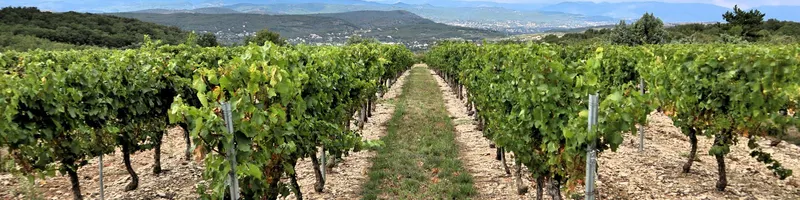
One of the things that sets Château Barbeyrolles - Pétale de Rosé apart from other wines is the care and attention that goes into its production. The grapes are hand-picked and carefully sorted to ensure that only the best fruit is used. The wine is then fermented in stainless steel tanks at a low temperature to preserve its delicate flavors and aromas.

This wine is perfect for enjoying on a warm summer day, either on its own or paired with light, fresh dishes such as salads, seafood, or grilled vegetables. It is also a great choice for picnics, outdoor gatherings, or any occasion where you want to enjoy a refreshing and delicious wine.

In conclusion, Château Barbeyrolles - Pétale de Rosé is a wine that is sure to impress. With its delicate flavors, beautiful color, and rich history, it is a wine that is perfect for any occasion. Whether you are a wine connoisseur or simply looking for a delicious and refreshing wine to enjoy, this is a wine that you will not want to miss. So why not give it a try today and experience the magic of Château Barbeyrolles - Pétale de Rosé for yourself?

Château Barbeyrolles
Our collection of Provence - Find this at Onshore Cellars your yacht wine supplier

Provence

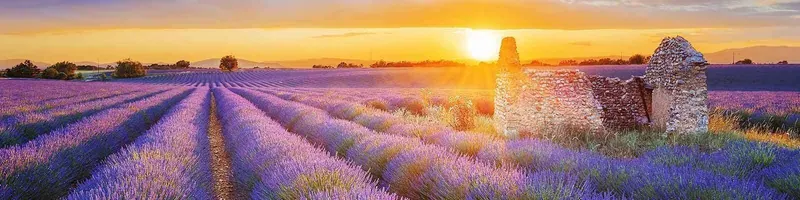
Provence spans southeastern France along the Mediterranean coast, stretching from the Italian border west to the Rhône delta. This ancient wine region produces approximately 170 million bottles annually,...

Provence spans southeastern France along the Mediterranean coast, stretching from the Italian border west to the Rhône delta. This ancient wine region produces approximately 170 million bottles annually, with rosé wines comprising roughly 90% of total production. The region encompasses eight appellations, including Côtes de Provence, Bandol, and Cassis, distributed across varied landscapes from coastal plains to limestone hills and mountainous terrain.

The Mediterranean climate provides abundant sunshine, warm temperatures, and the cooling influence of the mistral wind, which helps maintain acidity and reduces disease pressure in the vineyards. Soils vary significantly across the region, from limestone and clay in the hills to sandy coastal areas and schist in certain zones. Côtes de Provence represents the largest appellation, while Bandol focuses on structured reds from Mourvèdre, and Cassis specializes in distinctive white wines from local varieties.

Traditional grape varieties dominate plantings, with Grenache, Cinsault, and Syrah forming the backbone of most rosé blends, often complemented by Mourvèdre and Tibouren. White wines typically feature Rolle (Vermentino), Clairette, and Ugni Blanc, while reds emphasize Grenache, Syrah, and Mourvèdre. Provençal rosés are characterized by their pale salmon color, achieved through minimal skin contact and immediate pressing, resulting in fresh, dry wines with delicate fruit flavors and mineral notes that reflect the region's diverse terroir.

Explore Provence
Côtes de Provence

Côtes de Provence

Côtes de Provence is an appellation located in southeastern France within the Provence region, stretching across the departments of Var and Bouches-du-Rhône. The appellation covers a substantial area...

Côtes de Provence is an appellation located in southeastern France within the Provence region, stretching across the departments of Var and Bouches-du-Rhône. The appellation covers a substantial area of Mediterranean coastline and inland terrain, encompassing zones from the Maures Massif to the Esterel mountains. The appellation was officially established in 1977, recognizing the region's long winemaking tradition dating back centuries.

The appellation benefits from a Mediterranean climate with warm, dry summers and mild winters, moderated by the Mistral wind. Soils vary across the region, ranging from limestone and clay to schist and sandstone, contributing to diverse microclimates within the appellation. Côtes de Provence permits a broad range of grape varieties: Grenache, Cinsault, Syrah, and Mourvèdre dominate red and rosé production, while whites may include Rolle, Semillon, Ugni Blanc, and Sauvignon Blanc. The appellation is not restricted to single-varietal wines; blended wines are standard practice across all three colors.

Rosé wines are the hallmark of Côtes de Provence, typically produced in a dry style with pale salmon coloring. These rosés offer delicate red fruit aromatics and refreshing acidity, suited to the region's warm climate. The appellation also produces dry white wines with citrus and mineral notes, and red wines ranging from light and fruity to more structured examples, depending on the specific blend and producer. The diversity of the appellation reflects both its geographic range and the flexibility winemakers have in blending across permitted varieties.

Read more