
- Robert Parker (RP) points 92
- Vinous points
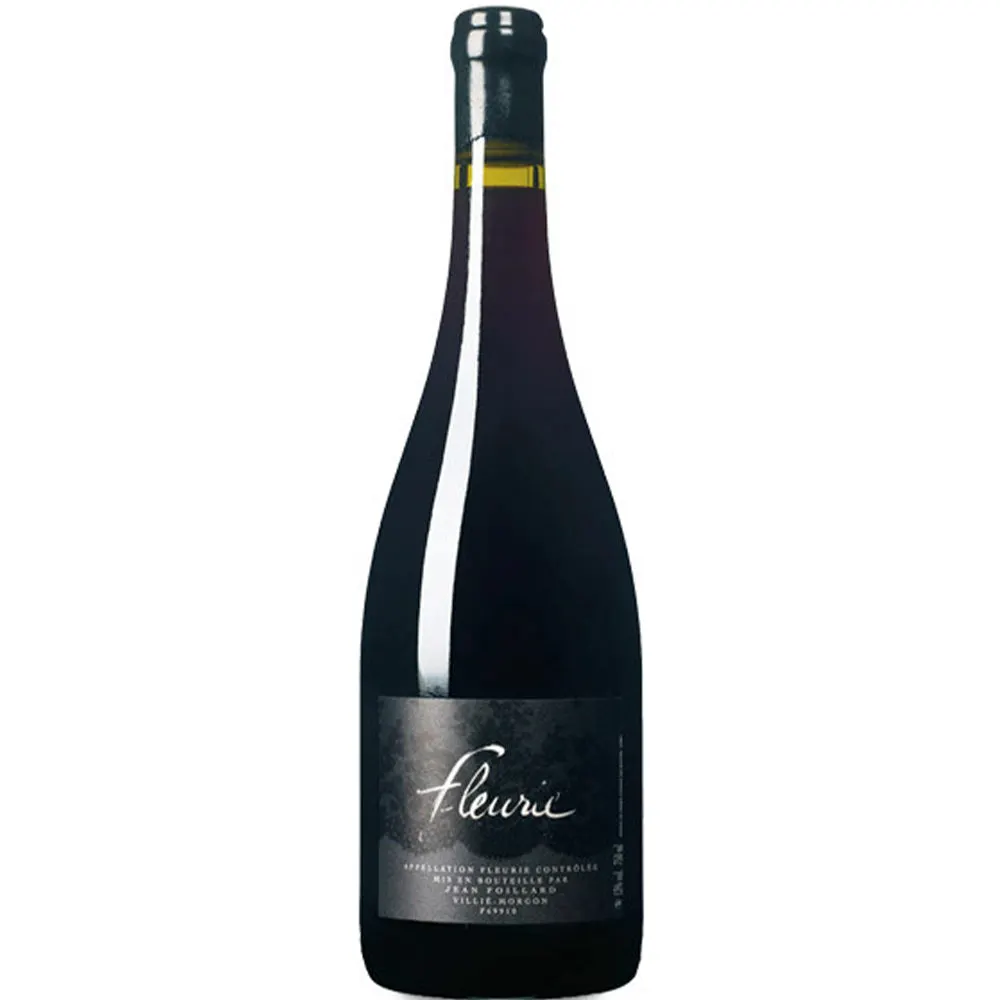
Jean Foillard - Fleurie
Vintage
2021
Price
€46.80 ex. VAT
In stockIn stock
Tasting notes
Sourced from the Champ*agne lieu-dit, the 2021 Fleurie demonstrates all the luscious qualities that a 2021 could have, with velvety notes of red cherries, spiced plums, crushed purple petals and vine smoke. Medium-bodied on the palate, it has precision and balance with its just-ripe fruit and fine-grained tannins intertwined seamlessly with the tension-driven structure, guided by a backbone of tangy acidity. This interplay leads to a prolonged journey toward a flavorful, tangy finish. This is a spot-on wine from the Foillard team.
More information
Provenance
- Type
- Red
- Producer
- Jean Foillard
- Country
- France
- Appellation
- Fleurie
- Region
- Beaujolais
Technical
- Vintage
- 2021
- Grapes
- Gamay
- ABV
- 13.5%
- Size
- 75cl
- Ageing
- Serving
- 14° - 16° C
- Drinking window
- 2024 - 2032
Food pairings
Key characteristics
About this wine
Jean Foillard is a legendary producer in Fleurie, one of Beaujolais's most prestigious appellations in France. Known for a philosophy that prioritizes natural winemaking and minimal intervention, Foillard crafts red wines of remarkable elegance and structure from the Gamay grape. His approach honors the unique terroir of Fleurie, where granite-based soils and a continental climate produce wines of distinctive character and finesse.
This Fleurie red wine showcases the velvety texture and ripe fruit expression that define the appellation, with a medium-bodied profile and subtle smoky notes. At 13.5% ABV, it achieves impressive balance and complexity. The wine's versatility at the table makes it ideal for pairing with blue cheese, brie, and camembert; charcuterie and cured meats; beef and game birds; mushrooms and grilled vegetables; or tomato-based dishes. Whether served in a fine dining setting or enjoyed casually, this Gamay-based red delivers the sophisticated, food-friendly character that Jean Foillard is renowned for.
More from Jean Foillard
View all
Behind the bottle
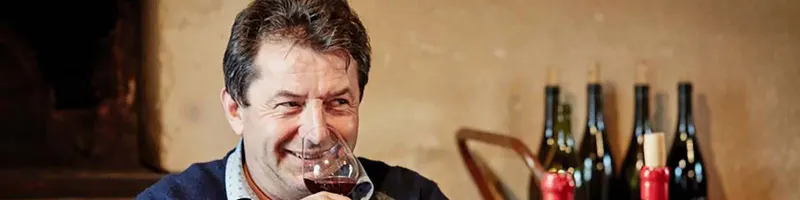
Producer
Jean Foillard
Jean Foillard is a Beaujolais producer based in the village of Villié-Morgon, working primarily within the Fleurie and Morgon appellations. The domaine focuses exclusively on red wines made from Gamay, the signature grape…
Explore Jean Foillard
Region
Beaujolais
Beaujolais is a wine region in eastern France, located between Burgundy to the north and the Rhône Valley to the south. The region stretches across rolling hills in the southern portion of Burgundy's administrative area, though…
Explore Beaujolais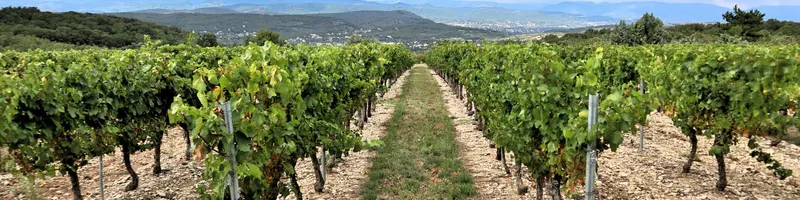
Appellation
Fleurie
Fleurie is one of ten designated crus within the Beaujolais region of France's Rhône Valley, located in the department of Rhône between Lyon and Mâcon. The appellation encompasses approximately 900 hectares of vineyard land on…
Explore Fleurie