
- Robert Parker (RP) points 91
- Vinous points
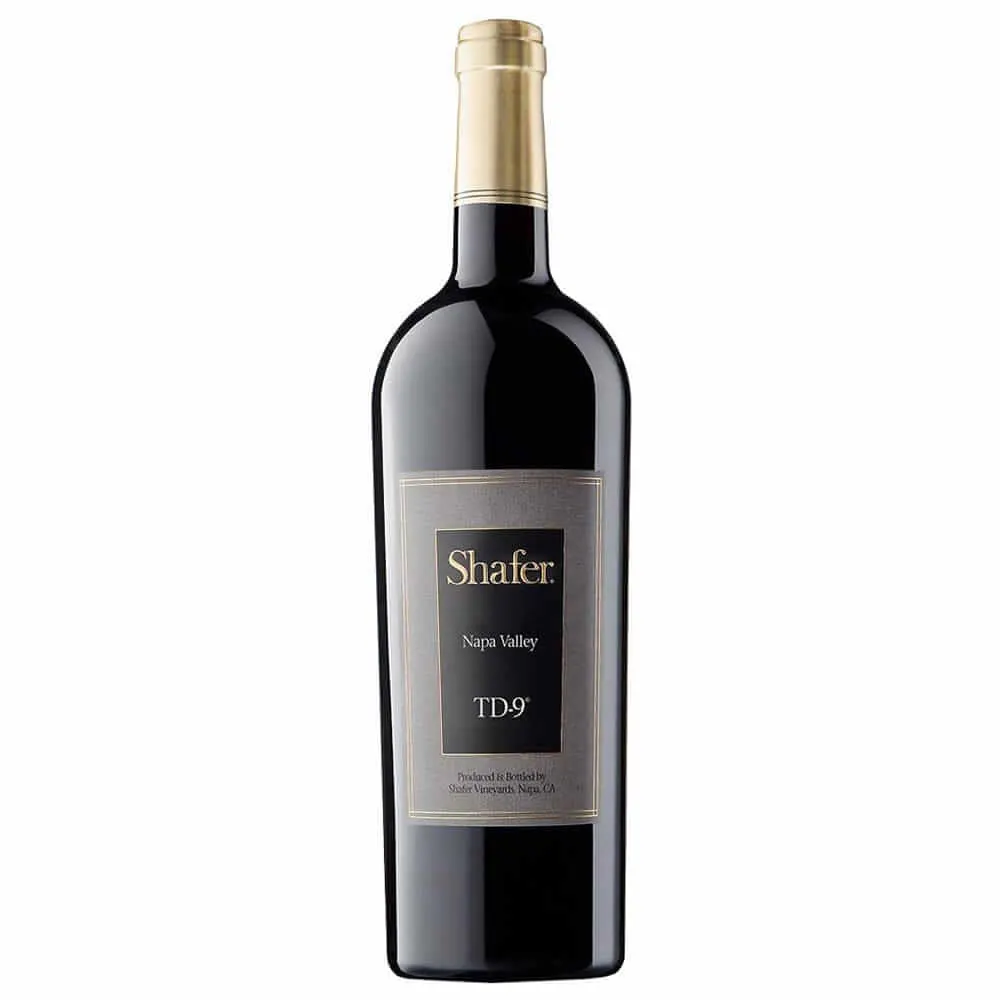
Shafer Vineyard - TD-9
Vintage
2018
Size
75 cl
Price
€79.20 ex. VAT
In stockIn stock
Tasting notes
The 2018 Red Blend TD-9 displays a medium to deep garnet-purple colour and expressive notes of blueberry compote, mulberries, and plum preserves plus nuances of potpourri, dried Provence herbs and tar. Medium to full-bodied, the palate has a lively backbone creating great tension with the ripe, plummy flavours and rounded tannins, finishing with an enticing herbal lift.
More information
Provenance
- Type
- Red
- Producer
- Shafer Vineyard
- Country
- USA
- Appellation
- Carneros
- Region
- California
Technical
- Vintage
- 2018
- Grapes
- Merlot, Malbec, Cabernet Sauvignon
- ABV
- 15.5%
- Size
- 75cl
- Ageing
- Serving
- 15° - 17° C
- Drinking window
Food pairings
Key characteristics
About this wine
Shafer Vineyard - TD-9
Shafer Vineyard's TD-9 is a blend of Merlot, Cabernet Sauvignon, and Malbec grapes, creating a rich and complex taste profile that is sure to impress any wine enthusiast.
The history of Shafer Vineyard dates back to the 1970s when John Shafer purchased a 210-acre estate in Napa Valley. Since then, the vineyard has become known for producing some of the finest wines in the region, including the TD-9.
The TD-9 is aged for 20 months in French oak barrels, giving it a smooth and velvety texture with notes of dark fruit, chocolate, and spice. It has a full-bodied taste with a long and satisfying finish.
This wine is perfect for pairing with hearty meat dishes, such as steak or lamb, and is best enjoyed in the company of good friends and family. Whether you're celebrating a special occasion or simply enjoying a quiet evening at home, the TD-9 is sure to impress.
Order your bottle of Shafer Vineyard's TD-9 today and experience the rich and complex taste of one of Napa Valley's finest wines.
More from Shafer Vineyard
View all
More from Carneros
View all
Behind the bottle
Producer
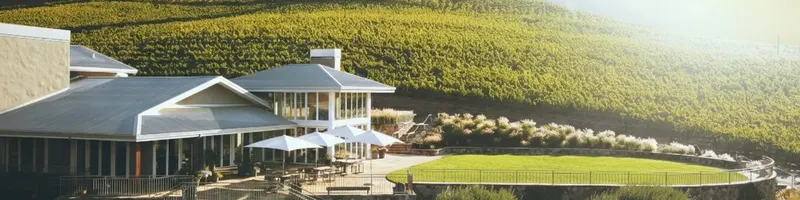
Shafer Vineyard
Shafer Vineyard operates in the Carneros appellation of California, producing both red and white wines. Located at the southern tip of Napa Valley where it meets Sonoma County, this cool-climate region benefits from fog and wind…
Explore Shafer Vineyard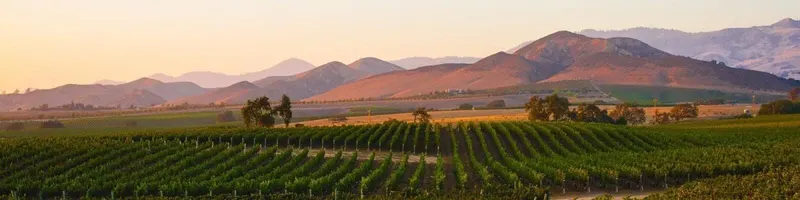
Region
California
California spans nearly 800 miles along the Pacific Coast and ranks as the fourth-largest wine producing region globally by volume. The state's diverse geography encompasses coastal valleys, inland mountains, and desert areas…
Explore California
Appellation
Carneros
Carneros is an American Viticultural Area (AVA) established in 1983, straddling the southern portions of both Napa and Sonoma counties in California. The appellation sits at the northern edge of San Pablo Bay, where the cool…
Explore Carneros