90 RP Points
90 RP Points
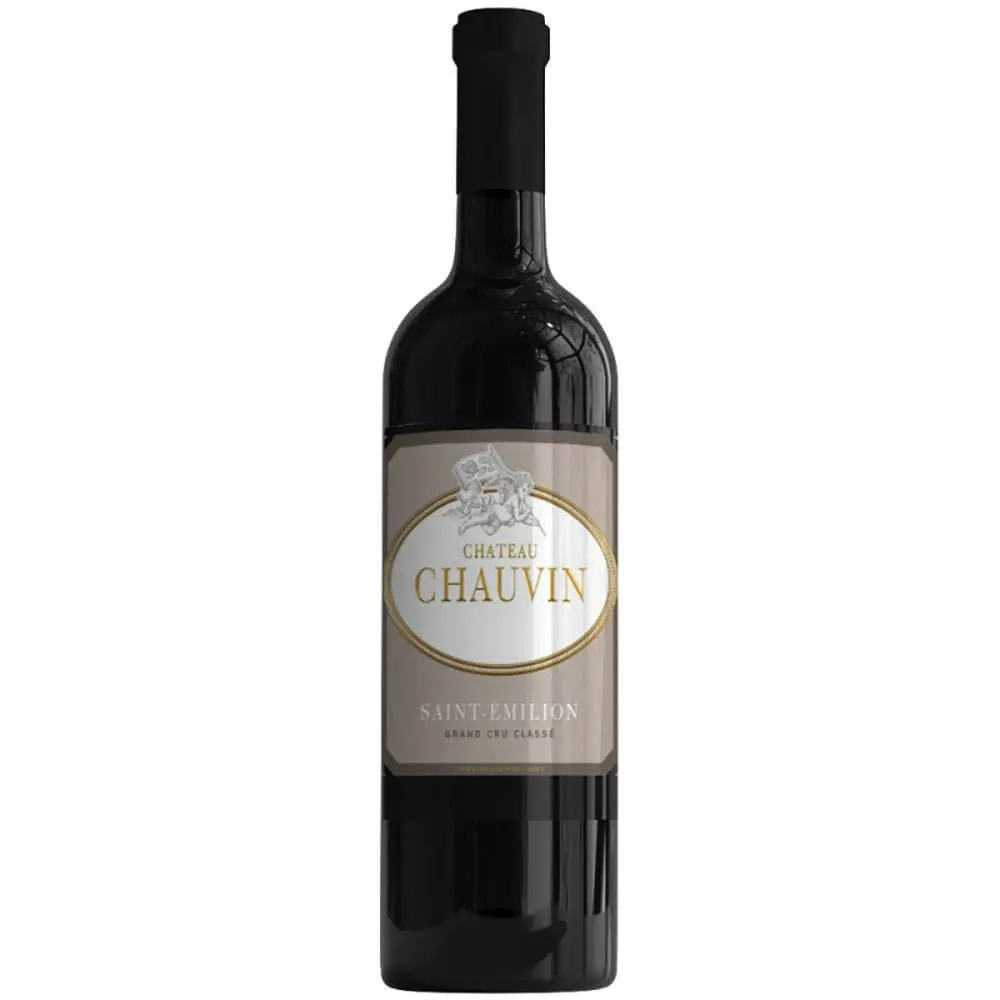
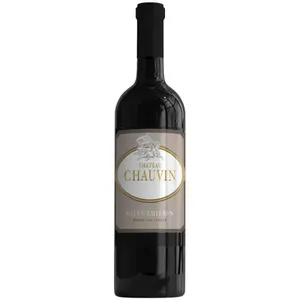
Château Chauvin - Saint-Émilion - 2005 - 75cl - Onshore Cellars
Vintage
Size
Regular price 32.200 Ft
POA/
  • 3 in stock
  • Inventory on the way
Tax included. Shipping calculated at checkout.

Tasting Notes

Loading tasting notes…

Loading tasting notes…

More information

Provenance
Type
Red
Country
Appellation
Producer
Style
Grand Cru
Technical
ABV
14%
Serving
16° - 18° C
Drinking
2015 - 2025
Food Pairings
LambBeefVenisonGame BirdsDuckMushrooms
Key Characteristics
Full-bodiedMedium(+) alcoholMedium acidityDryMedium intensity

Behind the bottle

Château Chauvin

Château Chauvin

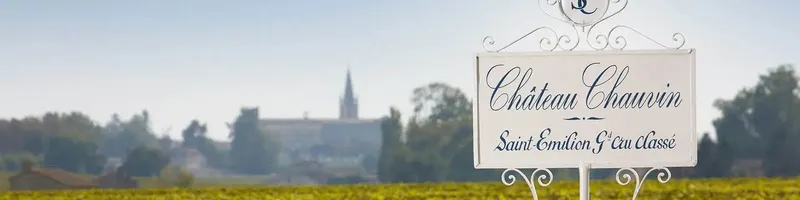
Château Chauvin is a wine producer located in the Saint-Émilion appellation of Bordeaux's Right Bank. The estate produces red wines exclusively, focusing on the classic Bordeaux blend varieties...

Château Chauvin is a wine producer located in the Saint-Émilion appellation of Bordeaux's Right Bank. The estate produces red wines exclusively, focusing on the classic Bordeaux blend varieties that thrive in this prestigious region of France's wine country.

Saint-Émilion is renowned for producing some of Bordeaux's most expressive and approachable red wines, with Merlot typically serving as the dominant grape variety, supported by Cabernet Franc and smaller amounts of Cabernet Sauvignon. The appellation's diverse terroir, ranging from limestone plateaus to clay-limestone slopes, allows producers to craft wines with both power and finesse. The region's classification system includes Grand Cru status for qualifying estates.

Château Chauvin works with the traditional Right Bank blend of Merlot, Cabernet Franc, and Cabernet Sauvignon, producing wines that carry the Saint-Émilion Grand Cru designation. This combination allows the estate to create wines that balance the fruit-forward character of Merlot with the structural elements provided by the Cabernet varieties.

Château Chauvin
Bordeaux - Onshore Cellars

Bordeaux

Bordeaux, in the southwest of France, needs little introduction as one of the world's most famous, prestigious and prolific wine regions. The majority of Bordeaux wines (nearly 90...
Bordeaux, in the southwest of France, needs little introduction as one of the world's most famous, prestigious and prolific wine regions. The majority of Bordeaux wines (nearly 90 percent of production volume) are the dry, medium- and full-bodied red Bordeaux Blends that established its reputation.

The finest (and most expensive) of these are the wines from the great châteaux of the Haut-Médoc and the Right Bank appellations Saint-Émilion and Pomerol. The former is focused (at the top level) on Cabernet Sauvignon, the latter pair on on Merlot.

The legendary reds are complemented by high-quality white wines based on Sémillon and Sauvignon Blanc. These range from dry whites to challenge the best from the Burgundy region (Pessac-Léognan is particularly renowned) to the sweet, botrytized nectars of Sauternes.
Explore Bordeaux
Saint-Émilion

Saint-Emilion

Saint-Émilion is one of Bordeaux's most historic wine appellations, located on the Right Bank of the Dordogne River approximately 40 kilometers east of Bordeaux city. The appellation encompasses...

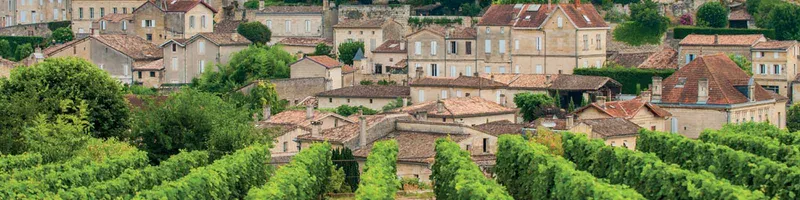
Saint-Émilion is one of Bordeaux's most historic wine appellations, located on the Right Bank of the Dordogne River approximately 40 kilometers east of Bordeaux city. The appellation encompasses the medieval town of Saint-Émilion and eight surrounding communes, with vineyards planted across a diverse landscape of plateaus, hillsides, and sandy plains. Saint-Émilion received AOC status in 1936 and operates under its own classification system, separate from the Left Bank's 1855 Classification.

The appellation's terroir is notably varied, featuring three distinct soil types: limestone plateaus around the town itself, clay-limestone slopes (côtes), and sandy-gravel soils (graves) in the plains toward the Dordogne. This diversity allows for different expressions within the same appellation. The climate is oceanic with maritime influences from the nearby river systems. Merlot dominates plantings and typically comprises 60-70% of most blends, supported by Cabernet Franc and smaller amounts of Cabernet Sauvignon. The appellation produces exclusively red wines, with many estates holding Grand Cru status.

Saint-Émilion wines are generally more approachable in their youth compared to Left Bank Bordeaux, owing to the predominance of Merlot. They typically display rich fruit flavors with plum and blackberry notes, complemented by earthy minerality that reflects the limestone soils. The Cabernet Franc component adds structure and aromatic complexity, while the diverse terroir creates wines ranging from elegant and mineral-driven on the plateaus to fuller-bodied and fruit-forward from the clay slopes.

Read more