
- Robert Parker (RP) points 92
- Vinous points
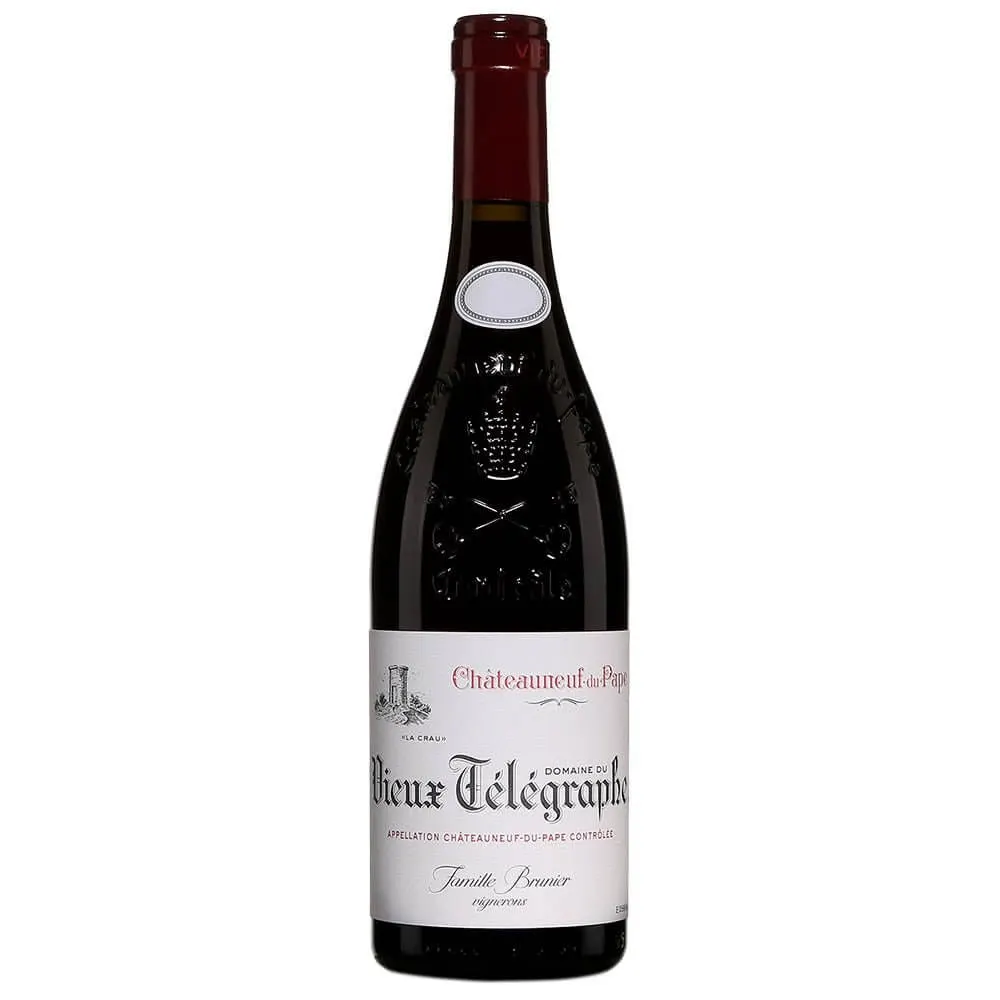
Domaine Du Vieux Telegraphe - Châteauneuf-du-Pape - Telegramme
Vintage
2022
Size
75cl
Price
€55.20 ex. VAT
In stockIn stock
Tasting notes
A blend of 85% Grenache and the rest of Cinsault, Syrah, and Mourvèdre, the 2022 Châteauneuf-du-Pape Télégramme offers aromas of flowers, dark cherries, and dark wild berries. This is followed by a medium, to full-bodied, structured, and concentrated palate with velvety tannins and a long, dense finish. More austere than previous vintages, this iteration stands out as a commendable rendition within the context of the vintage.
More information
Provenance
- Type
- Red
- Producer
- Vieux Telegraphe
- Country
- France
- Appellation
- Châteauneuf-du-Pape
- Region
- Rhone
Technical
- Vintage
- 2022
- ABV
- 14.5%
- Size
- 75cl
- Ageing
- Serving
- 16° - 18° C
- Drinking window
- 2024 - 2040
Food pairings
Key characteristics
About this wine
Vieux Telegraphe is a renowned producer of Châteauneuf-du-Pape wines located in the southern Rhône Valley of France. With a long and rich history dating back to the 18th century, the estate is currently managed by brothers Daniel and Frédéric Brunier, the fifth generation of their family to do so. The vineyards of Vieux Telegraphe are situated on the famous La Crau plateau, with 65 hectares of Grenache, Syrah, Mourvèdre, and Cinsault planted using traditional methods without the use of chemical fertilizers or pesticides.
The flagship wine of Vieux Telegraphe is their Châteauneuf-du-Pape, a blend of Grenache, Syrah, Mourvèdre, and Cinsault aged in large oak foudres for up to 18 months. This results in a rich and full-bodied wine with notes of dark fruit, spice, and earth. The estate also produces a second wine called Telegramme, made from younger vines and aged for a shorter period of time. This wine is more approachable and fruit-forward, with notes of red fruit and spice.
Vieux Telegraphe is a producer that is highly sought after by collectors and enthusiasts alike, and their wines are a true representation of the unique terroir of the southern Rhône Valley.
More from Châteauneuf-du-Pape
View all
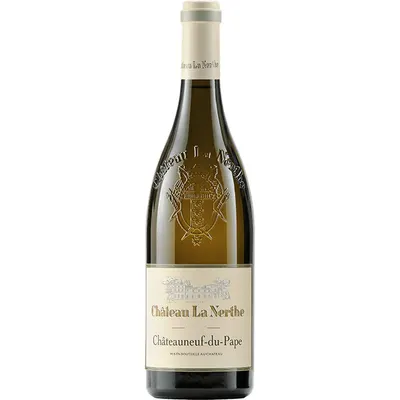
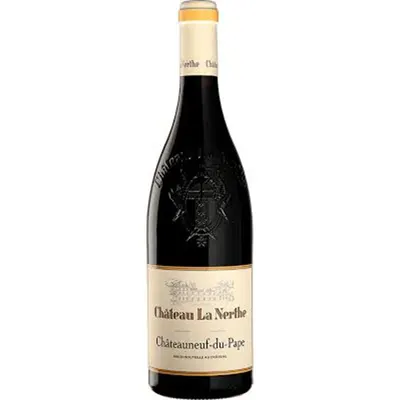
2024 - Château La Nerthe - Châteauneuf du Pape - Blanc
- 2024
- 75cl
- Cinsault, Clairette, Grenache
- Kosher
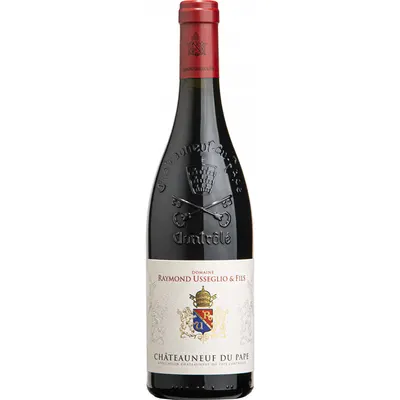
2021 - Domaine Raymond Usseglio & Fils - Châteauneuf-du-Pape - Kosher
- 2021
- 75cl
- Grenache, Syrah
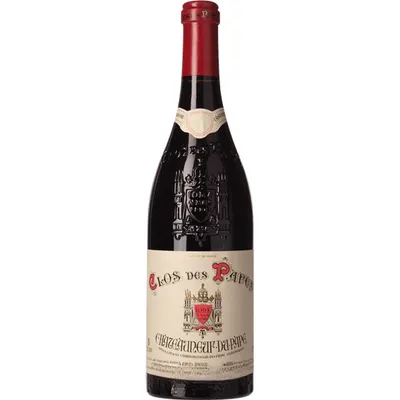
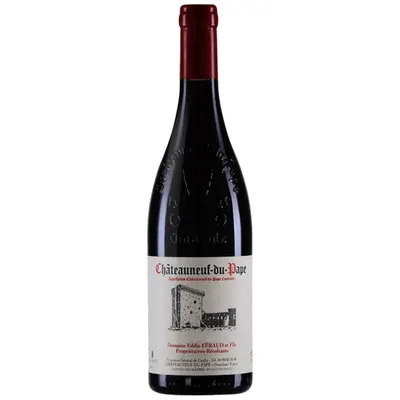
2020 - Domaine Féraud - Tradition - Châteauneuf-du-Pape
- 2020
- 75cl
- Grenache, Cinsault, Clairette
Behind the bottle

Producer
Vieux Telegraphe
Domaine du Vieux Télégraphe is a family-owned winery located in the Châteauneuf-du-Pape appellation of the southern Rhône Valley. The estate takes its name from an old telegraph tower that once stood on the property's highest…
Explore Vieux Telegraphe
Region
Rhone
Wine has been produced in the Rhône Valley for over 500 years, with some of its vineyards being amongst the oldest in France. Syrah rules over the south with a mix of Mediterranean grapes, while in the north, the two stars are…
Explore Rhone
Appellation
Châteauneuf-du-Pape
Châteauneuf-du-Pape is located in the southern Rhône Valley of France, approximately 15 kilometers north of Avignon. The appellation was established in 1936 as one of France's first AOC designations, covering roughly 3,200…
Explore Châteauneuf-du-Pape