89 RP Points
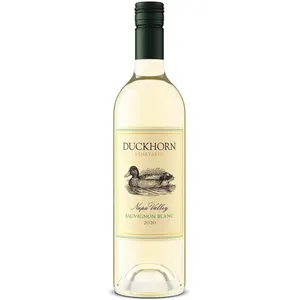
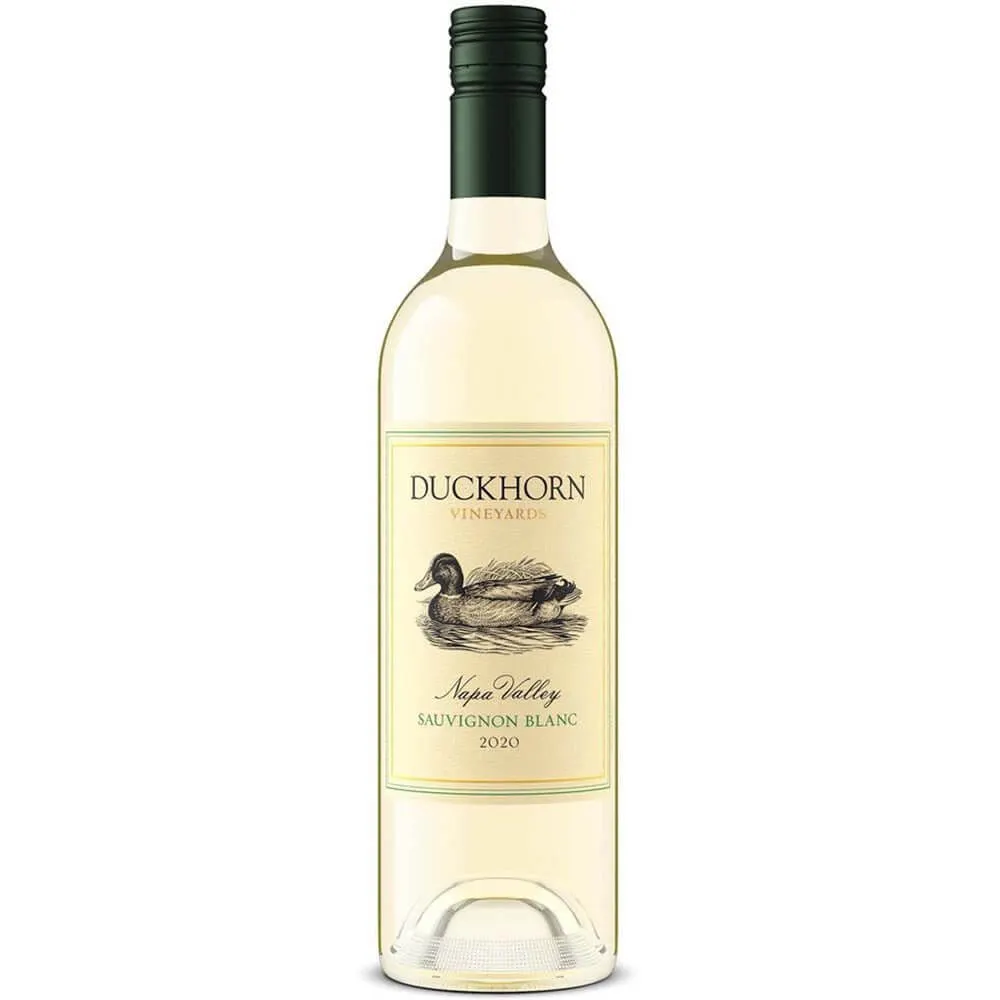
Duckhorn Vineyards - Sauvignon Blanc - 2021 - 75cl - Onshore Cellars
Vintage
Size
Regular price €38.40
Price on application/
  • In stock
  • Inventory on the way
Tax included. Shipping calculated at checkout.

Tasting Notes

Loading tasting notes…

Loading tasting notes…

Loading tasting notes…

More information

Provenance
Type
Country
Appellation
Technical
ABV
13.5%
Serving
8° - 10° C
Food Pairings
ShellfishWhite FishGreen VegetablesPasta DishesCitrus-Based DishesGruyereBrieSaladsTapas and Small PlatesSushi and Sashimi
Key Characteristics
["Light intensity""Citrus fruit""Tropical fruit""Mineral""Fresh""Medium(+) alcohol"]

Behind the bottle

Duckhorn Vineyards

Duckhorn Vineyards

Duckhorn Vineyards became one of the first 40 Napa Valley wineries when Dan and Margaret Duckhorn bought the estate in 1976. From its inaugural vintage of 800...

Duckhorn Vineyards became one of the first 40 Napa Valley wineries when Dan and Margaret Duckhorn bought the estate in 1976. From its inaugural vintage of 800 cases of Cabernet Sauvignon and 800 cases of Merlot in 1978 to its addition of Sauvignon Blanc in 1982, Duckhorn Vineyard is an example of quality and excellence that remains today.

Duckhorn Vineyards has spent forty years establishing itself as one of North America’s premier producers of Napa Valley wines. What have been the biggest challenges? I’d say our biggest challenges revolve around the changing climate and the natural unpredictability of weather. This is one of the most difficult, yet intriguing, aspects of winemaking and being rooted in the agricultural world. It is also what allows me as a winemaker to explore and create a unique expression of our wines every vintage. - Renée Ary

Duckhorn Vineyards
California - Onshore Cellars

California

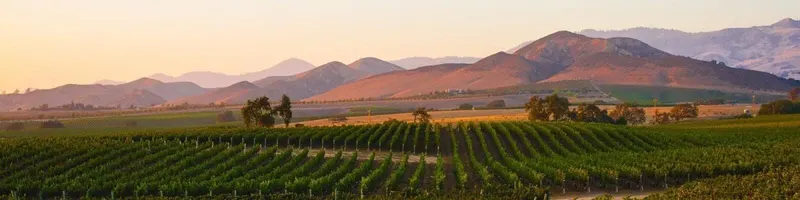
California spans nearly 800 miles along the Pacific Coast and ranks as the fourth-largest wine producing region globally by volume. The state's diverse geography encompasses coastal valleys, inland...

California spans nearly 800 miles along the Pacific Coast and ranks as the fourth-largest wine producing region globally by volume. The state's diverse geography encompasses coastal valleys, inland mountains, and desert areas, with vineyards extending from Mendocino County in the north to San Diego County in the south. Wine production began during the Spanish mission period in the late 18th century, though the modern California wine industry emerged following the repeal of Prohibition in 1933.

The Pacific Ocean's maritime influence creates distinct microclimates throughout California's wine regions, with coastal areas experiencing cooling fog and inland valleys subject to greater temperature variation. Napa Valley and Sonoma County represent the state's most recognized appellations, while emerging regions like Santa Barbara County and Paso Robles contribute to California's viticultural diversity. Soil types range from volcanic ash in Napa Valley to limestone-rich soils in parts of Paso Robles, providing varied terroir expressions across appellations.

Cabernet Sauvignon dominates red wine production, particularly in Napa Valley, while Chardonnay leads white varieties with notable expressions from cool-climate regions like Russian River Valley and Carneros. Pinot Noir thrives in coastal appellations including Sonoma Coast and Santa Barbara County, benefiting from marine influence and longer growing seasons. California's Mediterranean climate allows for extended hang time, typically producing wines with ripe fruit characteristics and higher alcohol levels compared to European counterparts.

Explore California
North Coast

North Coast

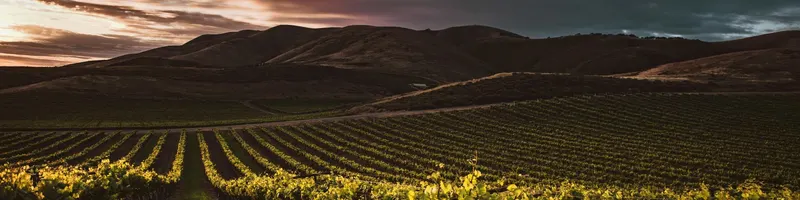
The North Coast AVA is one of California's largest and most encompassing appellations, established in 1983. It stretches across six counties north of San Francisco Bay: Napa, Sonoma,...

The North Coast AVA is one of California's largest and most encompassing appellations, established in 1983. It stretches across six counties north of San Francisco Bay: Napa, Sonoma, Mendocino, Lake, Solano, and Marin. This broad appellation serves as an umbrella designation that includes numerous smaller, more specific AVAs within its boundaries, covering approximately 3 million acres of diverse terrain.

The North Coast's varied geography creates multiple microclimates and terroir expressions, from the fog-cooled coastal areas to warmer inland valleys. The appellation permits the cultivation of numerous grape varieties, with Cabernet Sauvignon, Chardonnay, Pinot Noir, and Sauvignon Blanc among the most widely planted. Soils range from volcanic and sedimentary compositions in Napa Valley to marine sediments and alluvial deposits in coastal regions. The cooling influence of the Pacific Ocean and San Francisco Bay moderates temperatures throughout much of the region.

Wines labeled as North Coast AVA typically represent blends sourced from multiple counties within the appellation, allowing winemakers to combine fruit from different microclimates and soil types. This flexibility often results in wines with greater complexity and balance than those sourced from a single vineyard or smaller AVA. The broad geographic scope means North Coast wines can exhibit a wide range of characteristics, though they generally maintain the structured, fruit-forward profile associated with premium California winemaking.

Read more