
- Robert Parker (RP) points 93
- Vinous points
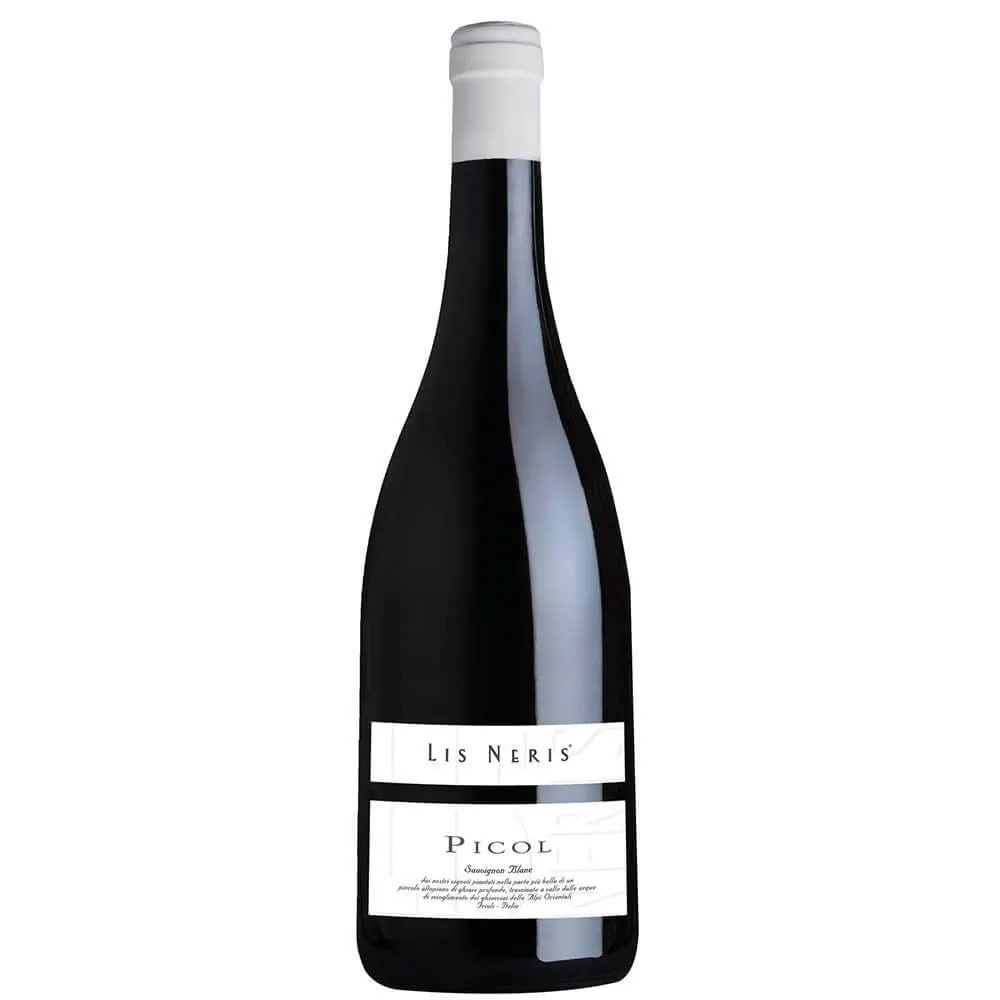
Lis Neris - Picol - Sauvignon Blanc
Vintage
2017
Size
75 cl
Price
€26.40 ex. VAT
In stockIn stock
Tasting notes
Balanced, fresh and beautifully fragrant, the Lis Neris 2017 Friuli Isonzo Sauvignon Blanc Picol presents a terrific portrait of a grape. Sauvignon Blanc from northeast Italy tends to show softer, creamier lines with lots of passion and orchard fruit packed tight within. That's exactly what you get here. This isn't one of those green and punchy expressions of the grape that you might recognize from other parts of the wine world. Instead, the Picol prioritizes peach, honey and melon. It shows the enhanced but subtle fullness of the Friuli Isonzo growing area with its alluvial soils from the Isonzo River.
More information
Provenance
- Type
- White
- Producer
- Lis Neris
- Country
- Italy
- Appellation
- Venezia Giulia IGT
- Region
- Friuli-Venezia Giulia
Technical
- Vintage
- 2017
- Grapes
- Sauvignon Blanc
- ABV
- 13.5%
- Size
- 75cl
- Ageing
- Serving
- 10° - 12° C
- Drinking window
Food pairings
Key characteristics
About this wine
Lis Neris is a family-run winery located in Friuli Venezia Giulia, Italy. Founded in the late 1960s by the Neris family, the winery has been producing high-quality wines for over 50 years. The Lis Neris Picol Sauvignon Blanc is a classic example of the winery's style.
This white wine is made from 100% Sauvignon Blanc grapes, grown in the Friuli Grave region. The grapes are harvested by hand and then fermented in stainless steel tanks. The result is a crisp and refreshing white wine with aromas of citrus, green apple, and white flowers. On the palate, the wine is light and fresh, with a pleasant acidity and a long, mineral finish.
The Lis Neris Picol Sauvignon Blanc is a great choice for pairing with seafood, salads, and light appetizers. Its crisp and refreshing flavor makes it a perfect accompaniment to any meal.
More from Lis Neris
View all
More from Venezia Giulia IGT
View all
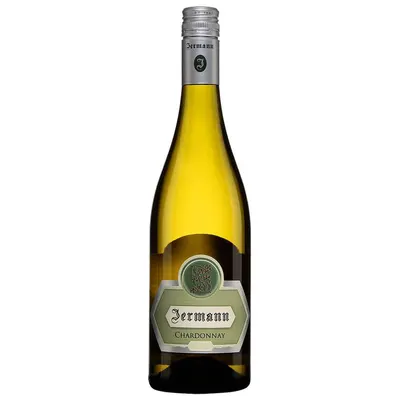

2023 - Jermann - Vintage Tunina - Bianco Venezia Giulia IGT
- 2023
- 75cl
- Chardonnay, Malvasia, Sauvignon Blanc
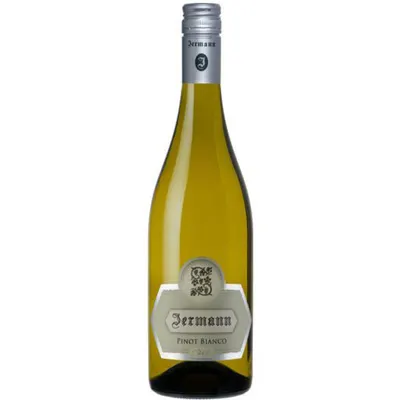
2023 - Jermann - Pinot Bianco - Bianco Venezia Giulia IGT
- 2023
- 75cl
- Pinot Bianco
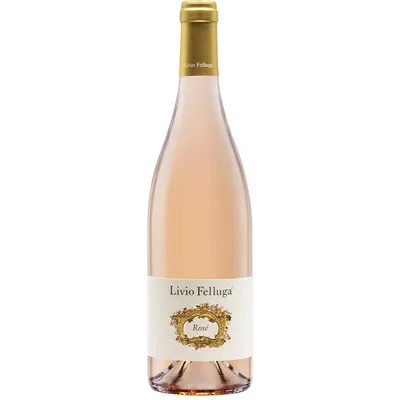
2024 - Livio Felluga - Rosato - Venezia Giulia IGT
- 2024
- 75cl
- Merlot, Pinot Noir
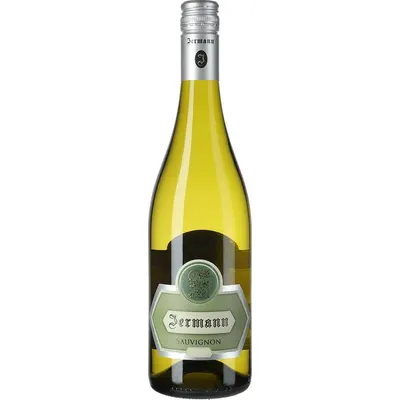
2024 - Jermann - Sauvignon Blanc - Venezia Giulia IGT
- 2024
- 75cl
- Sauvignon Blanc
Behind the bottle

Producer
Lis Neris
Lis Neris is a winery based in the Friuli-Venezia Giulia region of northeastern Italy, producing wines under the Venezia Giulia IGT appellation. This estate operates in one of Italy's most prestigious white wine regions, where…
Explore Lis Neris
Region
Friuli-Venezia Giulia
Friuli Venezia Giulia is a region located in the northeastern part of Italy, bordering Austria and Slovenia. The region is known for producing high-quality white wines, particularly those made from the Friulano grape variety…
Explore Friuli-Venezia Giulia
Appellation
Venezia Giulia IGT
Venezia Giulia IGT is a regional wine classification covering the entire Friuli-Venezia Giulia region in northeastern Italy, bordering Austria and Slovenia. This IGT designation allows winemakers greater flexibility than the…
Explore Venezia Giulia IGT