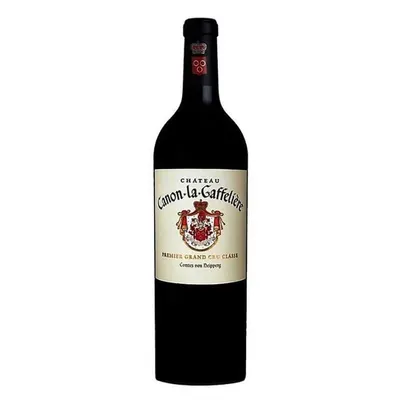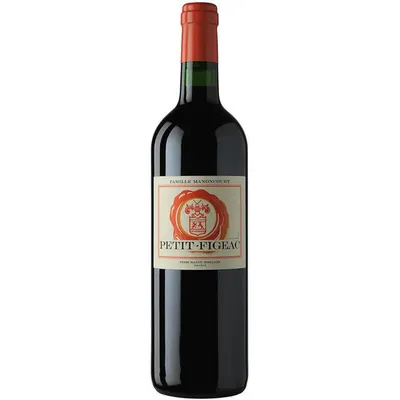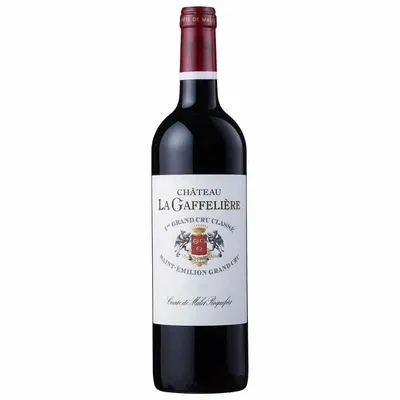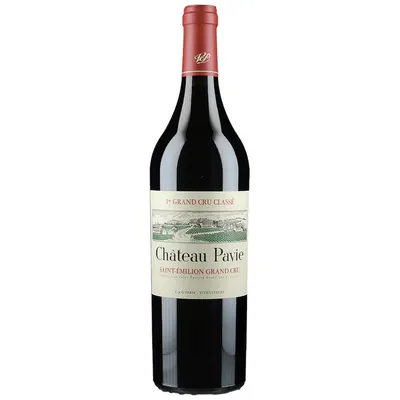
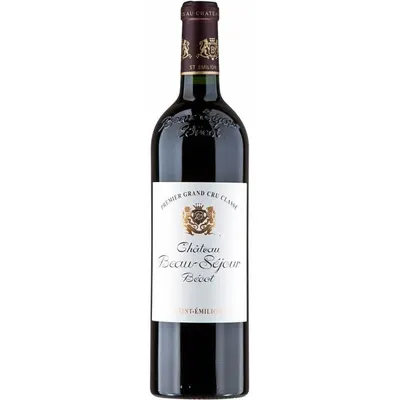
2012 - Château Beau-Séjour Bécot - Saint-Emilion - Grand Cru
- 2012
- 75cl
- Cabernet Franc, Cabernet Sauvignon, Merlot
Sorry, we can only welcome visitors who are 18 or over.
Oops, I entered incorrectly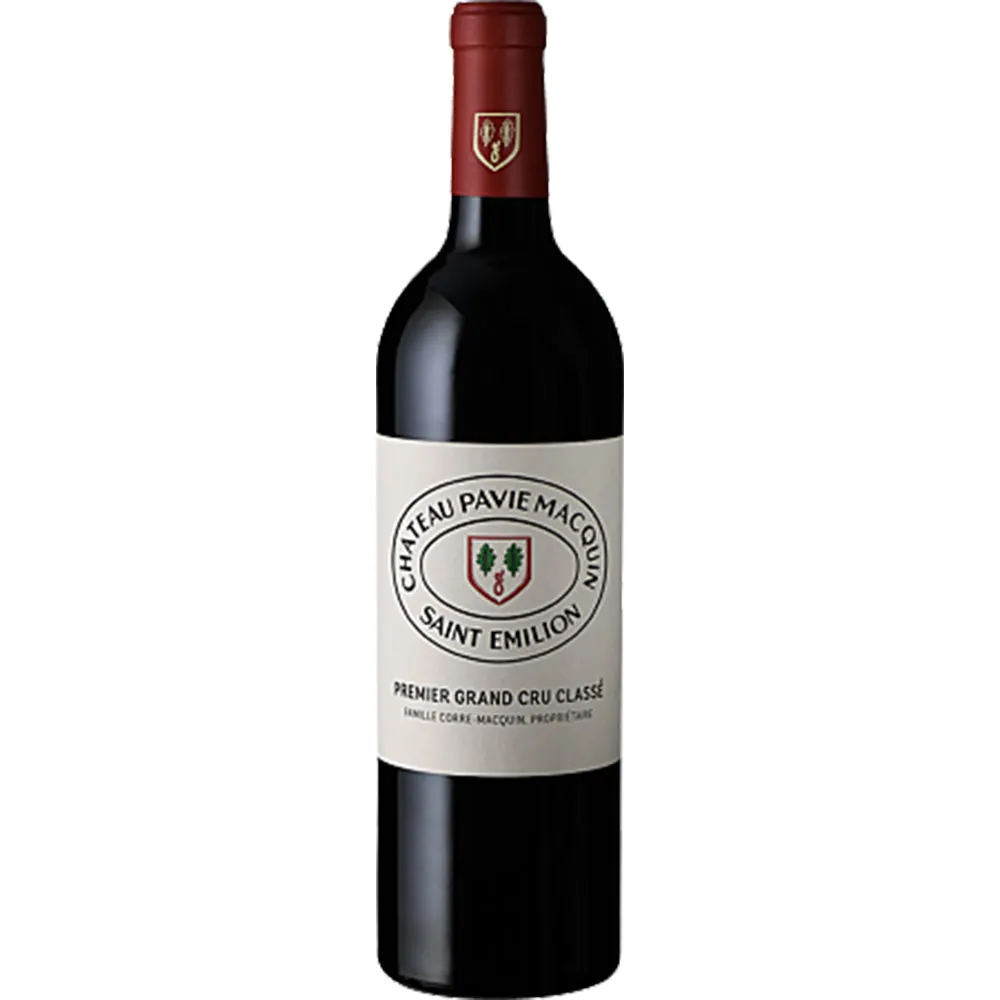
Vintage
Size
Price
€104.40 ex. VAT
In stockIn stock
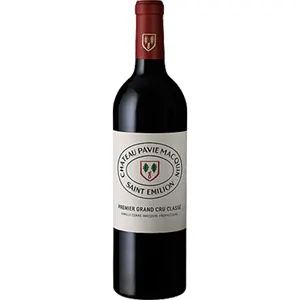
The 2021 Pavie Macquin offers up aromas of cherries, blackberries and raspberries mingled with mint, spices and bay leaf. Medium to full-bodied, with a deep core of fruit framed by chalky tannins that assert themselves on the comparatively structured, mineral finish, it's a strong effort.
Château Pavie Macquin is a prestigious Saint-Émilion estate renowned for crafting elegant, full-bodied red wines that exemplify the finest characteristics of Bordeaux. Situated on the Right Bank, this distinguished château benefits from exceptional terroir, a harmonious blend of clay, limestone, and iron-rich soils that impart complexity and structure to its wines. The estate's commitment to quality winemaking is reflected in its carefully balanced blend of Merlot, Cabernet Franc, and Cabernet Sauvignon, which work in concert to create wines of remarkable depth and refinement.
These Saint-Émilion reds are characterised by their warming, full-bodied profile with layers of red and black fruit complemented by subtle spice. The Cabernet Franc and Cabernet Sauvignon provide backbone and elegance, while Merlot contributes richness and approachability. With an alcohol content of 14.5%, these wines offer excellent balance and are built for both immediate enjoyment and cellaring. The versatility of Château Pavie Macquin makes it an ideal companion to an impressive range of dishes: from rich lamb and duck to aged cheeses, charcuterie, truffle-based preparations, and mushroom risotto. Whether gracing a yacht's dining table or completing a villa dinner party, this Saint-Émilion delivers sophistication in every glass.
Producer
Château Pavie Macquin is a wine estate located in Saint-Émilion on Bordeaux's Right Bank. The property sits on the limestone plateau and côtes of this prestigious appellation, producing red wines from traditional Bordeaux grape…
Explore Château Pavie MacquinRegion
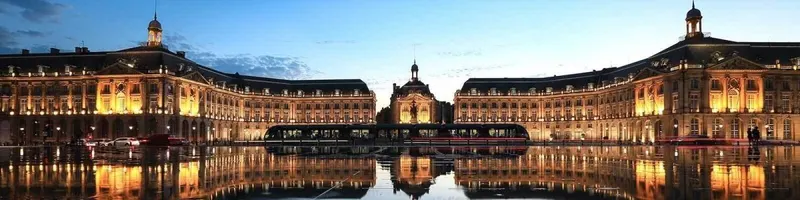
Bordeaux, in the southwest of France, needs little introduction as one of the world's most famous, prestigious and prolific wine regions. The majority of Bordeaux wines (nearly 90 percent of production volume) are the dry…
Explore BordeauxAppellation
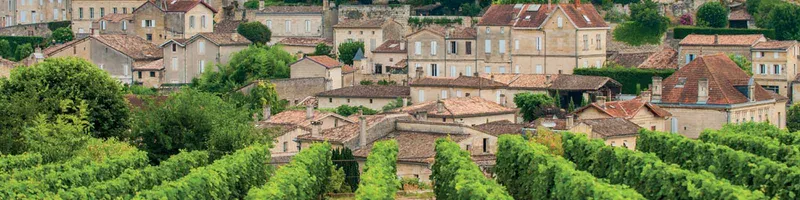
Saint-Émilion is one of Bordeaux's most historic wine appellations, located on the Right Bank of the Dordogne River approximately 40 kilometers east of Bordeaux city. The appellation encompasses the medieval town of…
Explore Saint-Emilion