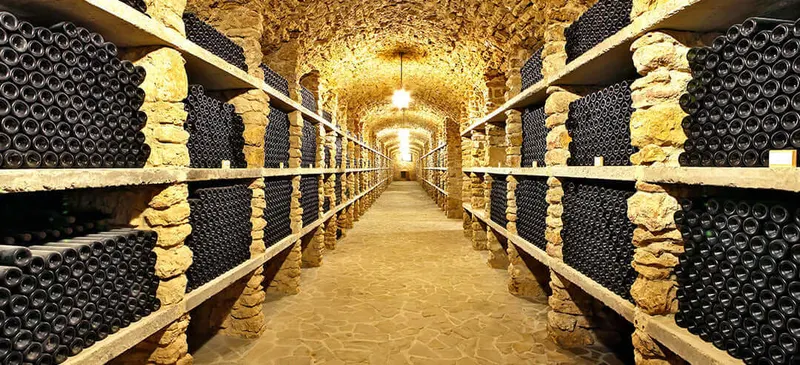
A wine collection is usually built slowly, one case at a time, and valued by nobody until the day it matters: a claim after a fire or a theft, an estate to settle, a house to sell or a decision to thin the cellar. At that point the owner discovers that the lovely bottles in the racks are very hard to prove, price or insure without a record. This guide explains how to document, value and protect a collection, from a few cases to a serious cellar, and what a buyer or insurer will ask to see.
Start with a proper inventory
A good inventory is a spreadsheet or a cellar app that records, for every wine:
- Producer, wine name and appellation.
- Vintage, bottle size and number of bottles.
- Where it was bought, when and at what price, with the invoice saved.
- Where it is stored, and where it has been stored before.
- A drinking window, so that you know what to open this year.
- Condition notes, such as fill level, label condition and capsule, for older bottles.
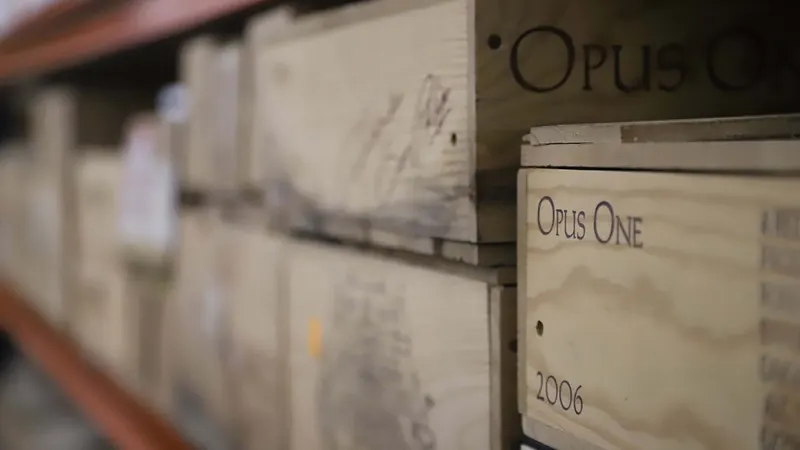
Keep the invoices with the inventory, either as scans or in a folder. Photographs of the cellar and of high value bottles and cases, including the labels and the original wooden case where there is one, are the best evidence you can have after a loss. Our practical checklist for setting up a home cellar includes a record from day one.
Why provenance and storage drive value
Two bottles of the same wine and vintage can be worth very different amounts. Buyers pay for evidence that a bottle has been stored well and has a clean history: bought from a reputable merchant, kept at a steady temperature and humidity, and never moved through heat. A bottle that cannot show where it has been is priced with that doubt. We cover this in detail in wine provenance and storage, and it is the single biggest reason to keep records.
Three kinds of value
- Purchase cost: what you paid. Useful for your own records and for accountants, but not a guide to the current price.
- Market value: what the wine would fetch if sold now. This depends on condition, provenance and the demand for that wine and vintage, and it is established from recent auction results, merchant prices and offers from specialists.
- Replacement value: what it would cost to buy the same bottle again from a reputable source. This is usually the figure an insurer needs, and it can be higher than market value for sought after wines.
Prices move, so a valuation is a snapshot. Revisit the figures at least once a year, and after any large addition.
Insuring a collection
Ordinary home contents policies often cap or exclude wine, or cover it only at a general sum that falls far short of the real value. Before you rely on a policy:
- Ask the insurer in writing what is covered, up to what amount, and for which risks, including theft, fire, flood, breakage and temperature failure.
- Ask whether the policy pays an agreed value or the market value at the time of the loss.
- Provide the inventory and valuation, because an insurer will ask for proof.
- Consider a specialist collections policy if the cellar is large or valuable.
- Check whether bottles held in storage with a third party are covered by the provider, by you, or by both.
We are not insurance advisers, and your own broker should confirm what your policy does. What we can say is that a documented, photographed and recently valued collection makes every part of the conversation easier. The scale of a loss is a reminder: our report on the Antinori wine theft shows what a collection of rare bottles can represent.
Where the wine is kept matters too
Insurance cover and storage conditions go together. A cellar that holds a steady 12 to 14 degrees and 60 to 75 per cent humidity, in the dark and without vibration, protects the wine and the claim. If you do not have such a space, professional storage is the simple answer. Our climate-controlled storage near Antibes costs €24 per case per year ex VAT, with cover available up to €100,000 and every bottle documented in and out, and the detail is on our private wine cellar setup page. Our broader approach to private clients is on the wine for private collectors page.
Before you buy: buy with records in mind
- Buy from sources who can invoice every bottle and say where it came from.
- Keep original packaging for valuable wines where you can.
- Buy en primeur or in stock with the paperwork in mind. Our article on en primeur versus buying in stock explains the trade-offs.
- Note the storage of any wine before it came to you, especially older bottles.
If you are starting from scratch, our guide on how to start a fine wine collection begins with this advice.
When it is time to sell
Selling is where records turn into money. A buyer will ask for a list of what you have, the vintage and format, photographs and the history of storage, and will usually offer more where the evidence is strong. If you are downsizing, relocating or settling an estate, we buy well stored collections, and you can send us the inventory through our page on selling your wine collection. For the other direction, if you are looking for a specific bottle to complete a set, see our rare wine sourcing service.
A simple annual routine
- Update the inventory after every purchase and every bottle opened.
- Photograph new high value bottles on arrival.
- Refresh valuations once a year.
- Send the updated sum to your insurer.
- Check the storage conditions and the log.
Frequently asked questions
How do I find out what my wine collection is worth?
Start with a complete inventory, then compare each wine against recent auction results, merchant prices and specialist offers, allowing for condition and provenance. A specialist merchant can give you a written valuation.
Does home insurance cover wine?
Often only partly. Many policies cap wine at a general amount or exclude certain risks. Ask your insurer in writing and consider a specialist policy for a valuable cellar.
What records do insurers want?
An itemised inventory with vintages and formats, purchase invoices, photographs and a recent valuation.
Can professional storage help with insurance?
Yes. Professional storage with documented conditions and cover simplifies a claim and protects the wine. Check what the provider covers and what you must cover yourself.