

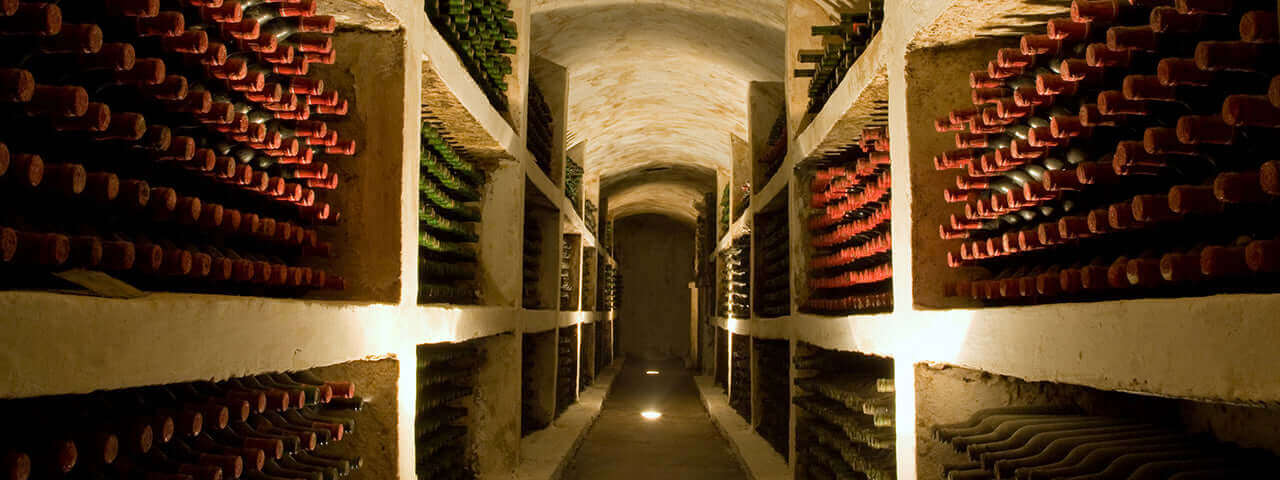
Wie man eine edle Weinkollektion aufbaut: Ein praktischer Leitfaden
Die meisten Ratschläge zum Aufbau einer Weinsammlung beginnen mit berühmten Namen. Unsere beginnen mit einer Frage: Was trinken Sie eigentlich? Ein Keller, der um Ihren Tisch herum aufgebaut ist, wird geöffnet und genossen. Ein Keller, der um eine Punkteliste herum aufgebaut ist, sammelt Staub — teuer.
Beginnen Sie mit Ihrem Trinkverhalten
Bevor Sie auch nur eine einzige Kiste kaufen, schreiben Sie die letzten zehn Flaschen auf, die Sie wirklich geliebt haben. Diese Liste sagt Ihnen mehr als jeder Kritiker. Falls acht davon White Burgundy waren, sollte Ihr erster Keller nicht zur Hälfte aus Napa Cabernet bestehen. Sammeln Sie basierend auf Ihrem eigenen Gaumen — Sie können sich später noch breiter aufstellen.
Die 60/30/10-Regel
Eine sinnvolle Grundstruktur für einen ersten Keller:
- 60% Trinkweine — Flaschen für heute und dieses Jahr. Village Burgundy, cru Beaujolais, Chianti Classico, Loire-Weißweine, Grower Champagne. Die Weine, die einen Keller zu einem lebendigen Ort statt zu einem Museum machen.
- 30% Lagerweine — Weine, die fünf bis zehn Jahre belohnen: Classed-Growth Bordeaux, premier cru Burgundy, Barolo, nördliche Rhône Syrah, Top German Riesling.
- 10% Trophäen — die Flaschen, die Sie nach zehn Jahren und darüber hinaus überraschen werden. First Growths, grand cru Burgundy, Vintage Champagne, Cult California. Mit Bedacht gekauft, wenn möglich aus Allocation.
Was das Geld aufbaut
Ungefähre, ehrliche Zahlen aus unseren eigenen Vorschlägen:
- €5.000 — ein seriöser Trinkkeller: 15–20 Kisten über Frankreich und Italien verteilt, mit zwei oder drei Lagerweinen darin.
- €20.000 — eine echte Sammlung: Tiefe in zwei oder drei Regionen, die Sie lieben, begonnene Vertikalen, richtige Trophäen-Flaschen, große Formate für besondere Anlässe.
- €100.000 — ein Keller, der einen Plan braucht: Allocations, En-Primeur-Positionen, professionelle Lagerung und dokumentierte Herkunft durchgehend.
Herkunft von Anfang an
Der häufigste Fehler, den neue Sammler machen, ist der Kauf alter Flaschen aus unbekannter Lagerung. Eine €500-Flasche, die drei Sommer in einer Garage in der Provence verbracht hat, ist eine €50-Flasche mit schöner Handschrift. Kaufen Sie bei Händlern, die Ihnen sagen können, wo der Wein gewesen ist — und lagern Sie das, was Sie kaufen, von der ersten Kiste an richtig. Unsere klimatisierte Lagerung kostet €24 pro Kiste pro Jahr; eine verdorbene Kiste kostet mehr.
Nutzen Sie das Allokationsnetzwerk Ihres Händlers
Die Weine, die an Wert gewinnen — und diejenigen, die einen Keller zum Klingen bringen — sind meist allokkiert: Top Burgundy, First Growths, Prestige und Grower Champagne, Cult California. Man kann sie nicht kaufen, indem man sie sich wünscht; man kauft sie durch Beziehungen. Hier verdient sich ein Händler seine Sporen. Wir liefern Domaine de la Romanée-Conti, Pétrus, Krug Clos d'Ambonnay und Screaming Eagle an Superyachten — dasselbe Netzwerk funktioniert auch für private Sammler.
Drei Regeln zum Beibehalten
Kaufen Sie in Dreier- oder Sechserpacks, nicht einzeln — Sie werden Weine gerne in ihrer Entwicklung beobachten wollen. Führen Sie von Anfang an ein einfaches Notizbuch; Ihr zukünftiges Ich wird dankbar sein. Und trinken Sie Ihren Wein — die traurigsten Keller, die wir bewerten, sind diejenigen, in denen alles für einen Anlass aufbewahrt wurde, der nie wirklich kam.
Bereit zu beginnen? Sprechen Sie mit unserem Team — sagen Sie uns, was Sie trinken und was Sie ausgeben möchten, und wir schlagen Ihnen einen ersten Keller mit exakten Flaschen und Preisen vor.

