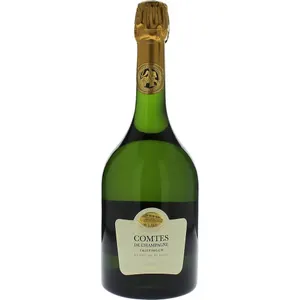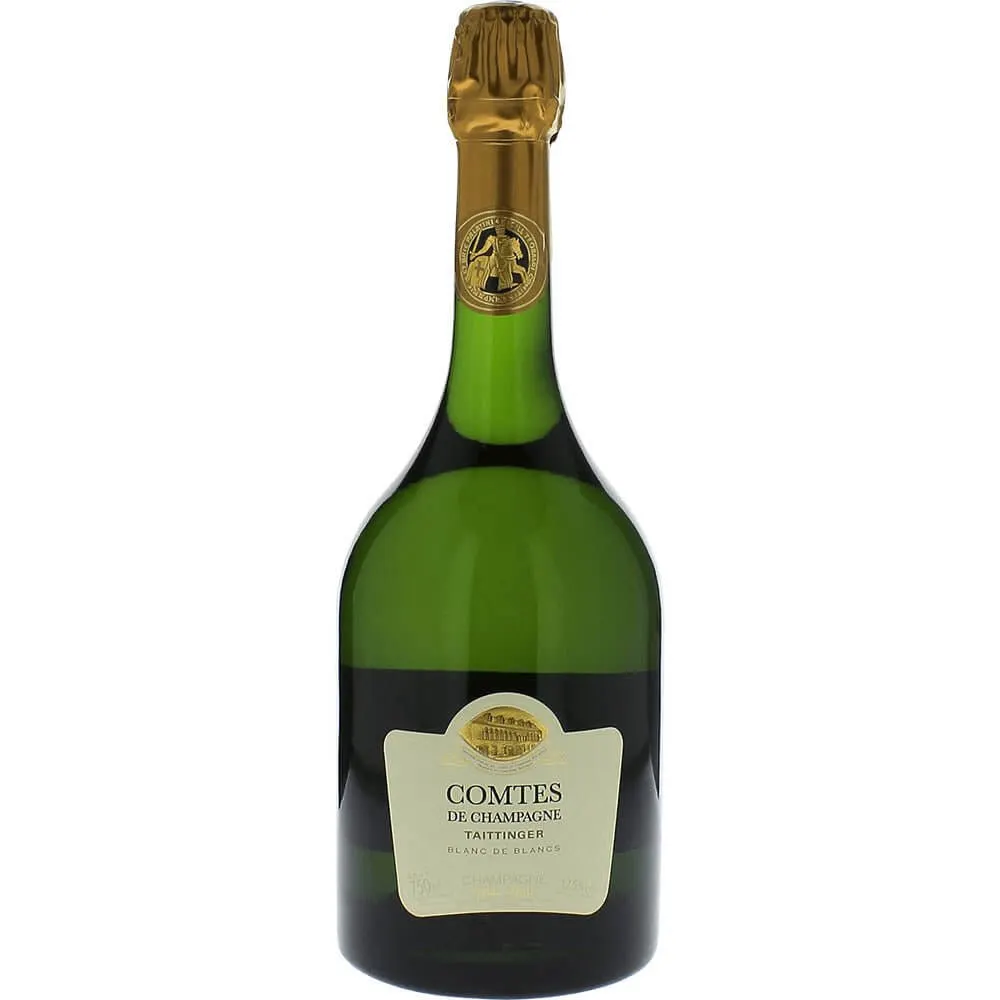
Taittinger - Comtes de Champagne - Grand Cru - Blanc de Blancs

96 RP Points
96 RP Points
92 RP Points
94 RP Points
95 RP Points
Taittinger - Comtes de Champagne - Blanc de Blancs - 2008 - 75cl - Onshore Cellars

Taittinger - Comtes de Champagne - Grand Cru - Blanc de Blancs

Vintage
Size
Precio habitual €201.72
Price on application/
  • En stock
  • Inventario en el camino
Impuesto incluido. Los gastos de envío se calculan en la pantalla de pagos.

Tasting Notes

Loading tasting notes…

Loading tasting notes…

Loading tasting notes…

Loading tasting notes…

Loading tasting notes…

Loading tasting notes…

Loading tasting notes…

Más información

Provenance
Type
Country
Appellation
Producer
Style
Grand Cru, Blanc de Blancs, Brut
Technical
Grapes
ABV
12.5%
Serving
8° - 10° C
Drinking
2022 - 2037
Food Pairings
ShellfishLobsterGoat CheeseCrabFresh Herbs and Aromatic DishesCitrus-Based Dishes
Key Characteristics
["Fine mousse""Brioche""Medium-bodied""Brut"]

La Historia de la Botella

Taittinger

Taittinger

Taittinger is one of the most famous Champagne brands in the world, and one of the largest wineries in the Champagne region. Founded in 1932 by Pierre Taittinger,...

Taittinger is one of the most famous Champagne brands in the world, and one of the largest wineries in the Champagne region. Founded in 1932 by Pierre Taittinger, the estate is located in Riems with vineyards covering approximately 290 hectares distributed across the Champagne appellation.

Pierre Taittinger, an officer and prominent politician in 1915, didn’t foresee a life in winemaking, but after being assigned to the chief of staff based at Château de la Marquetterie, Pierre Taittinger fell in love. He decided to buy the property and its surroundings from the wine house Forest-Fourneaux and start a family legacy.

François Taittinger, Pierre’s son, took over the family business in 1945 and forged the signature style of the house. He was responsible for making Chardonnay their flagship grape because he was convinced of the potential that this variety would have among the consumers in the 20th century. After his untimely death in 1960, his bother Claude started managing the company until 2005, when was sold to a private investment firm. The new ownership didn’t seem compatible with Taittinger’s standards of quality and it’s for this reason that the Taittinger Family decided to buy back ownership in 2006.

Taittinger’s aim has always been the pursuit of excellence, as Pierre Emmanuel Taittinger, current Honary Chairman, sates:

“Having our family name on a bottle places demands and responsibilities on every minute. The name on the bottle conveys both the skills and knowledge of the past and a commitment to the future”.

Taittinger
Our collection of Champagne - Find this at Onshore Cellars your yacht wine supplier

Champagne

En 1668, se dice que Dom Pérignon descubrió cómo hacer vino espumoso; hoy en día su técnica se utiliza en todo el mundo, aunque Champagne continúa produciendo algunos...

En 1668, se dice que Dom Pérignon descubrió cómo hacer vino espumoso; hoy en día su técnica se utiliza en todo el mundo, aunque Champagne continúa produciendo algunos de los mejores. La región vinícola más septentrional de Francia, Champagne es ahora el hogar de 15.000 viticultores y 290 'casas'. Generalmente se requiere una mezcla de variedades de uva: Chardonnay blanco para añadir fruta y elegancia, y dos tintos – Pinot Noir y Pinot Meunier – para proporcionar cuerpo y estructura.

Explora Champagne
Champagne

Champagne

Champagne es una región en el noreste de Francia, aproximadamente 140 kilómetros al noreste de París, definida por límites geográficos estrictos establecidos bajo la ley francesa de denominación...

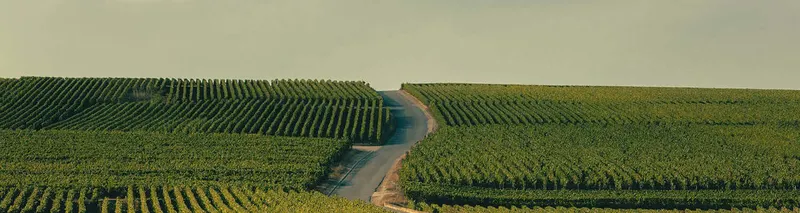
Champagne es una región en el noreste de Francia, aproximadamente 140 kilómetros al noreste de París, definida por límites geográficos estrictos establecidos bajo la ley francesa de denominación de origen. El clima continental fresco de la región y sus suelos calcáreos crean condiciones únicamente apropiadas para la producción de vinos espumosos. La designación "Champagne" está protegida legalmente y se aplica únicamente a los vinos producidos dentro de estos límites delimitados utilizando métodos prescritos.

El subsuelo calcáreo de la región —compuesto en gran medida por caliza cretácea— drena rápidamente y refleja el calor, ayudando a madurar las uvas a pesar del clima fresco. Tres variedades de uva dominan: Chardonnay, Pinot Noir y Pinot Meunier, frecuentemente mezcladas aunque los vinos Blanc de Blancs utilizan Chardonnay exclusivamente. El método distintivo de Champagne implica una fermentación secundaria en botella (méthode champenoise), donde la levadura y el azúcar crean carbonatación y desarrollan sabores complejos con el tiempo. El envejecimiento prolongado en lías desarrolla aún más la textura y los aromas. Los productores clasifican los viñedos en designaciones Premier y Grand Cru basadas en evaluaciones históricas de calidad, y los vinos terminados se etiquetan por nivel de dosage —que van desde Extra Brut (muy seco) pasando por Brut, Sec y Demi Sec (progresivamente más dulces).

Los vinos de Champagne se caracterizan por una acidez alta, burbujas finas y complejidad estratificada. Los perfiles de sabor típicos incluyen manzana verde, cítricos y mineralidad de tiza en expresiones más jóvenes o ligeras, evolucionando hacia notas de brioche, tostado y miel con el envejecimiento en botella. La interacción entre la acidez del vino, la efervescencia persistente y los caracteres autolíticos del envejecimiento con levadura crea una fineza textural distintiva que distingue a Champagne de otros vinos espumosos producidos en otros lugares.

Leer más