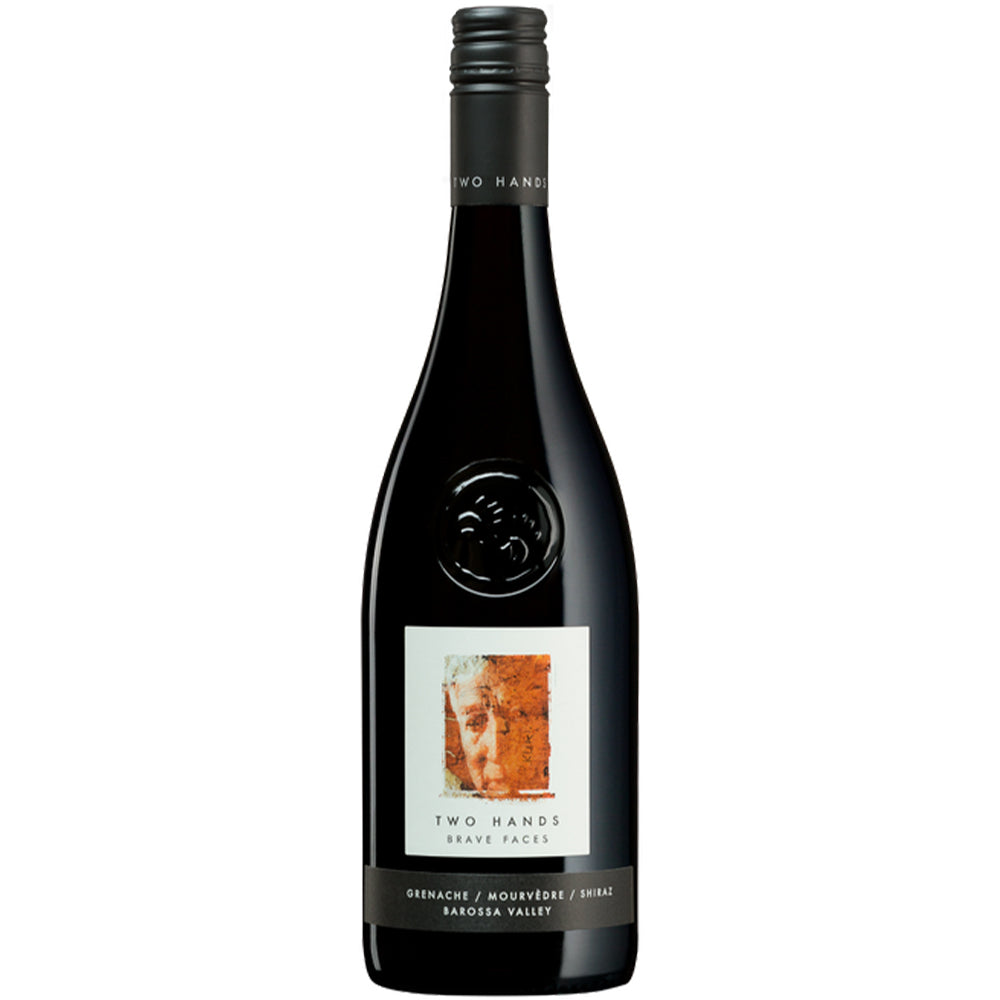
Two Hands - Brave Faces - GSM - Barossa Valley

92 RP Points
Two Hands - Brave Faces - GSM - Barossa Valley

Two Hands - Brave Faces - GSM - Barossa Valley

Vintage
Size
Regular price 118,00 zł
Price on application/
  • In stock
  • Inventory on the way
Tax included. Shipping calculated at checkout.

Tasting Notes

Loading tasting notes…

More information

Provenance
Type
Red
Country
Appellation
Producer
Technical
ABV
13.8%
Serving
16° - 18° C
Key Characteristics
["Light intensity""Red fruit""Peppery""Rose""Creamy""Leesy"]

Behind the bottle

Our collection of South Australia - Find this at Onshore Cellars your yacht wine supplier

South Australia

South Australia produces approximately half of the nation's wine and encompasses several of the country's most significant wine regions. Located in the southern portion of the continent, the...

South Australia produces approximately half of the nation's wine and encompasses several of the country's most significant wine regions. Located in the southern portion of the continent, the state stretches from the cooler maritime-influenced zones near Adelaide to the warmer continental areas inland. The wine industry here dates back to the 1840s with German and British settlers establishing many of the foundational vineyards that continue to operate today.

The state's diverse geography creates distinct microclimates across its major wine regions. The Barossa Valley and McLaren Vale experience warm, Mediterranean-style conditions ideal for full-bodied reds, while the Adelaide Hills and Eden Valley benefit from higher elevations that provide cooler temperatures suitable for elegant whites and refined reds. Clare Valley is renowned for its limestone-rich soils and diurnal temperature variation, while Coonawarra's famous terra rossa soil over limestone creates unique conditions for premium Cabernet Sauvignon.

Shiraz dominates red wine production throughout South Australia, expressing different characters depending on the specific region and vineyard site. The state also produces notable Grenache, Cabernet Sauvignon, and GSM blends, particularly in warmer areas like Barossa and McLaren Vale. White varieties include distinguished Riesling from Clare Valley and Eden Valley, along with Chardonnay from cooler sites in the Adelaide Hills. The combination of old vine material, diverse terroir, and both traditional and modern winemaking approaches allows South Australia to produce wines ranging from powerful, age-worthy reds to crisp, mineral-driven whites.

Explore South Australia
Barossa Valley - Onshore Cellars

Barossa Valley

The Barossa Valley is located in South Australia, approximately 60 kilometers northeast of Adelaide. Established as a wine region in the 1840s by German and English settlers, it...

The Barossa Valley is located in South Australia, approximately 60 kilometers northeast of Adelaide. Established as a wine region in the 1840s by German and English settlers, it encompasses roughly 25,000 hectares of vineyard land across an valley floor and surrounding hills. The region operates under Australia's Geographic Indications system and is considered one of the country's most significant wine-producing areas.

The valley enjoys a warm, dry Mediterranean climate with hot summers and mild winters. Soils vary considerably across the region, ranging from red-brown earths and grey sandy loams on the valley floor to rockier soils with better drainage on the hillsides. Shiraz is the dominant grape variety, planted on approximately 40% of vineyard area, followed by Cabernet Sauvignon, Grenache, and Mourvèdre. Many vineyards contain old vines, some dating back to the 1840s, which contribute concentration and complexity to the wines.

Barossa Valley wines are characterized by their full-bodied, robust style with intense fruit flavors. Shiraz from the region typically displays rich blackberry and plum characteristics with notes of chocolate, spice, and often distinctive eucalyptus or mint aromatics. The warm climate produces wines with generous alcohol levels and soft tannins. Traditional GSM blends combining Grenache, Shiraz, and Mourvèdre offer additional complexity, while the addition of Viognier to some Shiraz bottlings contributes floral aromatics and enhanced color stability.

Read more