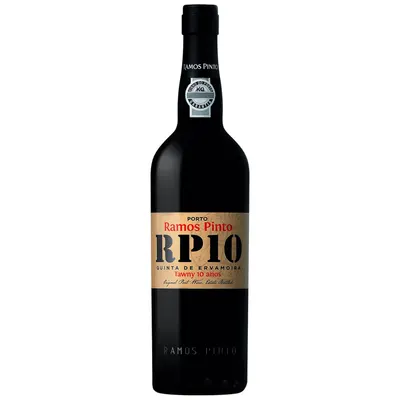
Ramos Pinto - Port - Quinta de Ervamoira - 10 yrs Tawny
- 10 yrs
- 75cl
- Portuguese Red Blend
Sorry, we can only welcome visitors who are 18 or over.
Oops, I entered incorrectly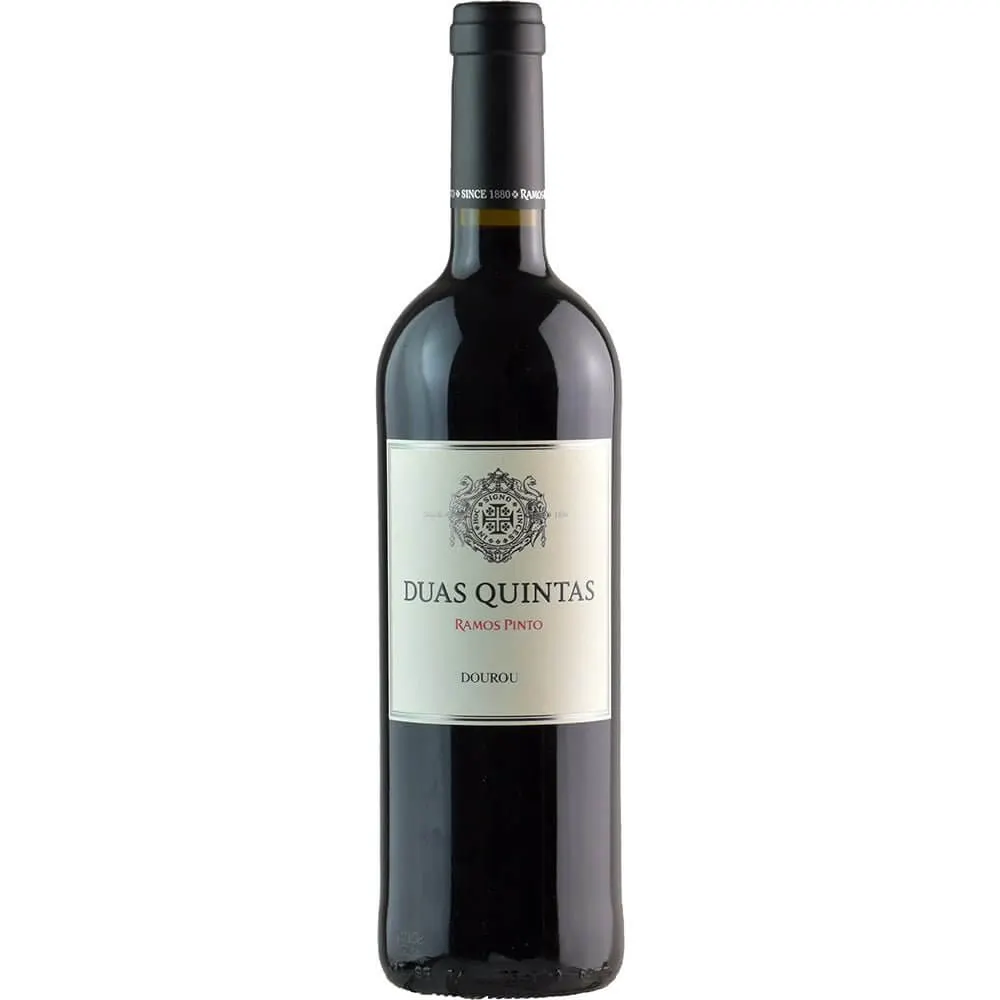
Vintage
Size
Price
€21.60 ex. VAT
In stockIn stock
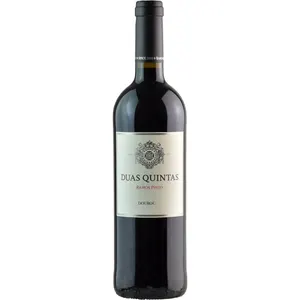
Deep, dark red with vivid ruby reflections, clear and bright. Concentrated and complex, featuring ripe fruit notes such as blackberries, cherries, plums, and figs, complemented by floral hints of sweet violet and fresh nuances of citrus and eucalyptus. Dense and fresh, with intense fruit flavours, mature tannins, and a long, fresh finish. Silky tannins provide a smooth texture, leading to a persistent finish with hints of red fruits like cherries.
Discover the depth and richness of Ramos Pinto - Duas Quintas - Tinto, crafted by the renowned Ramos Pinto. This exquisite red wine showcases the best of its region, offering a symphony of flavours that include ripe berries, subtle spices, and hints of oak. Perfect for elevating any meal or occasion.
Producer
Ramos Pinto is a Portuguese producer based in the Douro Valley, specializing in Port wines and Douro table wines. The house operates from one of Portugal's most celebrated wine regions, where the steep terraced vineyards along…
Explore Ramos PintoRegion
The Douro Valley in northern Portugal stands as one of the world's oldest demarcated wine regions, officially established in 1756. Located along the Douro River as it winds from the Spanish border toward Porto, this UNESCO World…
Explore Douro