
- Robert Parker (RP) points
- Vinous points
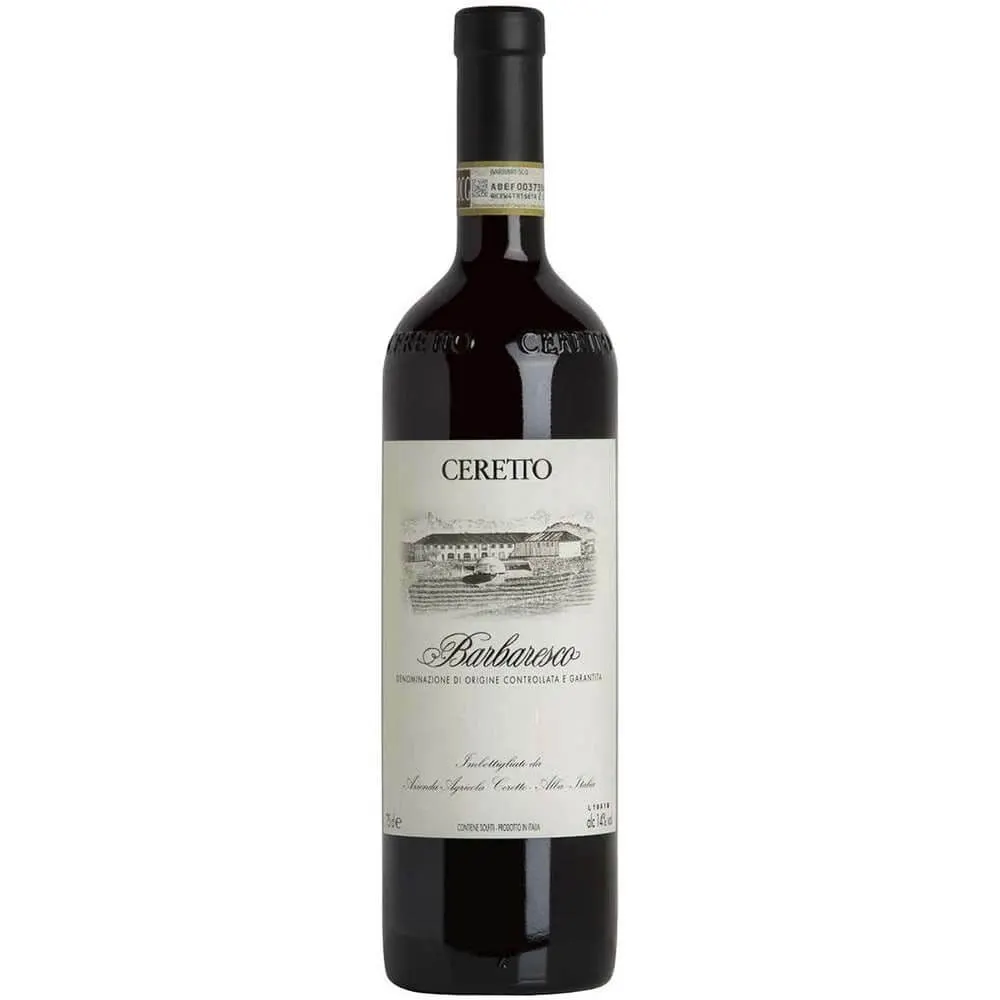
Ceretto - Barbaresco DOCG
Price
€72.00 ex. VAT
In stockIn stock
Tasting notes
The Ceretto Barbaresco is an organic wine that paints a clear picture of a beautiful vintage. Tart cherry, white liquorice and dusty earth lift from the bouquet and give this wine a sharp sense of focus and intensity. Ceretto has released a superb set of Barbarescos this year, starting with this classic expression.
More information
About this wine
Ceretto is a renowned producer of Barbaresco DOCG wines, located in the Piedmont region of Italy. The history of the Ceretto family in winemaking dates back to the early 1900s, when Riccardo Ceretto began producing wine in the Langhe hills. Today, the family is led by brothers Bruno and Marcello Ceretto, who have continued the family tradition of producing high-quality wines.
Barbaresco DOCG is a prestigious appellation in Piedmont, known for producing some of Italy's finest red wines. The wines are made from the Nebbiolo grape, which is known for its tannic structure and complex aromas. Ceretto's Barbaresco DOCG wines are made from grapes grown in the Asili and Bernadot vineyards, which are located in the heart of the appellation.
Ceretto's Barbaresco DOCG wines are known for their elegance and finesse. The wines are aged in oak barrels for a minimum of two years, which gives them a complex aroma of red fruits, spices, and vanilla. On the palate, the wines are full-bodied and well-structured, with a long and persistent finish.
In addition to their Barbaresco DOCG wines, Ceretto also produces a range of other wines from Piedmont, including Barolo DOCG, Langhe DOC, and Moscato d'Asti DOCG. The Barolo DOCG wines are made from Nebbiolo grapes grown in the Barolo appellation, and are known for their power and intensity. The Langhe DOC wines are made from a blend of Nebbiolo and other local grape varieties, and are known for their versatility and approachability. The Moscato d'Asti DOCG wines are sweet, sparkling wines made from Moscato grapes, and are perfect for pairing with desserts.
Overall, Ceretto is a producer of some of Italy's finest wines, with a long history of winemaking and a commitment to quality. Their Barbaresco DOCG wines are particularly noteworthy, and are sure to impress even the most discerning wine connoisseur.
More from Ceretto
View all
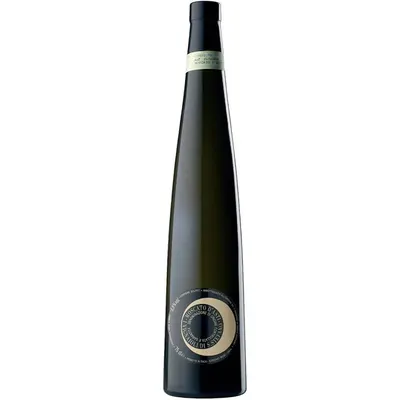
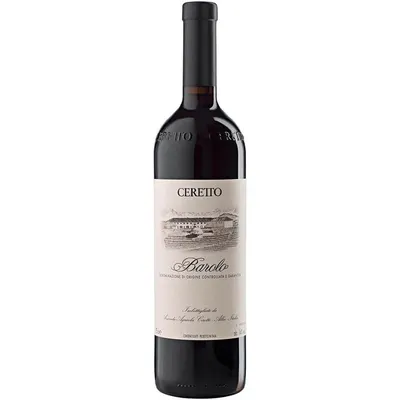
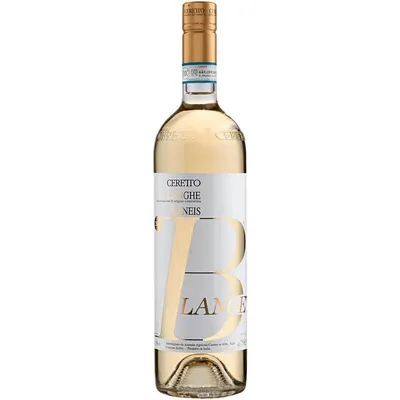
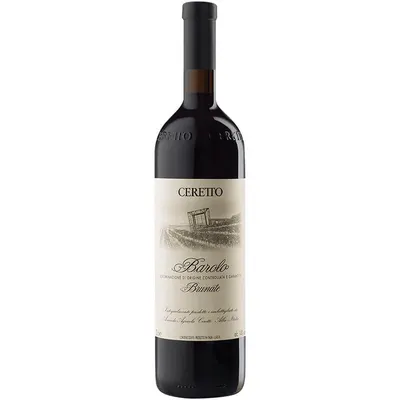
More from Barbaresco DOCG
View all
Behind the bottle
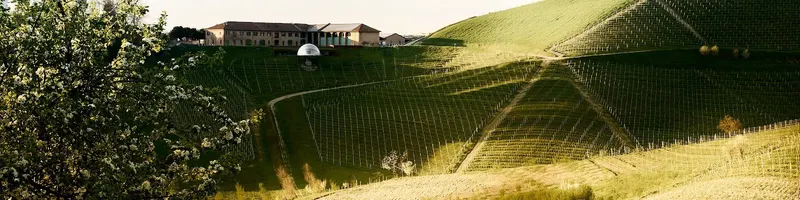
Producer
Ceretto
The business was founded by Riccardo Ceretto in 1937, principally as a négociant in Alba. He was joined by his sons Bruno and Marcello in the 1960s; wanting to make their own wines, they began to buy premium land in Barolo and…
Explore Ceretto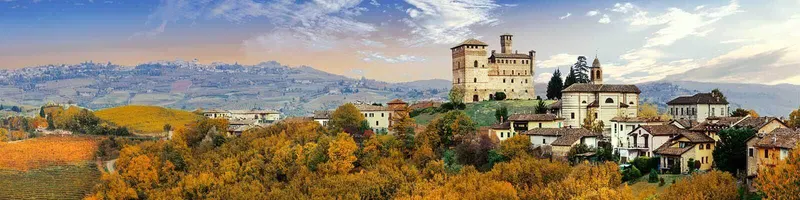
Region
Piedmont
Piemonte (Piedmont) occupies most of northwestern Italy, bordering Switzerland in the north and France in the west and almost reaching the Mediterranean coast. Its capital and largest city is Turin (Torino). In the wine world…
Explore Piedmont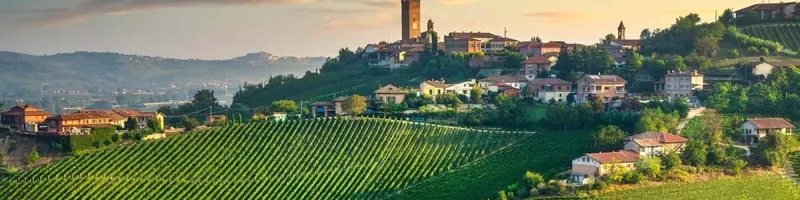
Appellation
Barbaresco DOCG
Barbaresco DOCG is located in the Piedmont region of northwestern Italy, encompassing the communes of Barbaresco, Neive, Treiso, and part of Alba. The appellation was granted DOCG status in 1980, making it one of Italy's most…
Explore Barbaresco DOCG