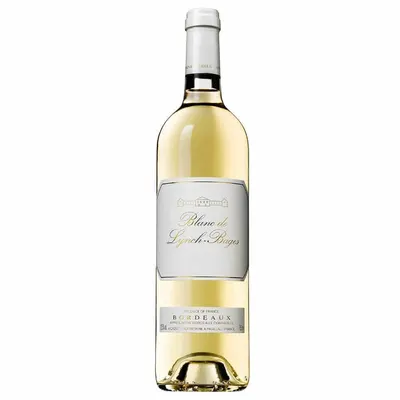
2021 - Château Lynch Bages - Blanc de Lynch Bages
- 2021
- 75cl
- Sauvignon Blanc, Semillon, Muscadelle
Sorry, we can only welcome visitors who are 18 or over.
Oops, I entered incorrectly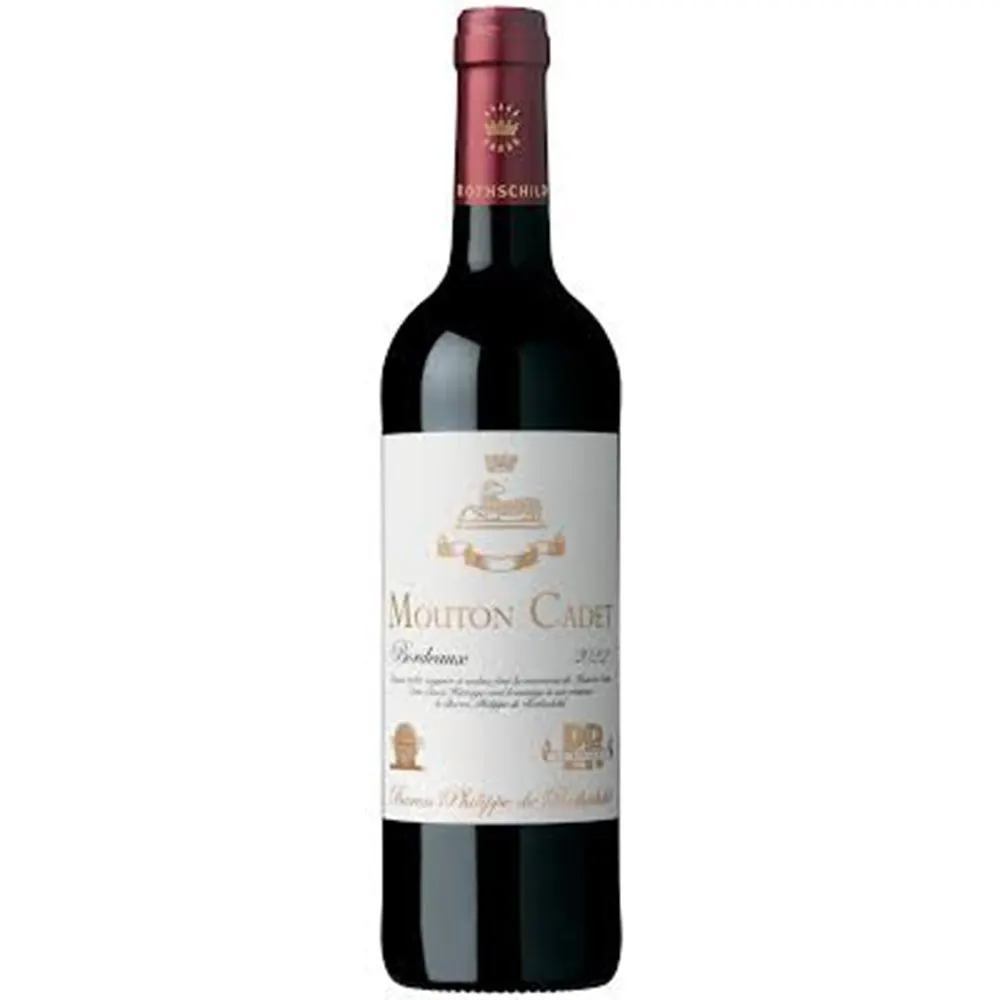
Vintage
Size
Price
€20.40 ex. VAT
In stockIn stock
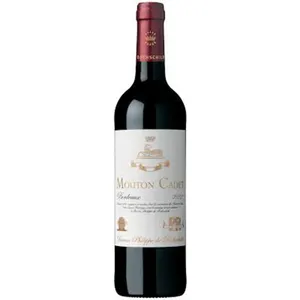
The Heritage cuvée is a blend of several appellations from the Bordeaux region. Each terroir selected by Baron Philippe de Rothschild gives Mouton Cadet a unique character. A blend of selected Bordeaux appellations, this cuvée opens with black fruit aromas, followed by subtle toasted notes. The palate reveals ripe black fruits and spice, building to a dense, finely tannic finish with hints of toast and spice.
Mouton Cadet Heritage Rouge is a classic expression of Bordeaux winemaking, crafted from a carefully balanced blend of Merlot, Cabernet Sauvignon, Cabernet Franc, and Petit Verdot. This red wine embodies the region's commitment to quality and tradition, delivering a full-bodied wine with warming character and approachable elegance.
Grown in the prestigious Bordeaux appellation, this wine showcases the complexity that comes from the region's exceptional terroir. The blend captures black fruit notes with subtle spice, offering both depth and refinement. At 14.5% ABV, it presents a harmonious balance ideal for discerning palates seeking authentic Bordeaux character without unnecessary complexity.
Versatile at the table, Mouton Cadet Heritage Rouge pairs beautifully with beef, lamb, and venison, as well as charcuterie, aged cheeses, and grilled vegetables. Whether enjoyed in a fine dining setting or a private cellar, this Bordeaux red demonstrates why the region remains the gold standard for classic wine production.
Producer
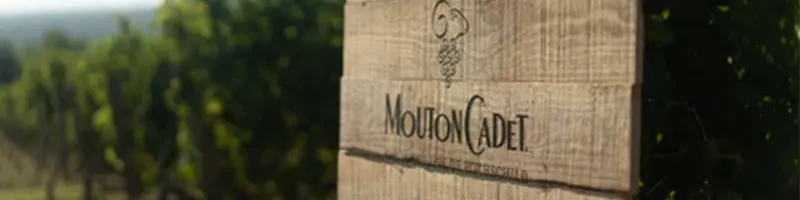
Mouton Cadet is a Bordeaux wine brand that produces wines from France's Bordeaux region. The brand creates accessible Bordeaux wines that showcase the traditional grape varieties and winemaking techniques of this historic wine…
Explore Mouton CadetRegion
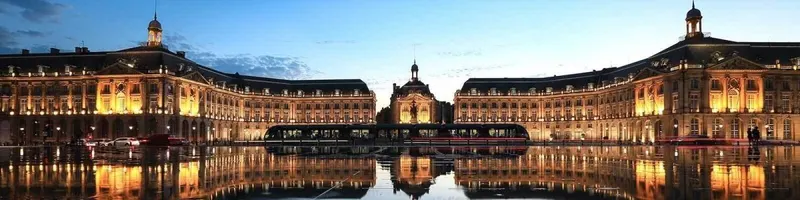
Bordeaux, in the southwest of France, needs little introduction as one of the world's most famous, prestigious and prolific wine regions. The majority of Bordeaux wines (nearly 90 percent of production volume) are the dry…
Explore Bordeaux