
- Robert Parker (RP) points 98
- Vinous points
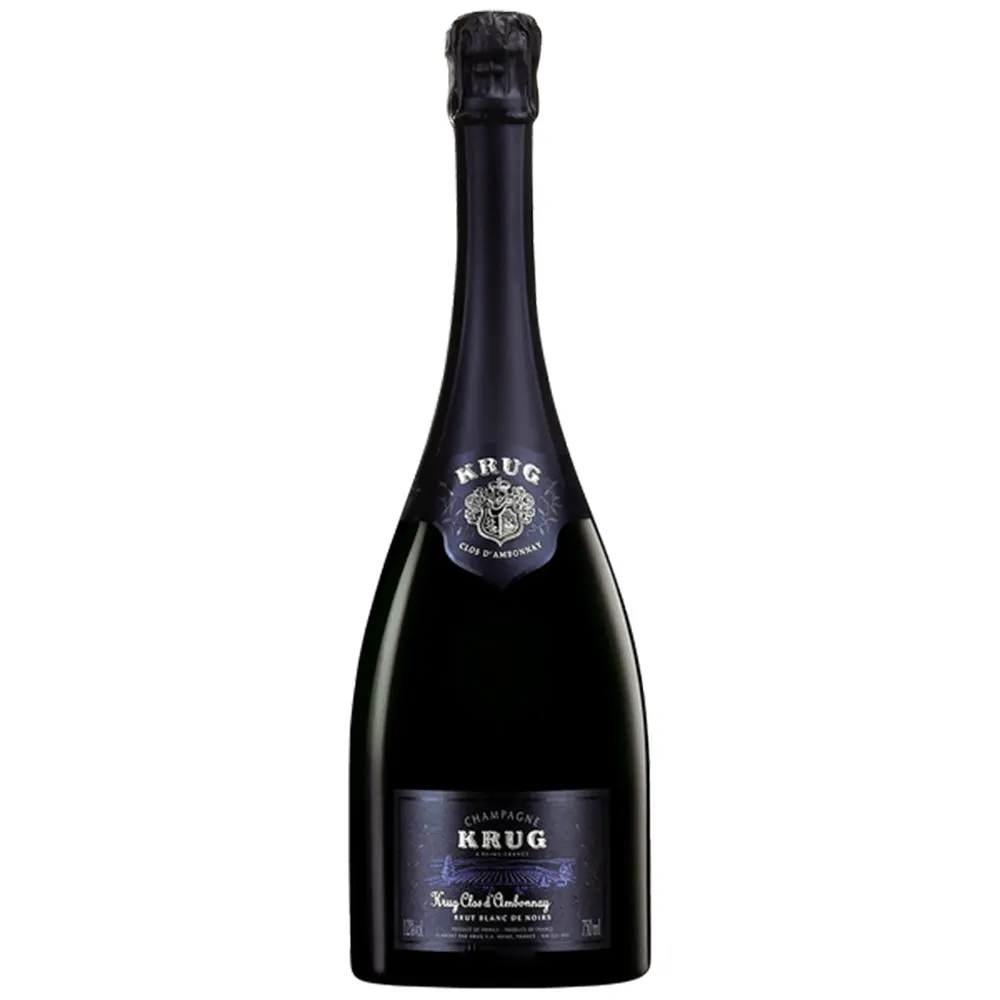
Krug - Clos d'Ambonnay - Blanc de Noirs - Brut
Vintage
2006
Size
75 cl
Price
€4,674.00 ex. VAT
In stockIn stock
Tasting notes
Entirely crafted from Pinot Noir sourced in a single parcel of Clos d'Ambonnay, Krug's 2006 Blanc de Noirs Brut Clos d’Ambonnay is one of my favorite vintages at this address. Evoking aromas of spices, smoke, white fruits, brioche, pastry, dried herbs, plum and ripe orchard fruits, it possesses a full-bodied, round and charming mid-palate framed by a crystalline and pure texture. It has a delicately phenolic mid-palate and pinpoint mousse that leads to a long, mineral and saline finish marked by subtle iodine notes and gastronomic bitterness. Classic and precise, this is purity and elegance incarnate. Though already superb, readers should be patient to enjoy this Champagne at its peak.
More information
About this sparkling wine
The 1995 Brut Blanc de Noirs Clos d’Ambonnay is simply profound from the very first sip. All of the classic Krug elements are there; the signature bouquet, the finesse of the best Clos du Mesnils, but with the broader shoulders of Pinot from Ambonnay. The fruit is intricately layered in sublime, graceful notes of mineral-infused, perfumed berries that linger on the eternal finish. Totally rich and seductive, the 1995 Clos d’Ambonnay is a wine that will stimulate the intellectual and hedonistic senses to the maximum. In a word, it is divine. The 1995 Clos d’Ambonnay is hard to resist today, but it should continue to develop positively in bottles for a number of years.
More from Krug
View all
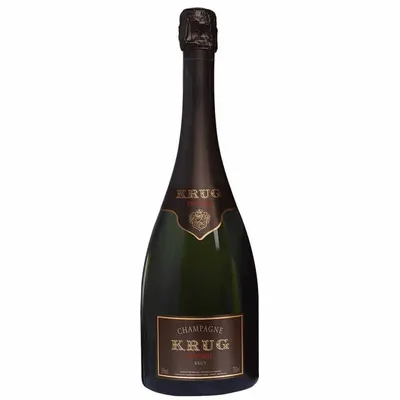
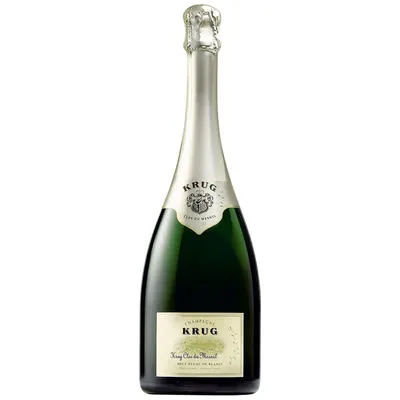
More from Champagne
View all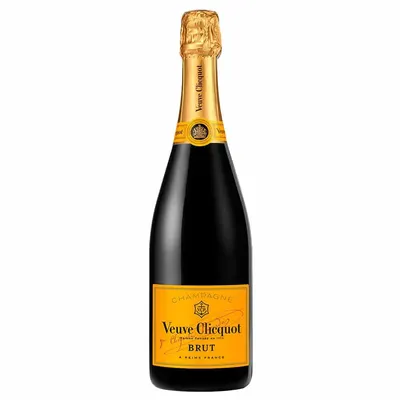
Veuve Clicquot - Ponsardin - Yellow Label - Brut
- NV
- 75cl
- Pinot Meunier, Pinot Noir, Chardonnay
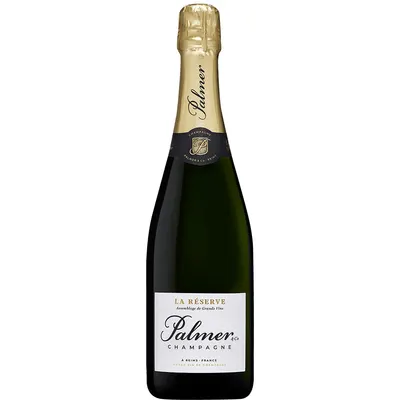
Palmer & Co. Champagne - La Réserve - Brut
- NV
- 75cl
- Chardonnay, Pinot Noir, Pinot Meunier
Behind the bottle
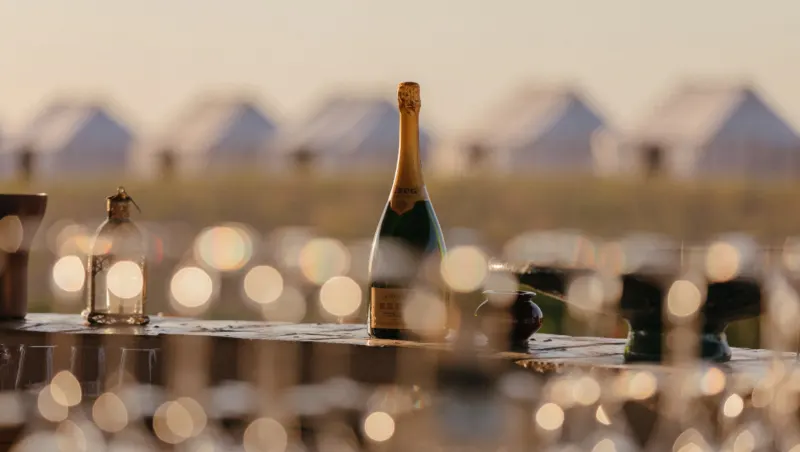
Producer
Krug
Krug is a Champagne house based in Reims, France, producing exclusively sparkling wines within the Champagne appellation. The house operates under the traditional méthode champenoise, crafting their champagnes from the three…
Explore Krug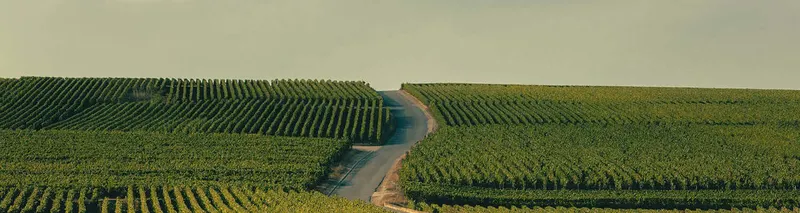
Region
Champagne
In 1668, Dom Pérignon is said to have discovered how to make sparkling wine; today his technique is used the world over, although Champagne continues to make some of the finest. France’s most northerly wine region, Champagne is…
Explore Champagne