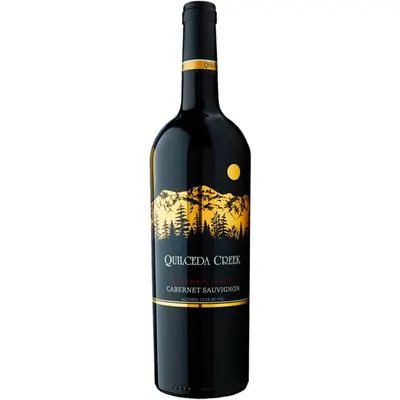
2020 - Quilceda Creek - Cabernet Sauvignon - Columbia Valley - Washington
- 2020
- 75cl
- Cabernet Sauvignon
Sorry, we can only welcome visitors who are 18 or over.
Oops, I entered incorrectly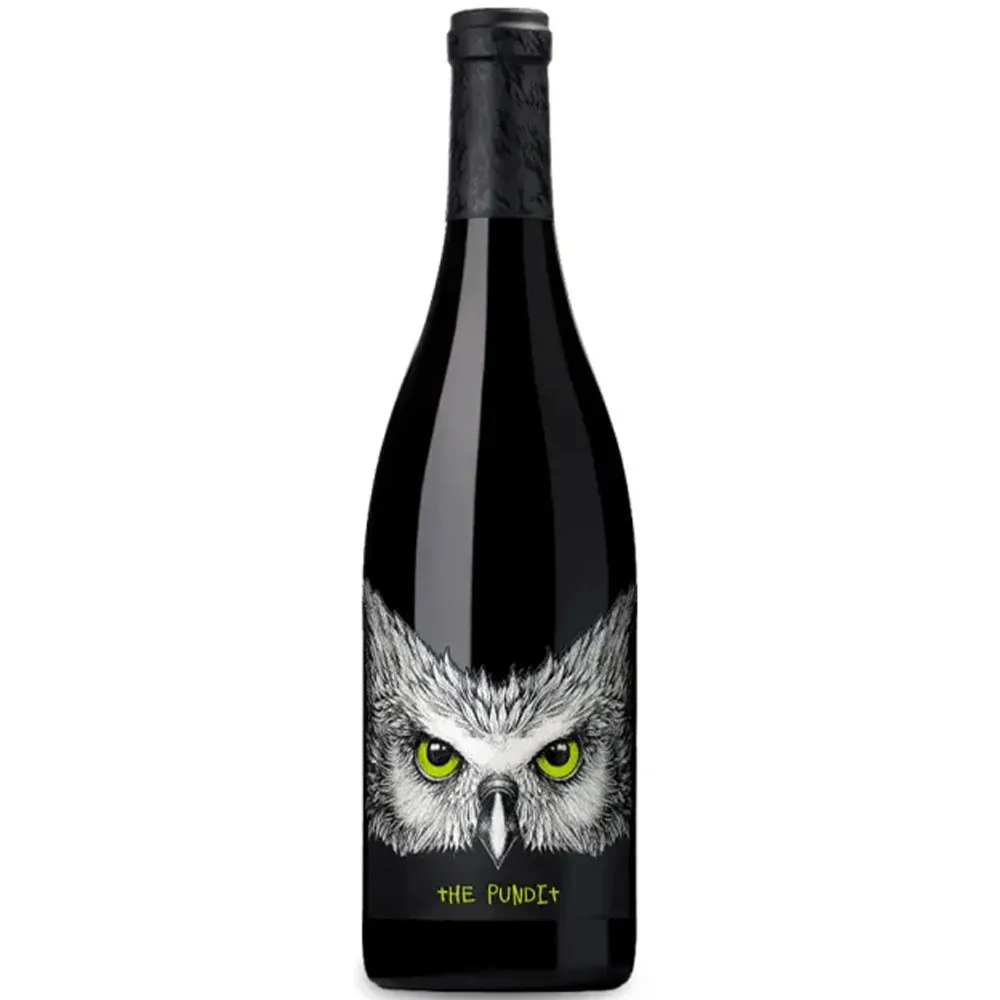
Vintage
Size
Price
€31.20 ex. VAT
In stockIn stock
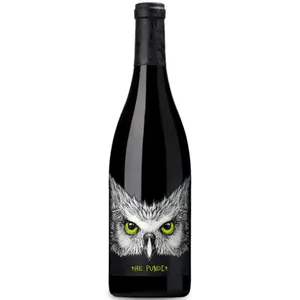
Featuring high-toned florals with a red-fruited frame and spicy nose, the Syrah The Pundit Columbia Valley offers red and black peppercorn notions with hints of dusty red flowers. Medium to full-bodied, the wine is mineral-driven on the palate, with a succulent core of acidity wrapped with fine-grained tannins, and it lingers long with a food-friendly and spicy finish.
Tenet Wines' The Pundit is a distinguished Syrah from Washington's Columbia Valley, one of America's premier wine regions. This full-bodied red captures the essence of the region's warm days and cool nights, delivering a wine with mineral character and subtle spice. At 13.5% ABV with balanced acidity, The Pundit showcases the varietal's natural elegance without excess alcohol, a hallmark of thoughtful winemaking in the Pacific Northwest.
Columbia Valley's diverse terroir produces Syrah wines of remarkable depth and food-friendliness. The Pundit pairs beautifully with grilled meats, lamb, and beef dishes, while its mineral structure complements rich cheeses like Gruyère and Cheddar. Duck, mushrooms, and charcuterie are equally rewarding pairings, making this red an exceptional choice for refined dining and entertaining at your villa or chalet.
Region
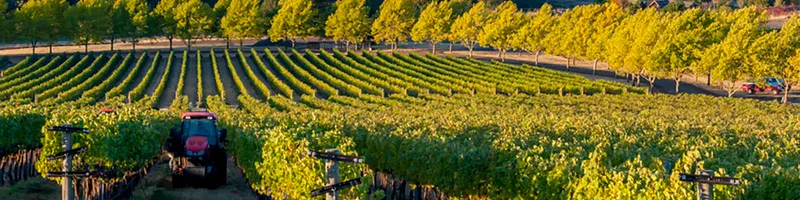
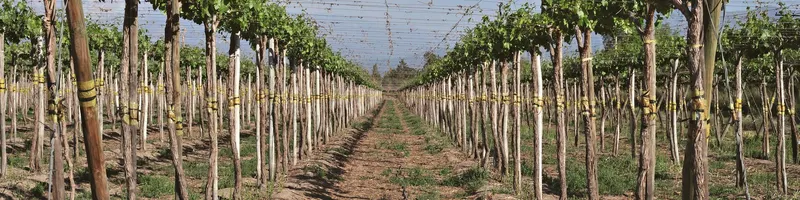
Washington State emerged as a serious wine region in the 1960s and has become the second-largest wine-producing state in America. Located in the Pacific Northwest, the vast majority of Washington's vineyards lie east of the…
Explore WashingtonAppellation
Columbia Valley is a broad appellation spanning much of central Washington State, encompassing approximately 11 million acres between the Cascade Mountains to the west and the Blue Mountains to the east. Established in 1983, it…
Explore Columbia Valley