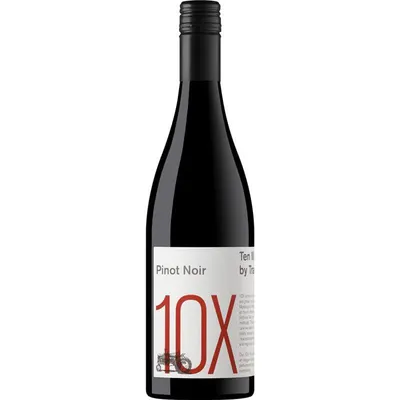
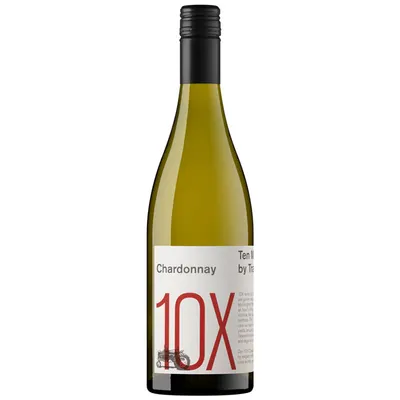
2022 - Ten Minutes by Tractor - 10X - Chardonnay - Mornington Peninsula
- 2022
- 75cl
- Chardonnay
Sorry, we can only welcome visitors who are 18 or over.
Oops, I entered incorrectly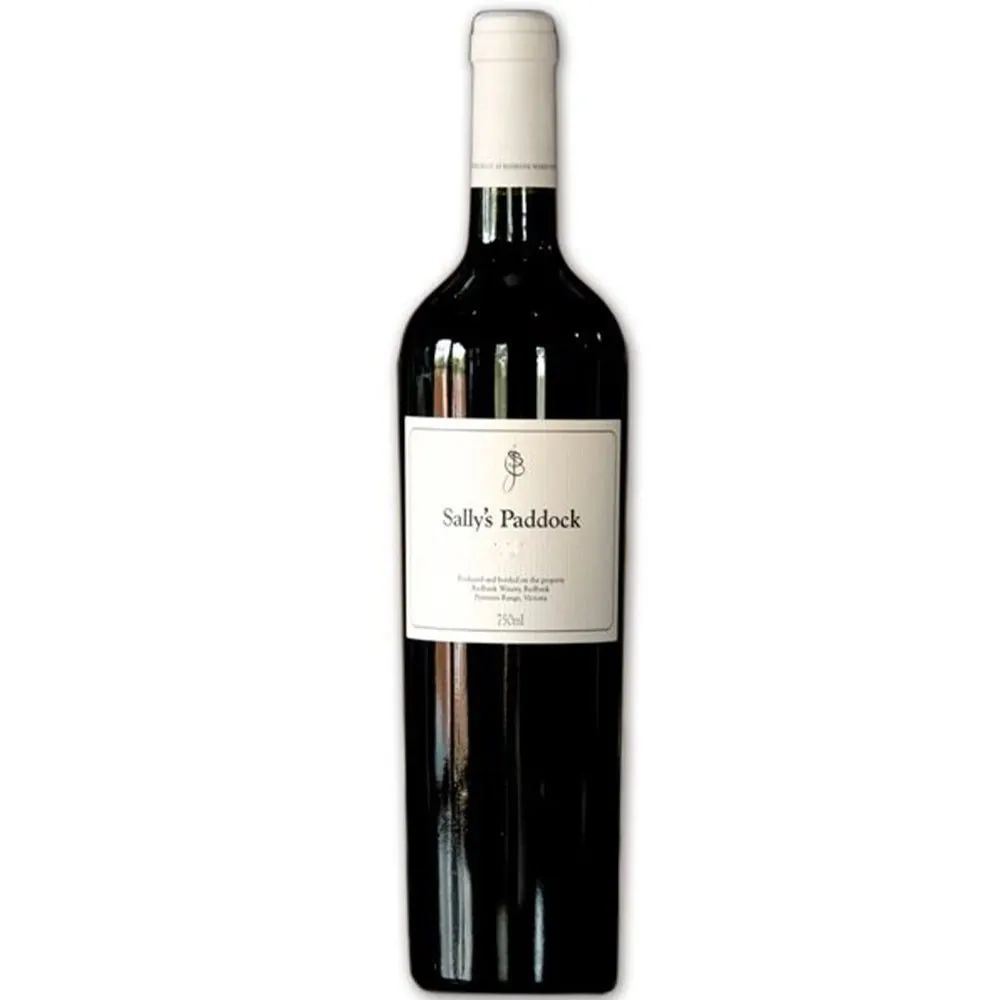
Vintage
Price
€96.00 ex. VAT
In stockIn stock
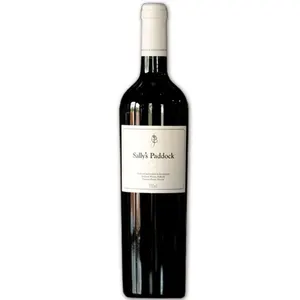
This is the 31st release of the Sally’s Paddock. A lovely deep garnet colour, with aromas of violets, morello cherries, cloves, and a hint of blackberries. Intense and delightful whilst soft, balanced, silky and smooth on the palate showing mouth filling Autumn berry flavours. Married with subtle new American and Nevers Oak, the Sally’s Paddock makes a complete and delicious wine.
Redbank's Sally's Paddock is a distinguished red wine from Victoria, Australia, crafted from a harmonious blend of Cabernet Sauvignon, Merlot, Shiraz, and Cabernet Franc. This thoughtfully composed wine balances the structure of Cabernet varieties with the elegance of Franc and the fruit-forward character of Shiraz, resulting in a medium-bodied expression with soft tannins and a silky texture.
Produced in Victoria's renowned wine region, Sally's Paddock reflects the terroir's ability to ripen premium red varieties while maintaining freshness and balance. The wine displays bright red fruit characteristics with a refined structure that makes it remarkably versatile at the table. At 13.5% ABV, it offers accessible sophistication without heaviness.
This red pairs beautifully with lamb, beef, venison, and game birds, while its balanced profile also complements mushroom-based and tomato-forward dishes. An excellent choice for discerning wine drinkers seeking an elegant Australian red suitable for fine dining, villa gatherings, or cellar collection.
Producer
Sally's Paddock operates from Victoria, Australia, producing red wines that showcase the state's diverse viticultural landscape. Victoria's wine regions benefit from varied climates and soil types, allowing producers to craft…
Explore Sallys PaddockRegion
Victoria is Australia's second-smallest state by area but ranks as the country's second-largest wine producer by volume. Located in the southeastern corner of the continent, Victoria encompasses diverse wine regions that stretch…
Explore Victoria