
- Robert Parker (RP) points
- Vinous points
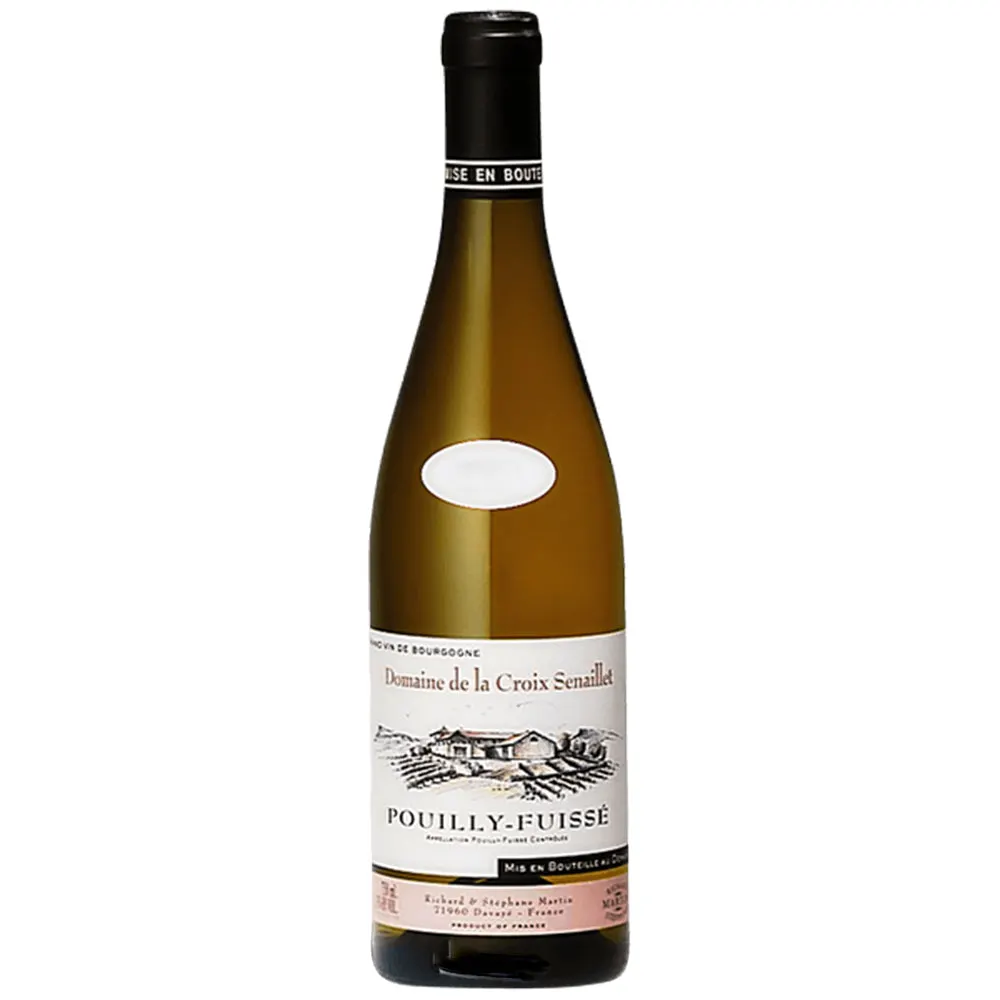
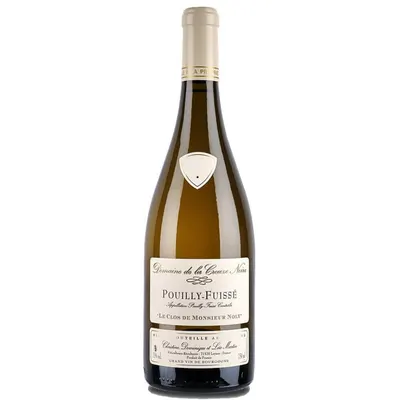
Domaine de la Croix Senaillet - Pouilly-Fuissé
Vintage
2023
Size
75 cl
Price
€39.60 ex. VAT
In stockIn stock
- Organic
Tasting notes
A floral and exotic nose with hints of hazelnut. A touch of honeysuckle and hints of vanilla . The palate is clean and fresh with a lovely vinous structure . A well-balanced wine with a long finish .
More information
Provenance
- Type
- White
- Producer
- Domaine de la Croix Senaillet
- Country
- France
- Appellation
- Pouilly-Fuissé
- Region
- Burgundy
Technical
- Vintage
- 2023
- Grapes
- Chardonnay
- ABV
- 12.5%
- Size
- 75cl
- Ageing
- Serving
- 11° - 13° C
- Drinking window
Food pairings
Key characteristics
About this wine
Domaine de la Croix Senaillet crafts elegant white wines from the heart of Burgundy's most prestigious appellations. This Pouilly-Fuissé expresses the pure character of Chardonnay grown in this limestone-rich terroir, where centuries of winemaking tradition meet meticulous biodynamic farming practices. The result is a light-bodied wine of refined complexity, balancing delicate fruit with subtle minerality.
The Pouilly-Fuissé appellation, located in the southern Burgundy region, is celebrated for producing some of France's finest unoaked and lightly-aged white wines. Domaine de la Croix Senaillet's commitment to sustainable viticulture ensures that each vintage reflects the authentic expression of the vineyard. At 12.5% ABV, this Chardonnay offers finesse and food-friendly versatility.
This white wine pairs beautifully with shellfish, crab, lobster, and fresh sushi, as well as delicate poultry dishes, brie, and green vegetables. Whether for an elegant aperitif or fine dining occasion, this Pouilly-Fuissé delivers the sophistication expected from a serious Burgundy producer.
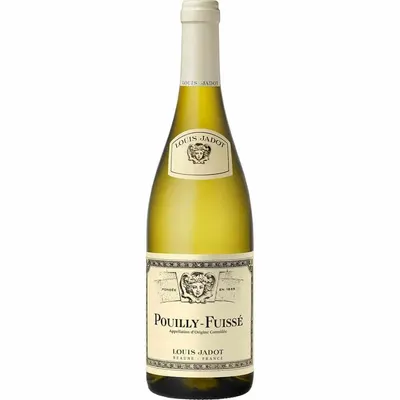
More from Pouilly-Fuissé
View all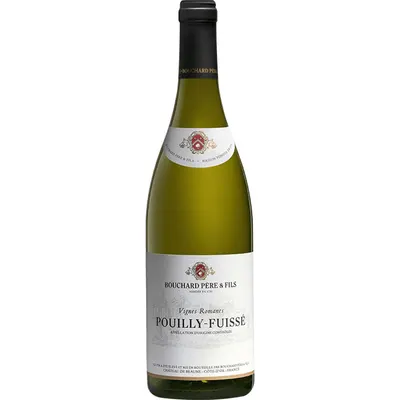
Behind the bottle

Region
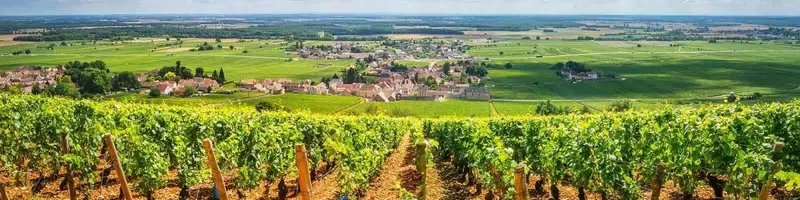
Burgundy
The French Wine region of Burgundy (aka “Bourgogne”) may be small in size, but its influence is huge in the world of vino. The complexity of Burgundy can cast fear into the heart of even a seasoned wine pro, but fear not, the…
Explore Burgundy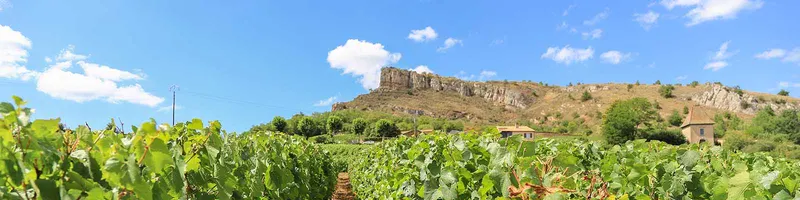
Appellation
Pouilly-Fuissé
Pouilly-Fuissé is an appellation d'origine contrôlée located in the Mâconnais district of southern Burgundy, France. The appellation encompasses four communes: Chaintré, Fuissé, Solutré-Pouilly, and Vergisson. The vineyards are…
Explore Pouilly-Fuissé