
- Robert Parker (RP) points
- Vinous points
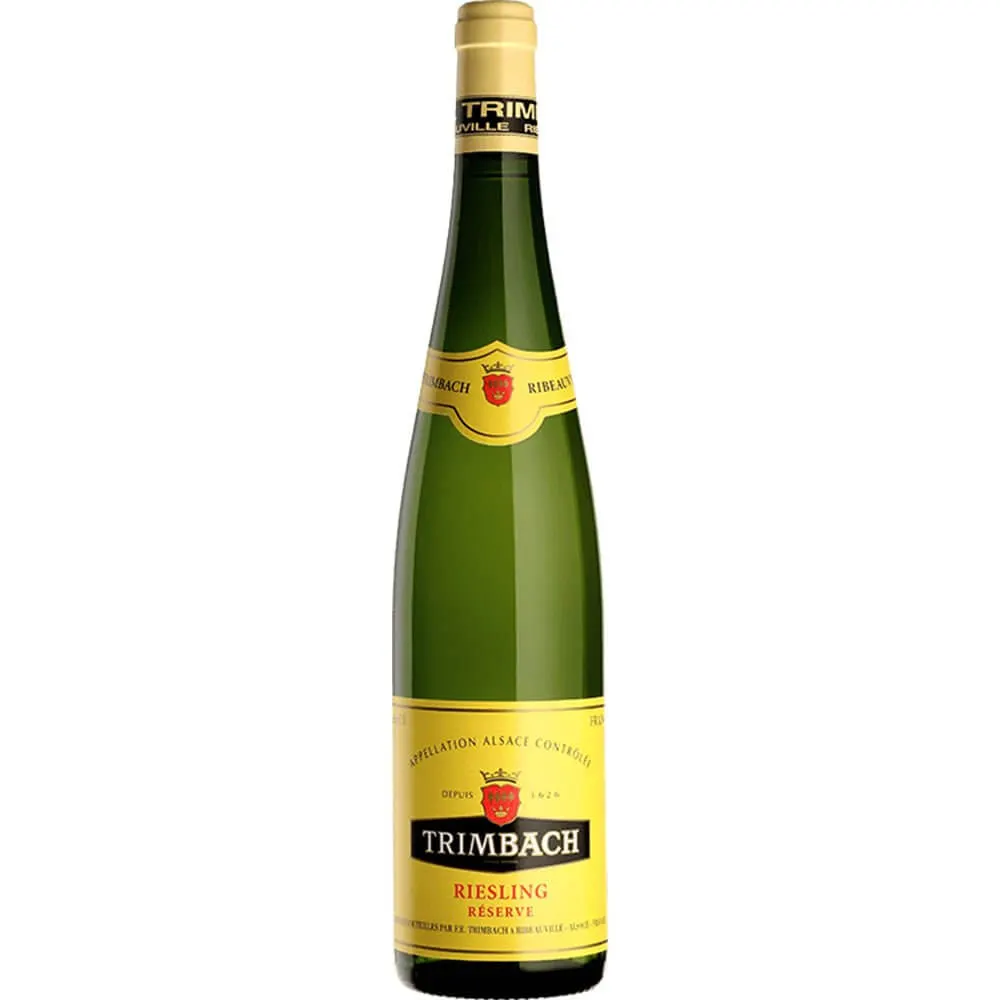
Maison Trimbach - Riesling Reserve
Price
€31.20 ex. VAT
In stockIn stock
Tasting notes
Alsace Riesling with a nose of green apple, lime zest and white blossom. The palate is dry and taut, driven by bright acidity and a mineral core. Finishes crisp and long, ideal alongside shellfish or goat cheese.
More information
About this wine
Experience the elegance and freshness of Maison Trimbach - Riesling Reserve, a masterpiece from Maison Trimbach. This distinguished white wine is celebrated for its crisp acidity and vibrant flavors, ranging from citrus fruits to delicate floral notes. A delightful choice for seafood dinners or as a refreshing aperitif.
More from Maison Trimbach
View all
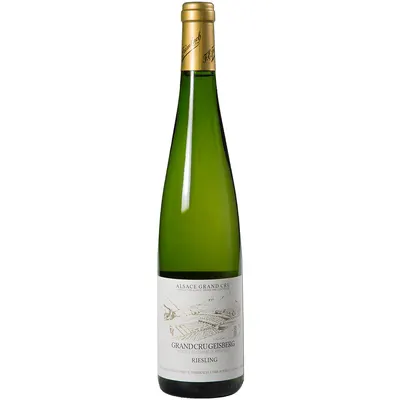
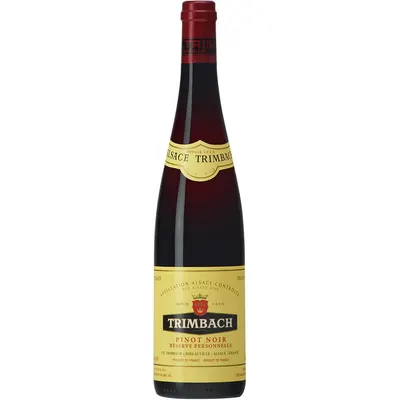
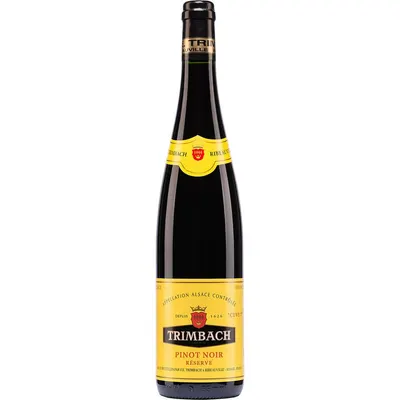
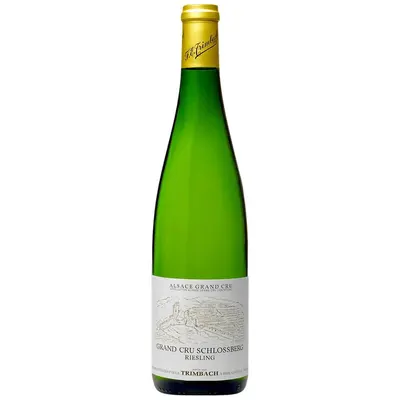
More from Alsace
View all
- Kosher
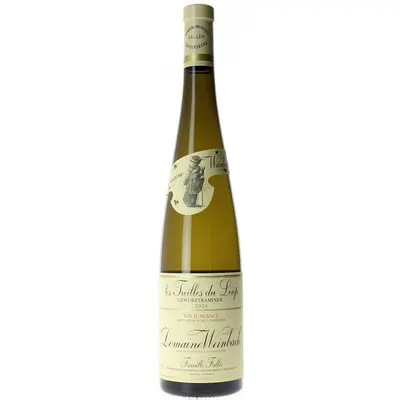
Half bottle
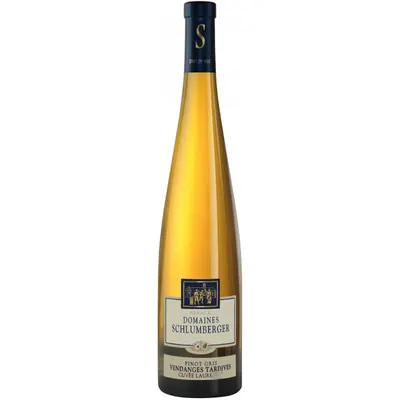
Behind the bottle
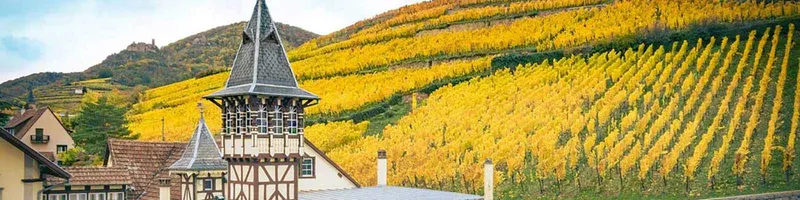
Producer
Maison Trimbach
Maison Trimbach is a family-owned winery based in Ribeauvillé, Alsace, France. The domaine has been producing wines in Alsace for multiple generations, focusing primarily on the region's signature white varietals along with…
Explore Maison Trimbach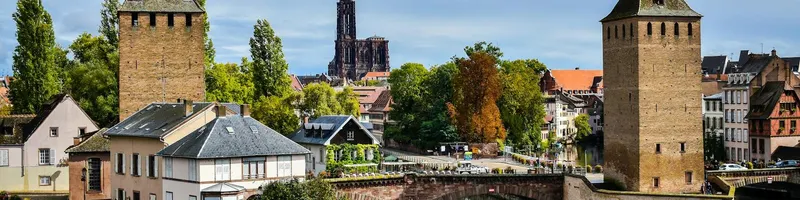
Region
Alsace
Alsace stretches along France's eastern border with Germany, forming a narrow strip between the Vosges Mountains and the Rhine River. This unique geographical position has shaped both the region's winemaking traditions and its…
Explore Alsace