Maltroye - Santenay - La Comme - 1er Cru

Maltroye - Santenay - La Comme - 1er Cru

Maltroye - Santenay - La Comme - 1er Cru

Vintage
Size
Regular price 2.551,00 Kč
POA/
  • In stock
  • Inventory on the way
Tax included. Shipping calculated at checkout.

Tasting Notes

Loading tasting notes…

More information

Provenance
Type
Country
Appellation
Producer
Style
Premier Cru
Technical
Grapes
Serving
14 - 16°C
Food Pairings
BeefVenisonGame BirdsDuckPoultry
Key Characteristics
Medium-bodiedDry

Behind the bottle

Burgundy - Onshore Cellars

Burgundy

The French Wine region of Burgundy (aka “Bourgogne”) may be small in size, but its influence is huge in the world of vino. The complexity of Burgundy...

The French Wine region of Burgundy (aka “Bourgogne”) may be small in size, but its influence is huge in the world of vino. The complexity of Burgundy can cast fear into the heart of even a seasoned wine pro, but fear not – the region need only be as complicated as you want it to be. Yes, it is home to some of the most expensive wines in the known universe, but there are also tasty and affordable wines.

Main grapes:

Pinot Noir originated in Burgundy and these vines cover 34% of the region, accounting for 29% of overall wine production. The red grape does extremely well in limestone and clay soil, which helps create their complexity. Pinot Noir wines from Burgundy range in colour from cherry to brick, are light in body, and typically have red fruit and spicy flavours. Gamay is a red grape also grown in Burgundy, but only makes up 10% of the vines.

Chardonnay is the primary grape for white wines in Burgundy, making up 48% of the vines and 68% of production. Chardonnay appreciates Burgundy’s marl soil, which gives it delicate floral, fruit, and mineral aromas and full-bodied flavours. Aligoté is the second white grape, accounting for 6% grown. {Read more about the ancient Aligoté grape in Burgundy.}

The region does produce a sparkling wine called Crémant de Bourgogne. It can be made from Chardonnay, Pinot Noir, Pinot Gris, Aligoté, Gamay, Sacy, and Melon. Varieties include blanc, blanc de blancs, blanc de noirs, and rosé.

Explore Burgundy
Santenay

Santenay

Santenay is a wine appellation located in the southern Côte de Beaune subregion of Burgundy, France. The commune sits at the southernmost tip of the Côte d'Or, positioned...

Santenay is a wine appellation located in the southern Côte de Beaune subregion of Burgundy, France. The commune sits at the southernmost tip of the Côte d'Or, positioned between Chassagne-Montrachet to the north and the Côte Chalonnaise to the south. The appellation includes both village-level and premier cru vineyard classifications, with premier cru sites located primarily on the hillsides with eastern and southeastern exposures.

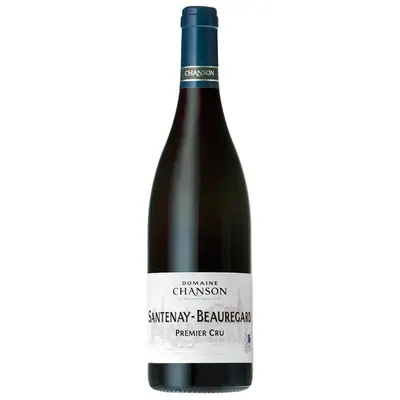
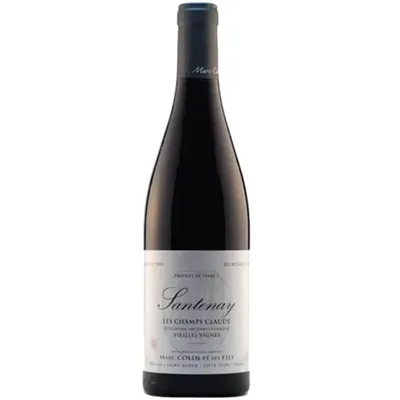
The vineyards of Santenay are planted predominantly on limestone and clay soils typical of the Côte d'Or, with variations in soil composition contributing to differences between individual vineyard sites. The climate follows the continental pattern of Burgundy, with warm summers and cold winters. While both red and white wines are produced under the Santenay appellation, Pinot Noir dominates the plantings and represents the majority of production. The premier cru vineyards, including sites like Beauregard and Les Champs Claude, are considered among the appellation's finest terroirs.

Santenay red wines are typically characterized by their approachable style compared to their more northerly Côte de Beaune neighbors. The wines generally display bright red fruit flavors with moderate tannins and good acidity, often showing earthy undertones that reflect the limestone-rich soils. Premier cru bottlings tend to offer greater concentration and aging potential, with more structured tannins and complex mineral characteristics developing with time in bottle.

Read more