
- Robert Parker (RP) points
- Vinous points
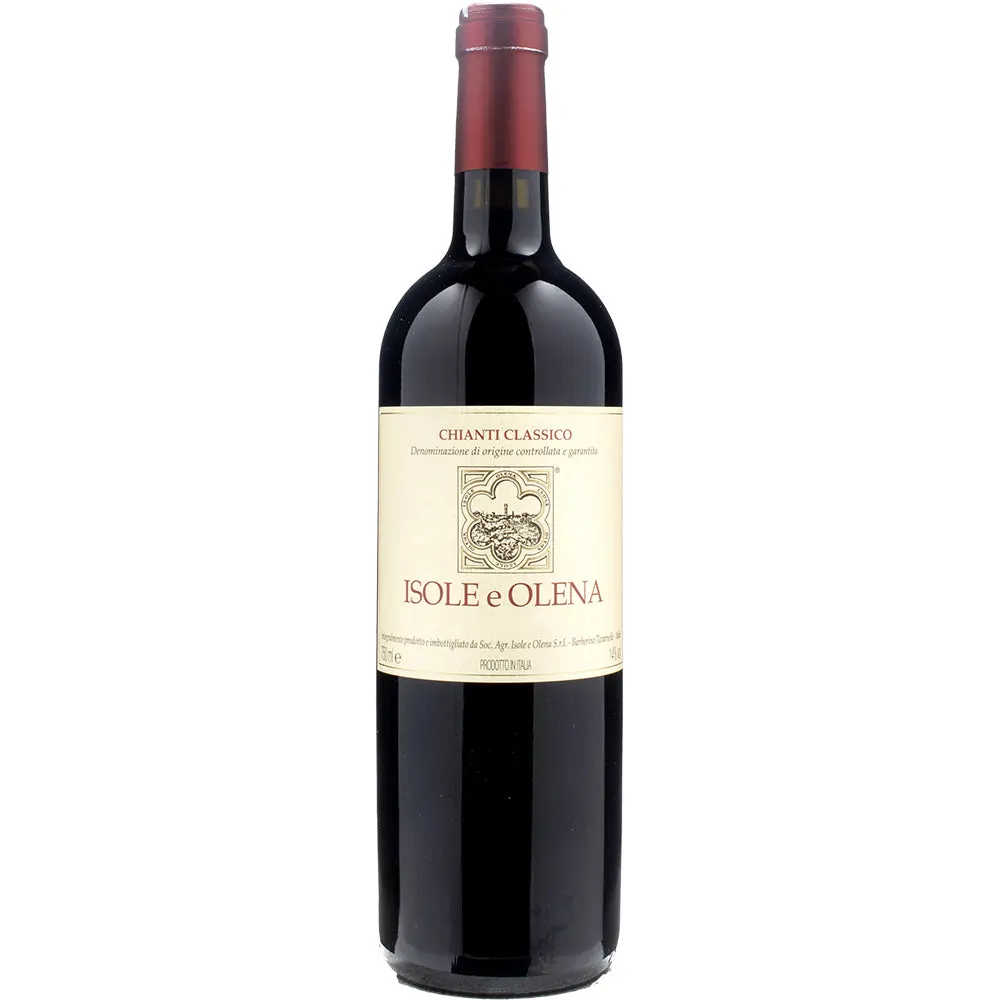
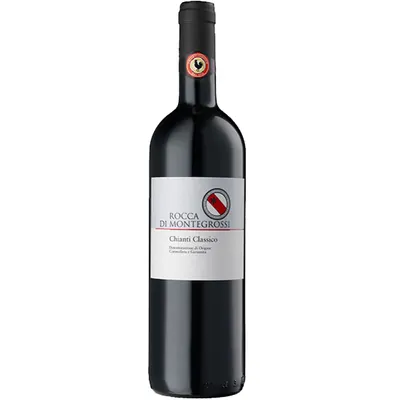
Isole e Olena - Chianti Classico DOCG
Vintage
2021
Size
75 cl
Price
€36.00 ex. VAT
In stockIn stock
Tasting notes
The wine has clean, juicy, soft fruit flavours with hints of red berries, rhubarb, cherries, hints of anise, cola, liquorice, sage, complemented by subtle hints of wood smoke and the earth, the bright notes of red plums, crisp acidity and excellent balance.
More information
Provenance
- Type
- Red
- Producer
- Isole e Olena
- Country
- Italy
- Appellation
- Chianti Classico DOCG
- Region
- Tuscany
Technical
- Vintage
- 2021
- Grapes
- Sangiovese
- ABV
- 14.5%
- Size
- 75cl
- Ageing
- Serving
- 16° - 18° C
- Drinking window
Food pairings
Key characteristics
About this wine
Isole e Olena is a prestigious estate in the heart of Tuscany's Chianti Classico DOCG region, renowned for producing wines that exemplify the elegance and complexity of Sangiovese. The estate's commitment to traditional winemaking combined with meticulous vineyard management has established it as a benchmark producer in one of Italy's most celebrated appellations.
This Chianti Classico is crafted from Sangiovese, the noble grape variety that defines the region. The wine balances full-bodied structure with refined character, offering earthy undertones and crisp acidity that reflect the terroir of Tuscany's rolling hills. At 14.5% ABV, it delivers a warming, well-integrated profile suitable for discerning collectors and fine dining applications.
The versatility of this red wine makes it an excellent choice for sophisticated entertaining. Pair it with lamb, venison, duck, and game birds, or complement aged and hard cheeses. It also pairs beautifully with mushroom-based dishes, truffle preparations, tomato-based sauces, and grilled vegetables, making it a natural companion for both rustic and refined cuisine.
More from Isole e Olena
View all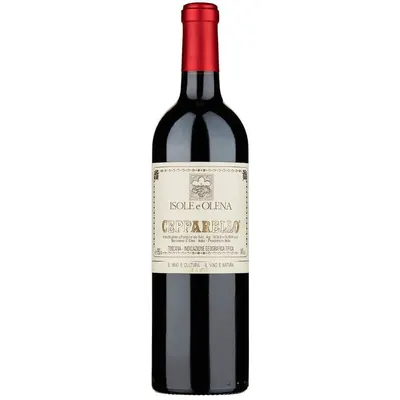
More from Chianti Classico DOCG
View all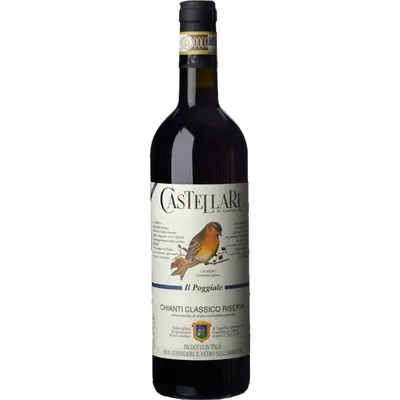
2024 - Castellare di Castellina - Chianti Classico DOCG
- 2024
- 75cl
- Cinsault, Corvina, Grenache
2022 - Marchesi Antinori - Chianti Classico - Riserva
- 2022
- 75cl
- Cabernet Sauvignon, Sangiovese
Behind the bottle
Producer
Isole e Olena
Isole e Olena is a Tuscan wine estate located in the Chianti Classico region, operating from vineyards situated between the communes of Barberino Val d'Elsa and San Donato in Poggio. The estate produces exclusively red wines…
Explore Isole e Olena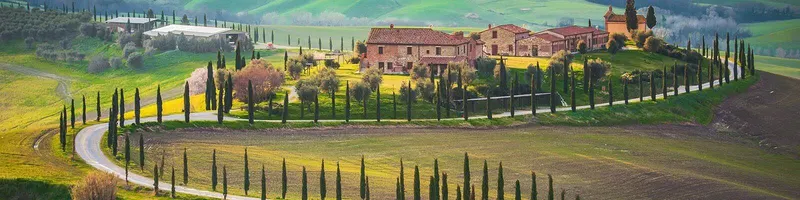
Region
Tuscany
Italy's most ancient wine region, Tuscany may not be a heavyweight in terms of quantity, but as the home of two of the country's most famous fine wines, Chianti and Brunello di Montalcino, it certainly holds its own in terms…
Explore Tuscany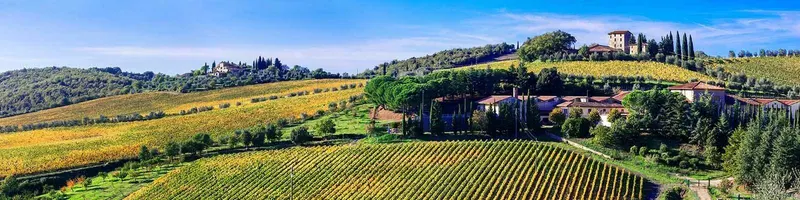
Appellation
Chianti Classico DOCG
Chianti Classico DOCG occupies the historical heartland of Chianti in Tuscany, Italy, spanning the hills between Florence and Siena. This zone was formally defined in 1716 by Cosimo III de' Medici and received DOCG status in…
Explore Chianti Classico DOCG