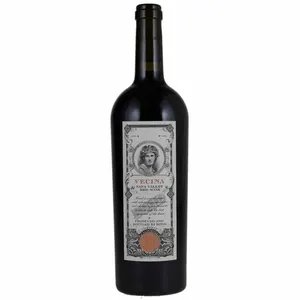
Bond Estates - Vecina Red

99 RP Points
97 RP Points
100 RP Points
98 RP Points
100 RP Points
Bond Estates - Vecina Red - 2018 - 75cl - Onshore Cellars

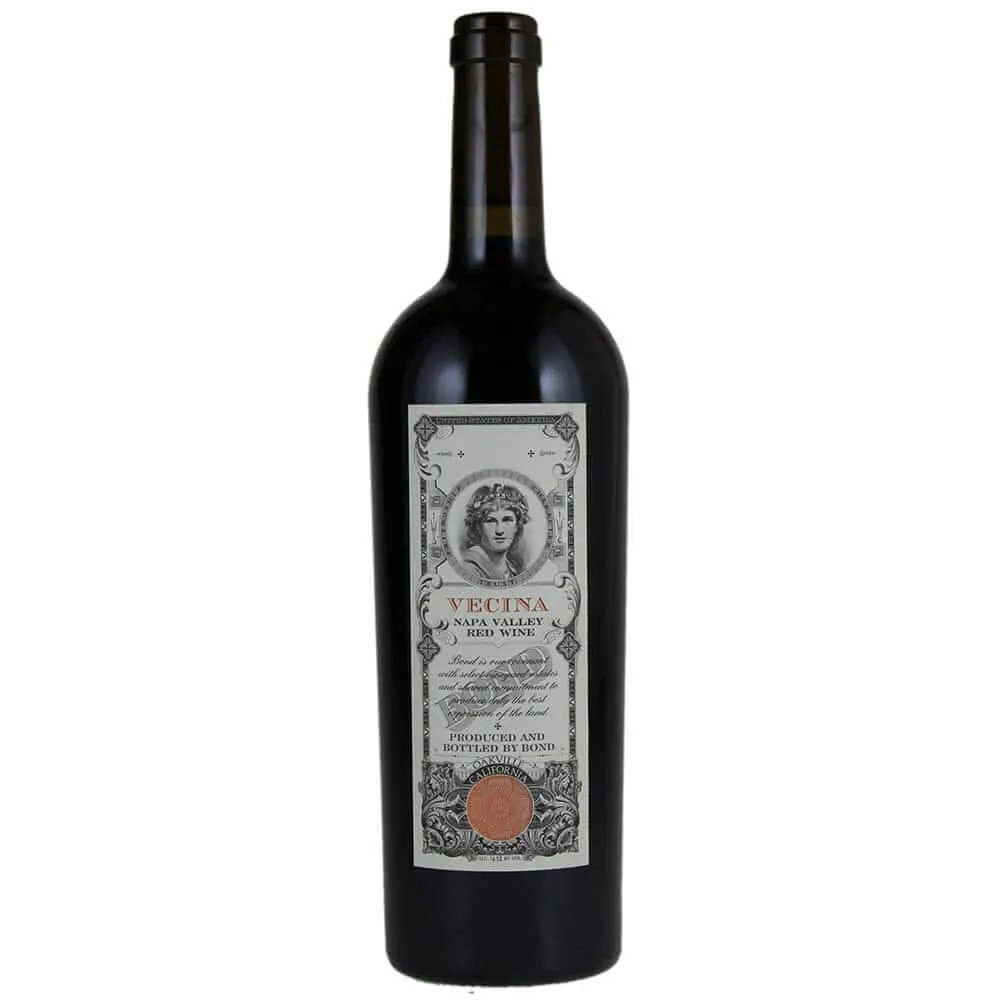
Bond Estates - Vecina Red

Vintage
Size
Regular price €1,029.35
Price on application/
  • In stock
  • Inventory on the way
Tax included. Shipping calculated at checkout.

Tasting Notes

Loading tasting notes…

Loading tasting notes…

Loading tasting notes…

Loading tasting notes…

Loading tasting notes…

More information

Provenance
Type
Red
Country
Appellation
Producer
Technical
ABV
13%
Serving
16° - 18° C
Food Pairings
BeefLambVenisonGame BirdsCharcuterie and Cured MeatsBlue Cheese
Key Characteristics
["Full-bodied""Black fruit""Earthy""Medium alcohol""Medium acidity""Dry"]

Behind the bottle

Bond Estates

Bond Estates

Bond Estates is a renowned wine producer located in the heart of the Napa Valley in California. The estate was founded in 1996 by Bill Harlan, a visionary...

Bond Estates is a renowned wine producer located in the heart of the Napa Valley in California. The estate was founded in 1996 by Bill Harlan, a visionary entrepreneur who had a passion for creating world-class wines. Bond Estates is known for producing some of the finest Cabernet Sauvignon wines in the world, which are highly sought after by wine enthusiasts and collectors alike.

The vineyards at Bond Estates are situated on the hillsides of the Mayacamas Mountains, which provide the perfect terroir for growing Cabernet Sauvignon grapes. The vineyards are meticulously tended to by a team of expert viticulturists, who use sustainable farming practices to ensure the health and vitality of the vines. The grapes are hand-picked at optimal ripeness and carefully sorted to ensure only the best fruit is used in the winemaking process.

The winemaking process at Bond Estates is a combination of traditional and modern techniques. The grapes are fermented in small batches using native yeasts, which allows for the unique characteristics of each vineyard block to shine through in the final wine. The wines are aged in French oak barrels for up to two years, which adds complexity and depth to the finished product.

Bond Estates produces several different Cabernet Sauvignon wines, each with its own unique style and character. The flagship wine, the Bond St. Eden, is a powerful and complex wine with aromas of blackberry, cassis, and dark chocolate. The Bond Quella is a more elegant and refined wine, with notes of black cherry, tobacco, and leather. The Bond Melbury is a rich and full-bodied wine, with flavors of blackcurrant, vanilla, and spice.

Bond Estates has received numerous accolades and awards for its wines, including a perfect 100-point score from wine critic Robert Parker for the 2016 Bond St. Eden. The wines are highly sought after by collectors and can command prices of several hundred dollars per bottle.

In conclusion, Bond Estates is a world-class wine producer that is known for its exceptional Cabernet Sauvignon wines. The estate's commitment to sustainable farming practices and meticulous winemaking techniques have resulted in wines that are highly sought after by wine enthusiasts and collectors around the world.

Bond Estates
California - Onshore Cellars

California

California spans nearly 800 miles along the Pacific Coast and ranks as the fourth-largest wine producing region globally by volume. The state's diverse geography encompasses coastal valleys, inland...

California spans nearly 800 miles along the Pacific Coast and ranks as the fourth-largest wine producing region globally by volume. The state's diverse geography encompasses coastal valleys, inland mountains, and desert areas, with vineyards extending from Mendocino County in the north to San Diego County in the south. Wine production began during the Spanish mission period in the late 18th century, though the modern California wine industry emerged following the repeal of Prohibition in 1933.

The Pacific Ocean's maritime influence creates distinct microclimates throughout California's wine regions, with coastal areas experiencing cooling fog and inland valleys subject to greater temperature variation. Napa Valley and Sonoma County represent the state's most recognized appellations, while emerging regions like Santa Barbara County and Paso Robles contribute to California's viticultural diversity. Soil types range from volcanic ash in Napa Valley to limestone-rich soils in parts of Paso Robles, providing varied terroir expressions across appellations.

Cabernet Sauvignon dominates red wine production, particularly in Napa Valley, while Chardonnay leads white varieties with notable expressions from cool-climate regions like Russian River Valley and Carneros. Pinot Noir thrives in coastal appellations including Sonoma Coast and Santa Barbara County, benefiting from marine influence and longer growing seasons. California's Mediterranean climate allows for extended hang time, typically producing wines with ripe fruit characteristics and higher alcohol levels compared to European counterparts.

Explore California
Our collection of Napa Valley - Find this at Onshore Cellars your yacht wine supplier

Napa Valley

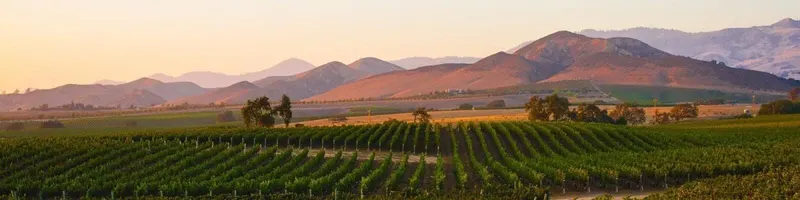
Napa Valley is California's most famous wine region, located north of San Francisco Bay between the Mayacamas and Vaca mountain ranges. The appellation stretches approximately 30 miles from...

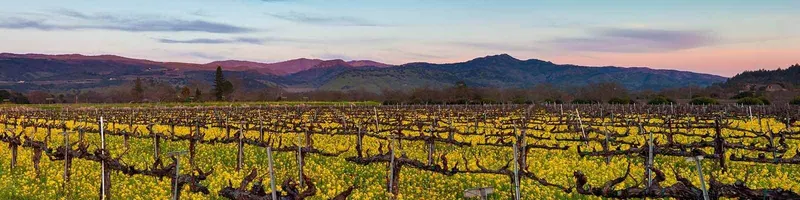
Napa Valley is California's most famous wine region, located north of San Francisco Bay between the Mayacamas and Vaca mountain ranges. The appellation stretches approximately 30 miles from San Pablo Bay in the south to Calistoga in the north, encompassing about 45,000 acres of vineyards. Established as an American Viticultural Area in 1981, the valley contains numerous sub-appellations that reflect distinct microclimates and soil compositions along its length.

The region benefits from a Mediterranean climate with warm, dry summers and mild, wet winters. Morning fog from San Pablo Bay provides natural cooling, particularly important for the southern portions of the valley. Soils vary considerably, ranging from volcanic ash and rock in the north to clay and sedimentary deposits in the south. While over 30 grape varieties are grown, Cabernet Sauvignon dominates plantings, followed by Chardonnay, Merlot, and Pinot Noir. The valley also produces notable Sauvignon Blanc and increasingly successful Syrah.

Napa Valley wines are characterized by their power and concentration, particularly the Cabernet Sauvignon-based reds that have established the region's reputation. These wines typically display rich dark fruit flavors, firm tannins, and the ability to age gracefully. Chardonnays from the valley tend to be full-bodied with tropical fruit characteristics, often enhanced by oak aging. The combination of consistent climate, diverse terroir, and meticulous winemaking has produced wines that compete with the world's finest, establishing Napa Valley as America's premier wine region.

Read more