

Inside Our Allocation Network: How We Source Rare Wines
"Can you get it?" is the question our phone exists to answer. A 1982 left-bank for a 40th birthday. The Champagne a couple drank at their wedding, in magnum, for their tenth anniversary. A Screaming Eagle for an owner's dinner, dockside, by Friday. Here is how the hunt actually works.
Where rare wine lives
There is no single warehouse of rare wine — there are four hunting grounds, tried in order:
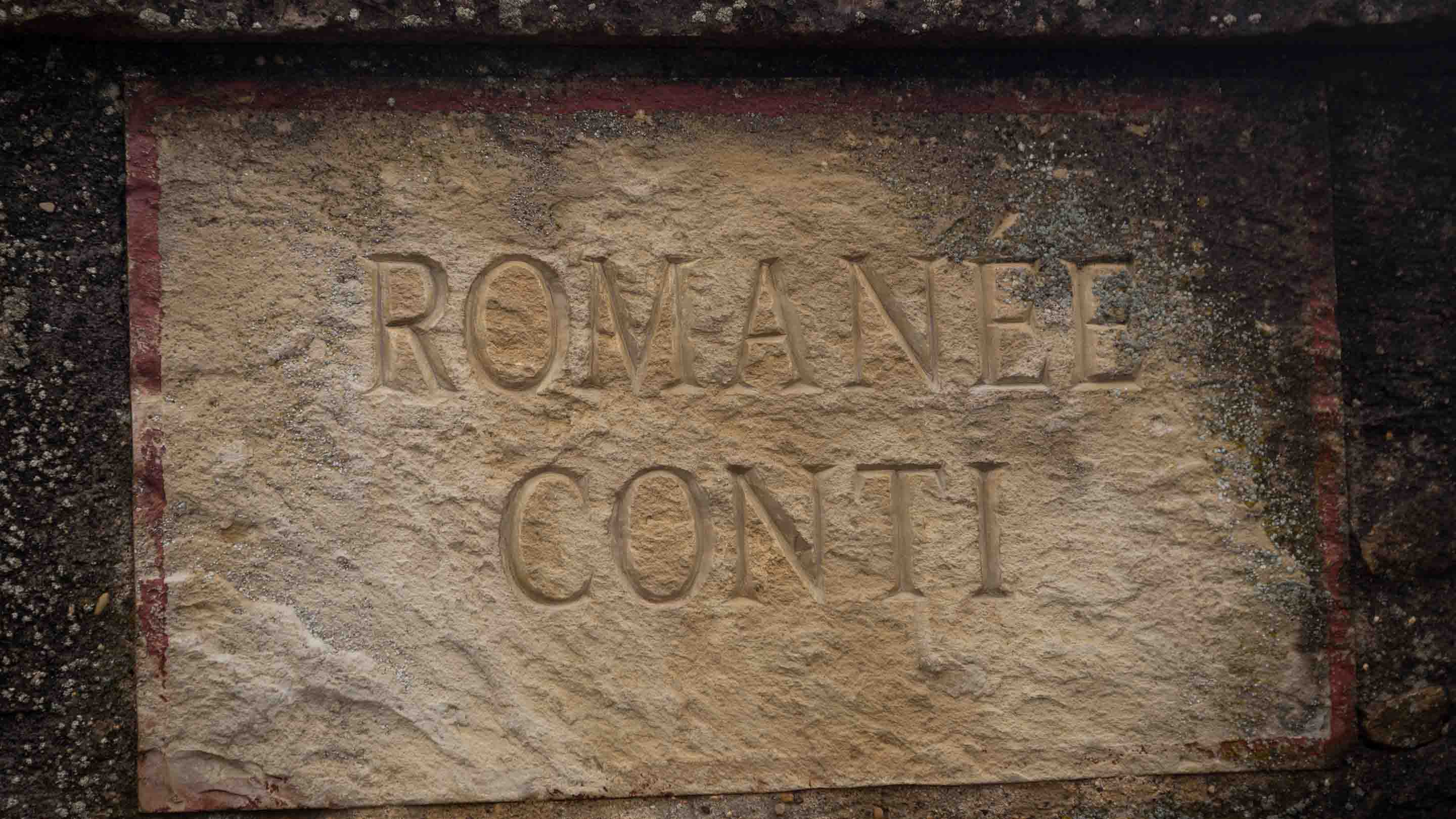
- Producer libraries. Domaines and châteaux keep back-vintage stock, released quietly to partners who buy every year. This is the best provenance on earth — the wine never left the property — and the reason long relationships beat one-off cheques.
- Négociants. The Bordeaux and Burgundy trade holds deep stock, professionally stored. Most "impossible" wines under twenty years old surface here within days.
- Brokers. London, Geneva, Hong Kong — the secondary market's connective tissue. Fast and wide, but this is where condition-checking stops being polite and starts being forensic.
- Private cellars. Collections being sold — like the ones we buy ourselves. Occasionally the only source for truly old bottles, and always the ones needing the hardest look.
The verification gauntlet
Every rare bottle we offer has passed the same checks: fill level appropriate to age, capsule clean and unspun, label consistent with the claimed storage, and a storage history that answers the only question that matters — where has this been every summer since release? We reject more bottles than we buy. A bargain with vague provenance is not a bargain; it is a stewed disappointment with a famous name. More on that in our provenance guide.
What a good brief looks like
Four lines: producer and cuvée (exactly — "Comtes de Champagne" not "a good Taittinger"), vintages you'd accept (flexibility is speed), format, and budget ceiling. Add the occasion and the deadline. With that we give a first answer within one working day; in-network wines confirm in about 48 hours, true unicorns take weeks with updates as we go.
When the answer is no
Sometimes the wine no longer exists in drinkable condition. Sometimes the price only makes sense to someone buying a label rather than a liquid. We say so — and propose the bottle we would drink instead. Yacht owners have trusted that honesty for a decade; it is the entire basis of the sourcing service.

